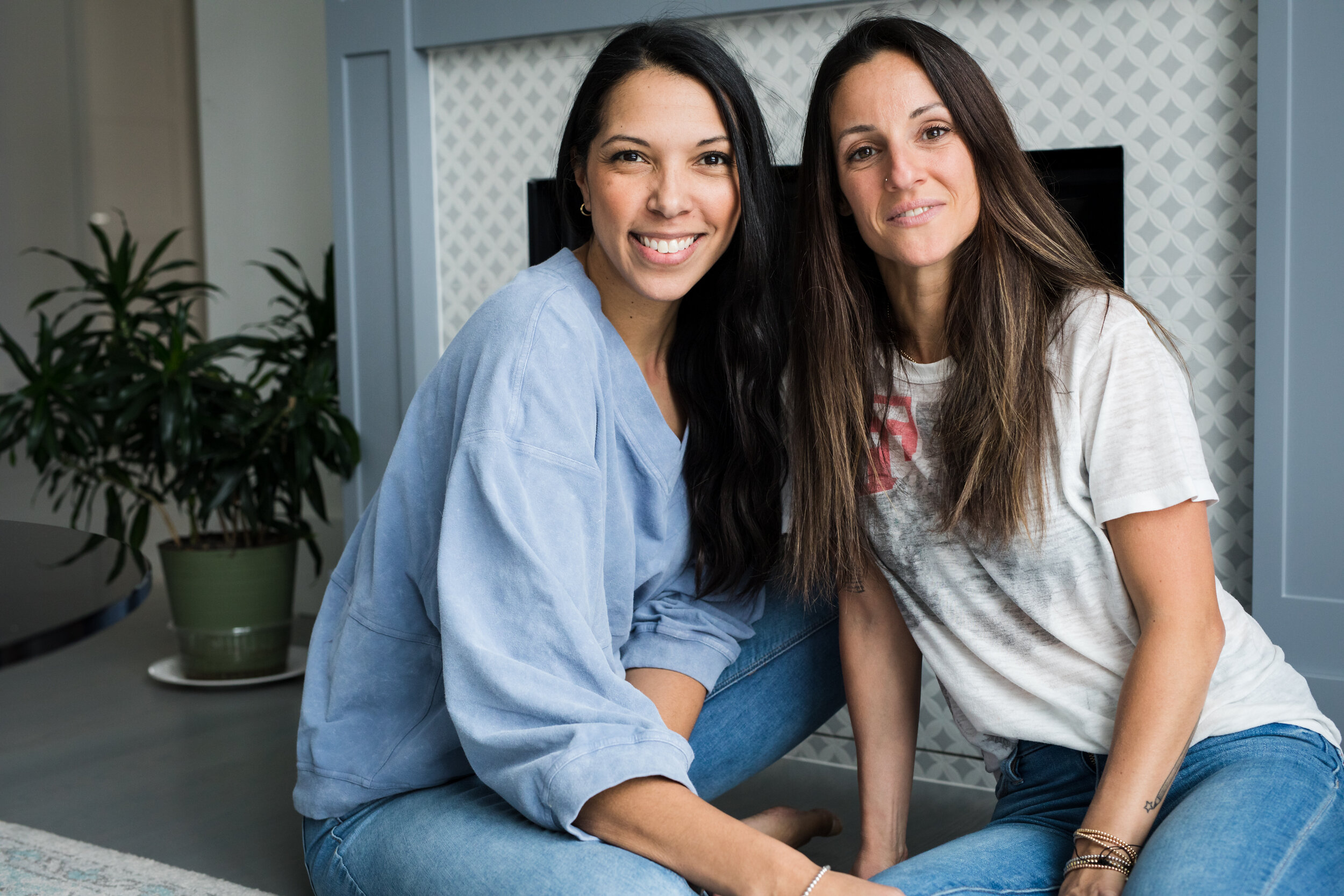
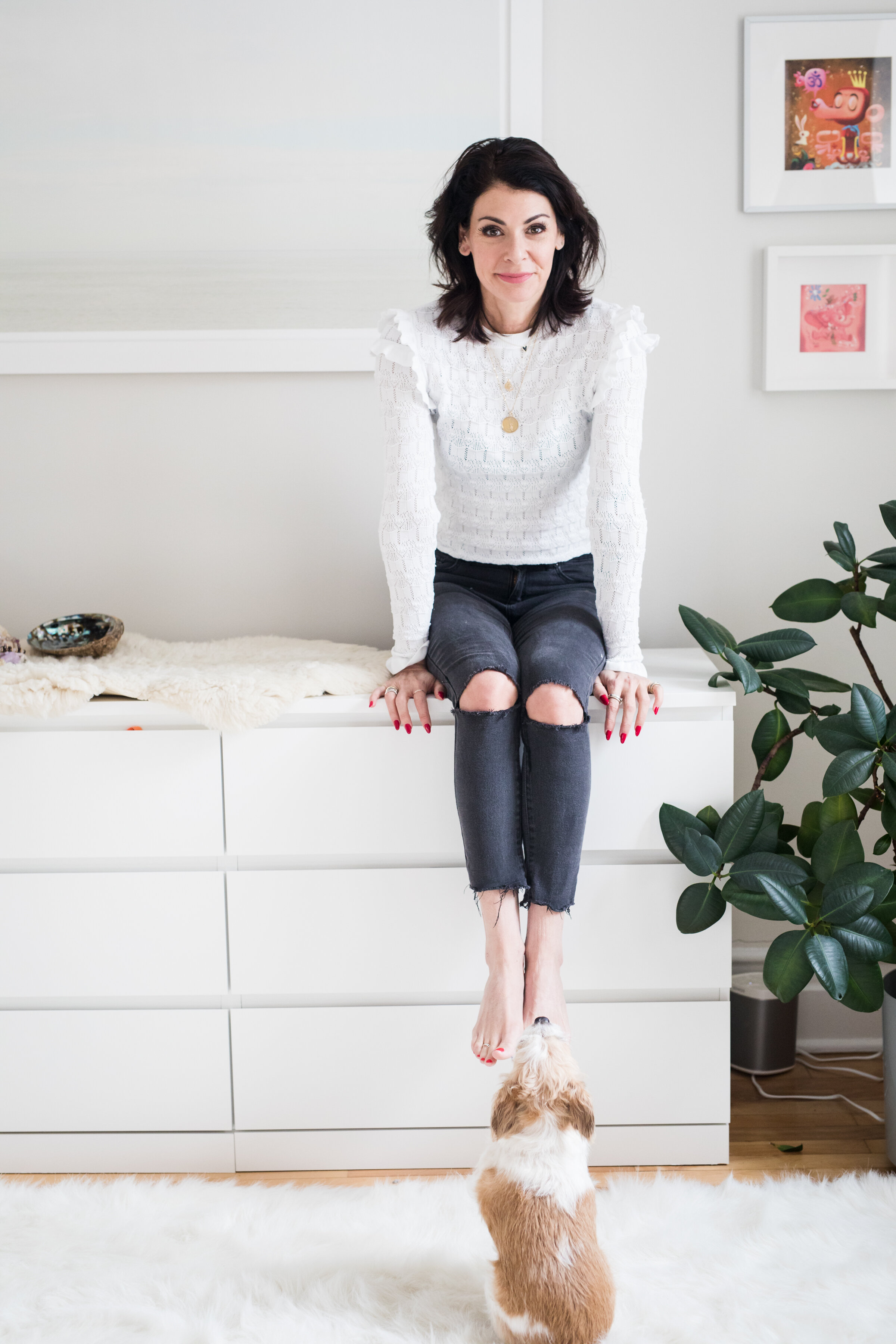
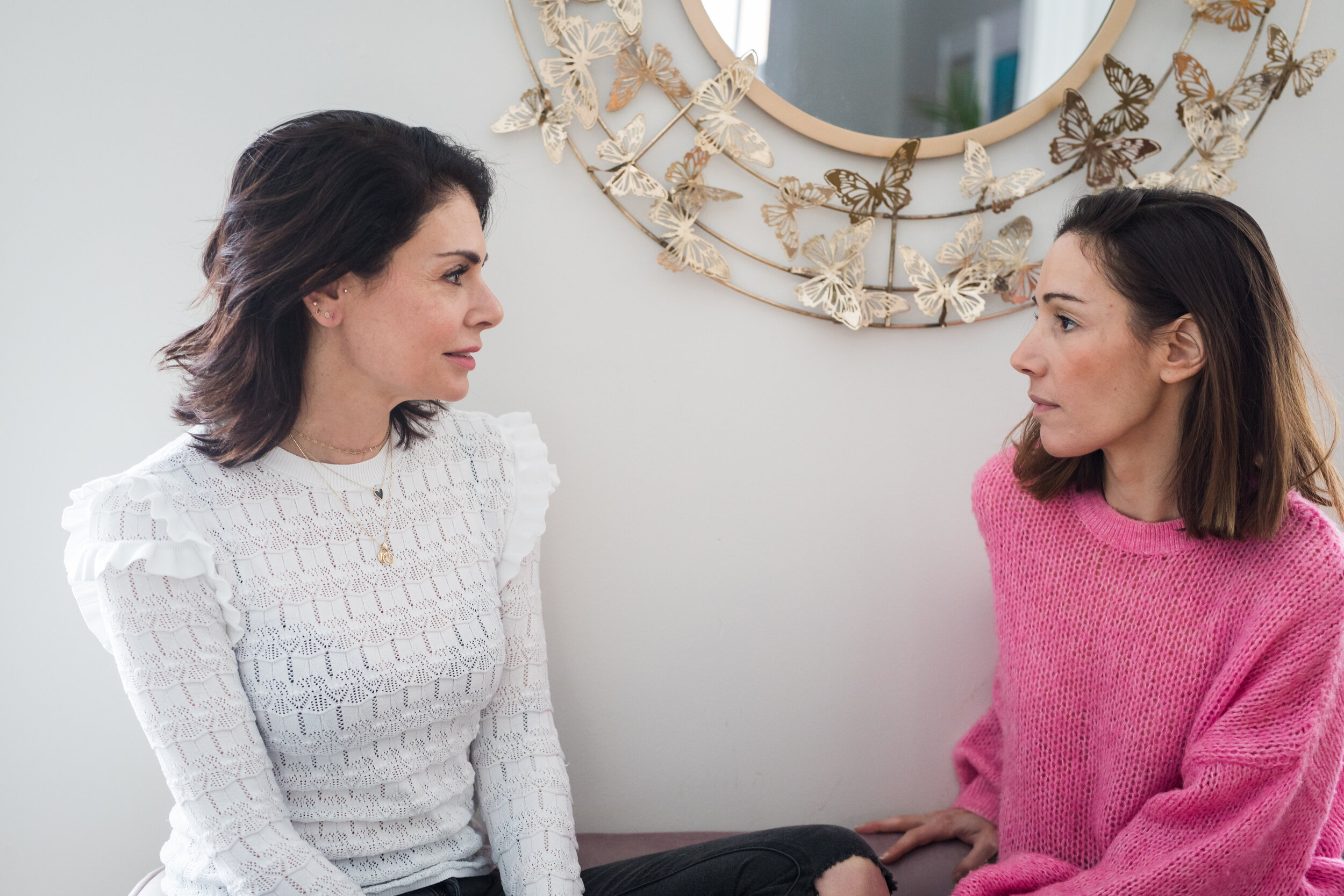
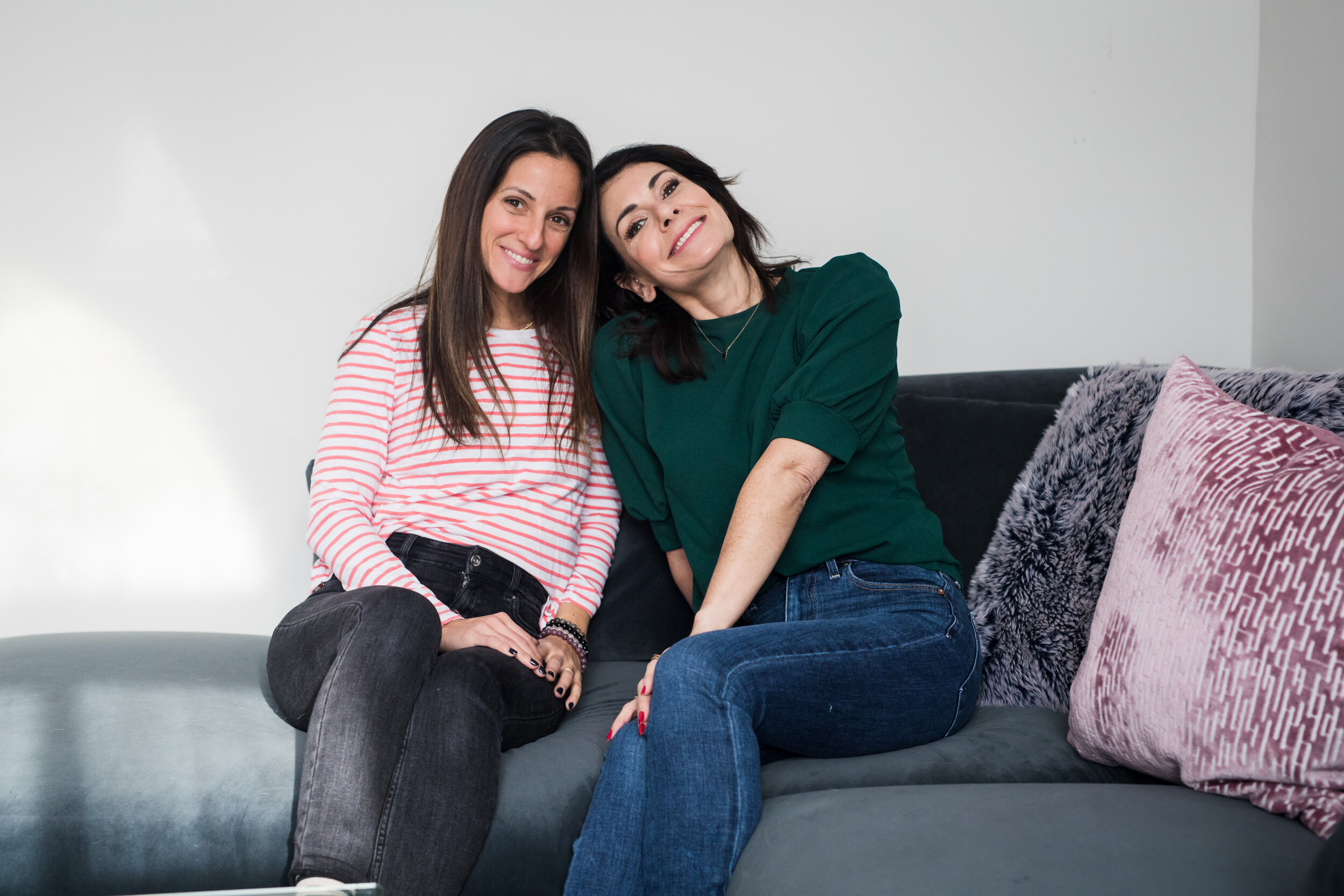
Chasing Freedom

Written by Alecs Kakon

Photos by Jen Fellegi

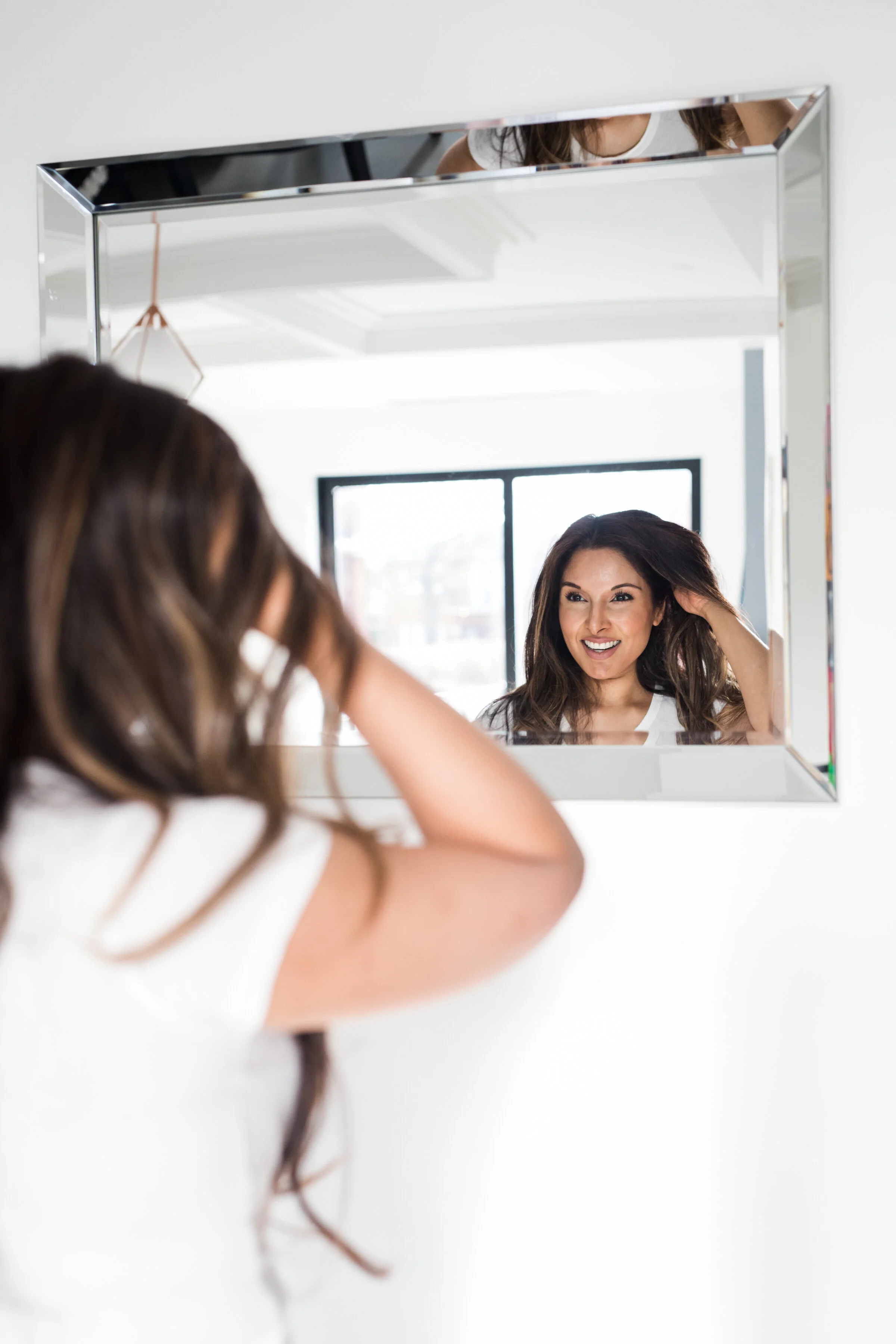
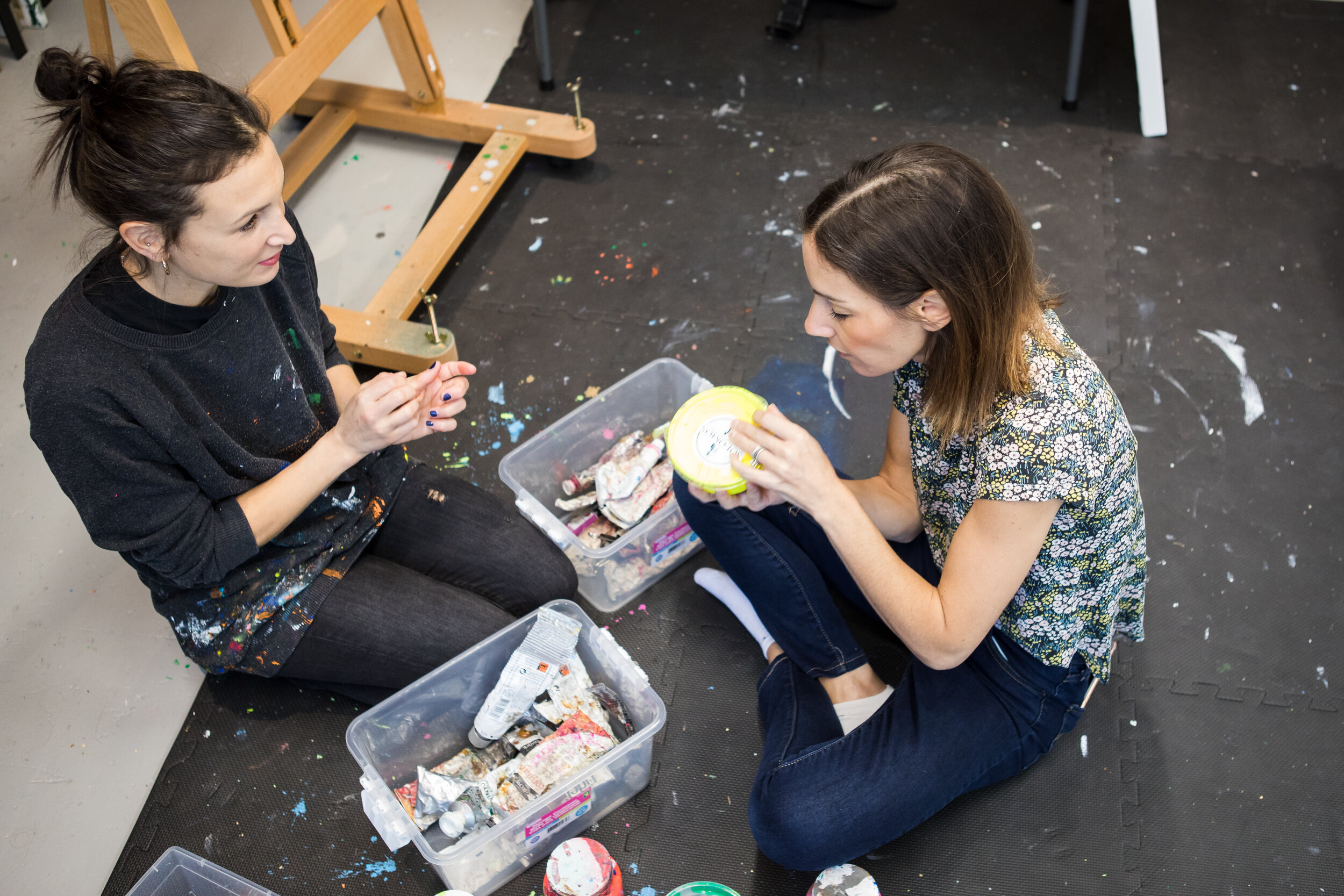
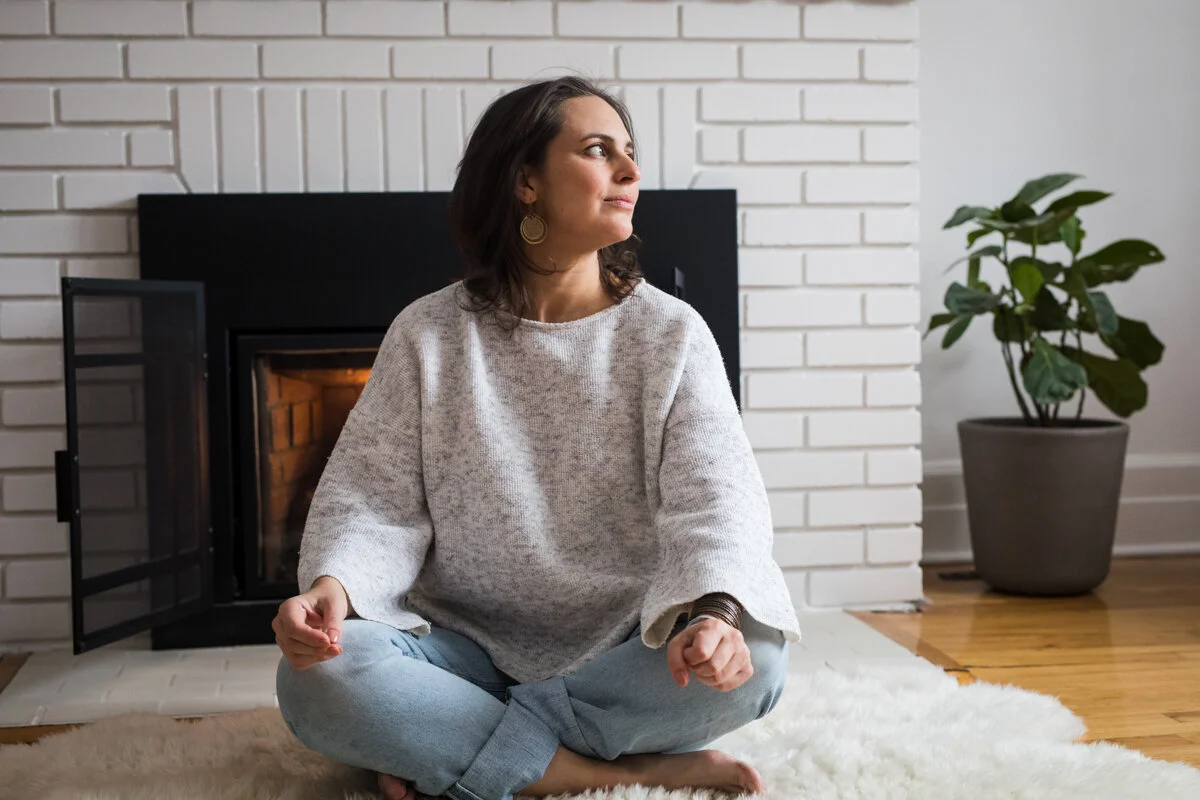
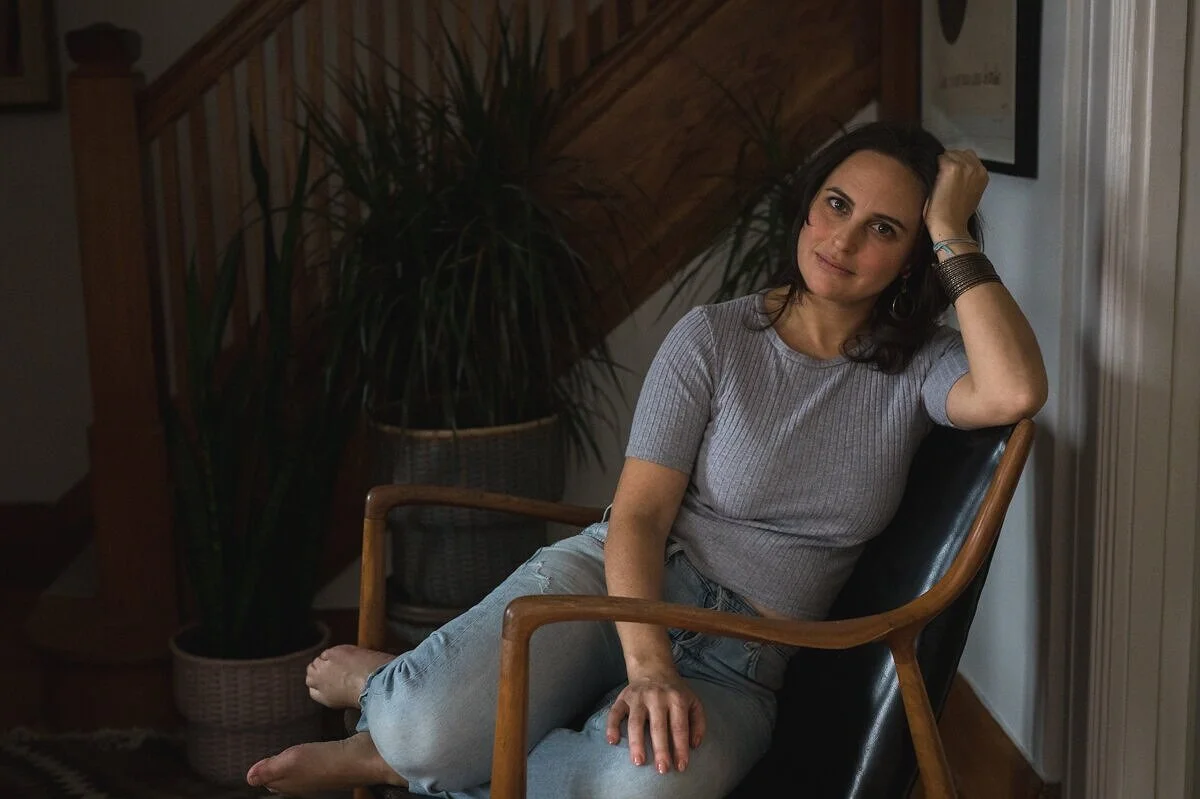
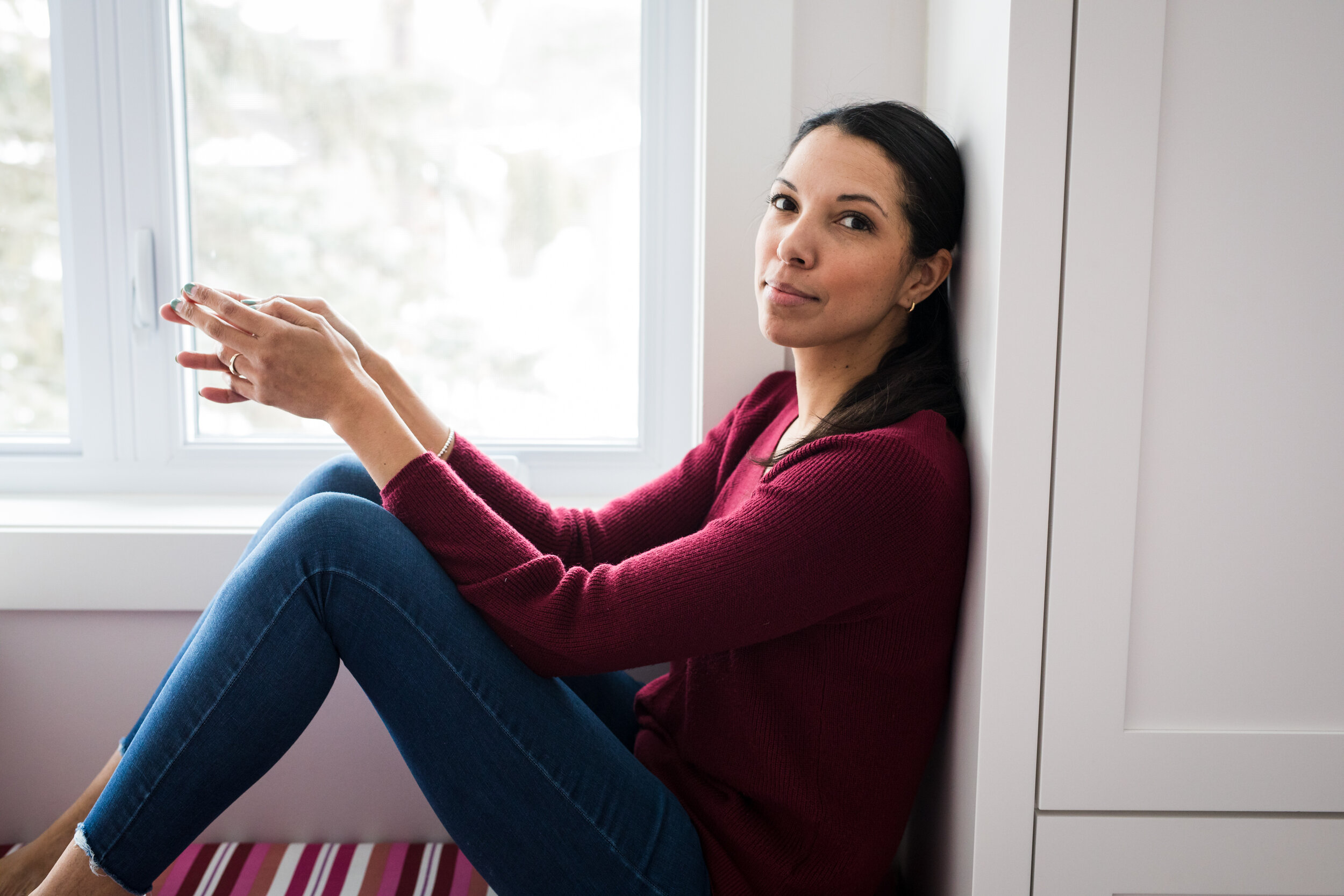
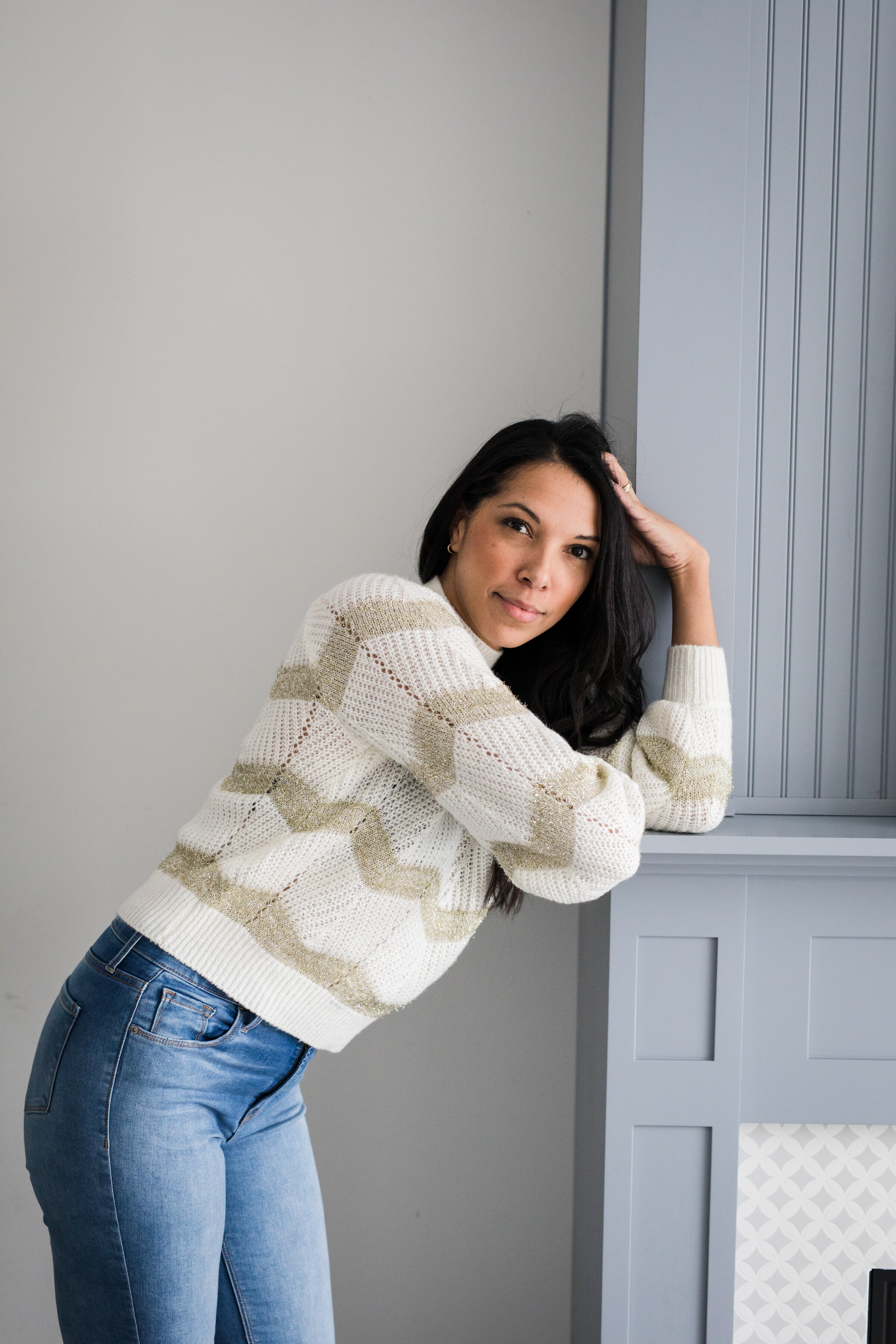
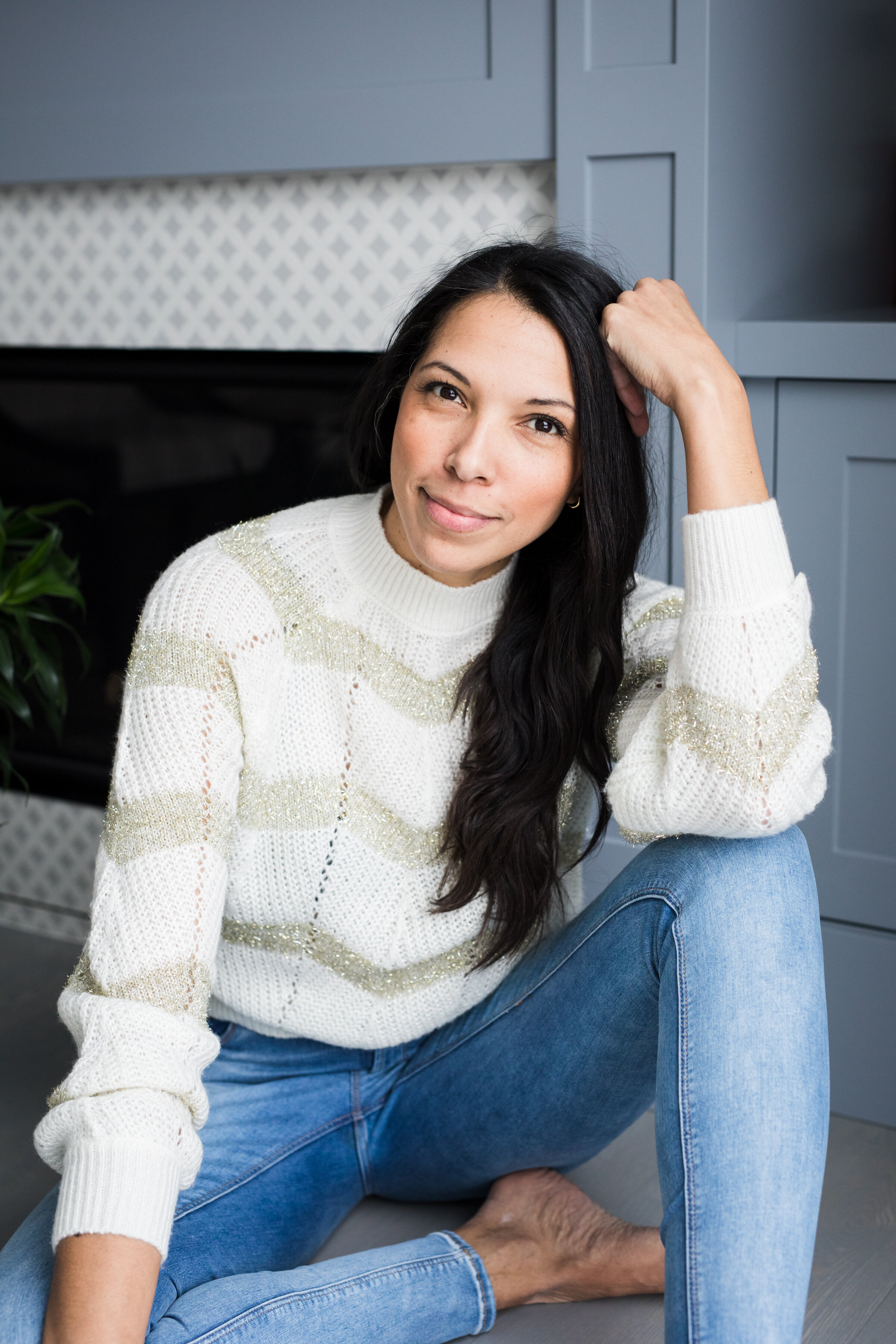
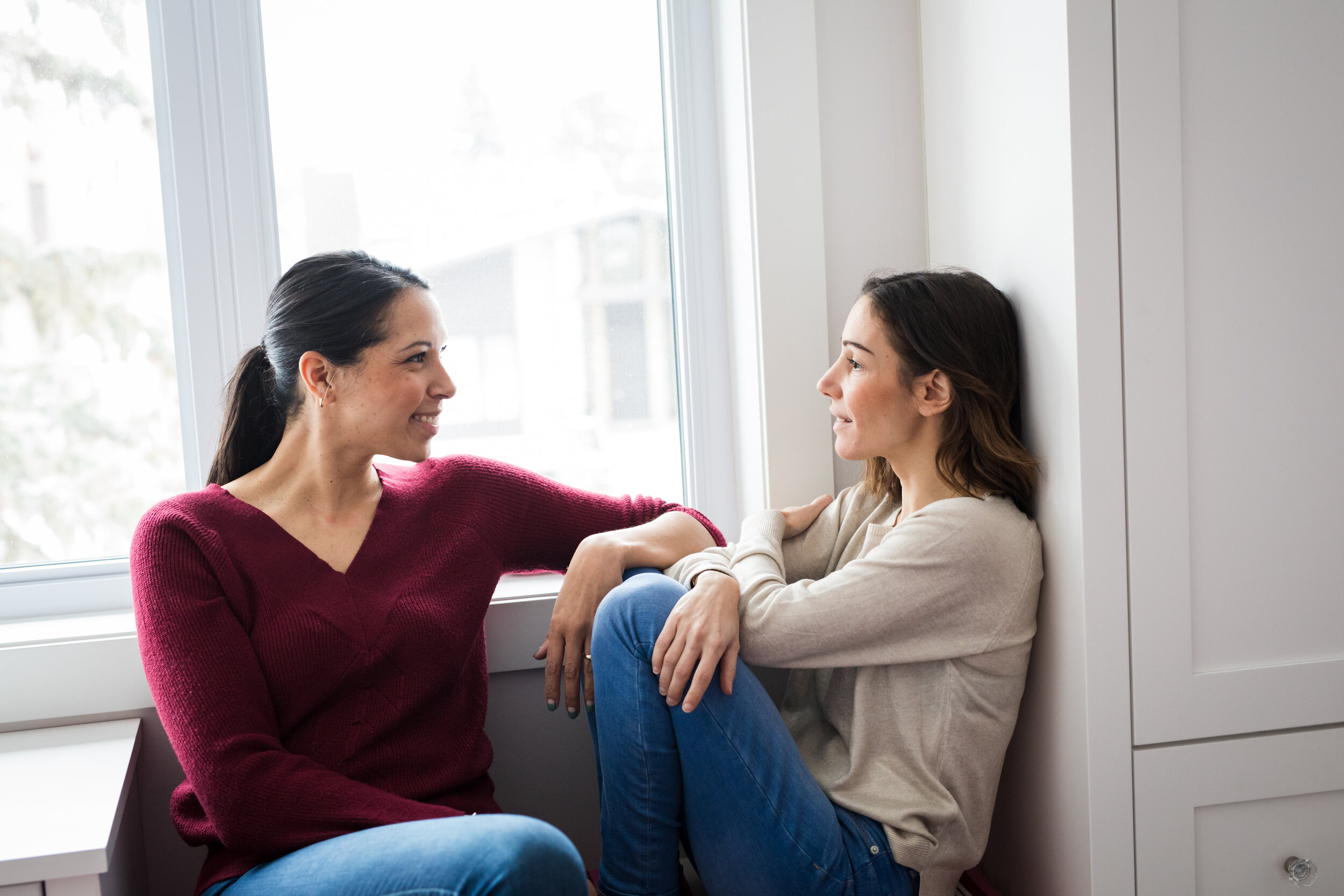
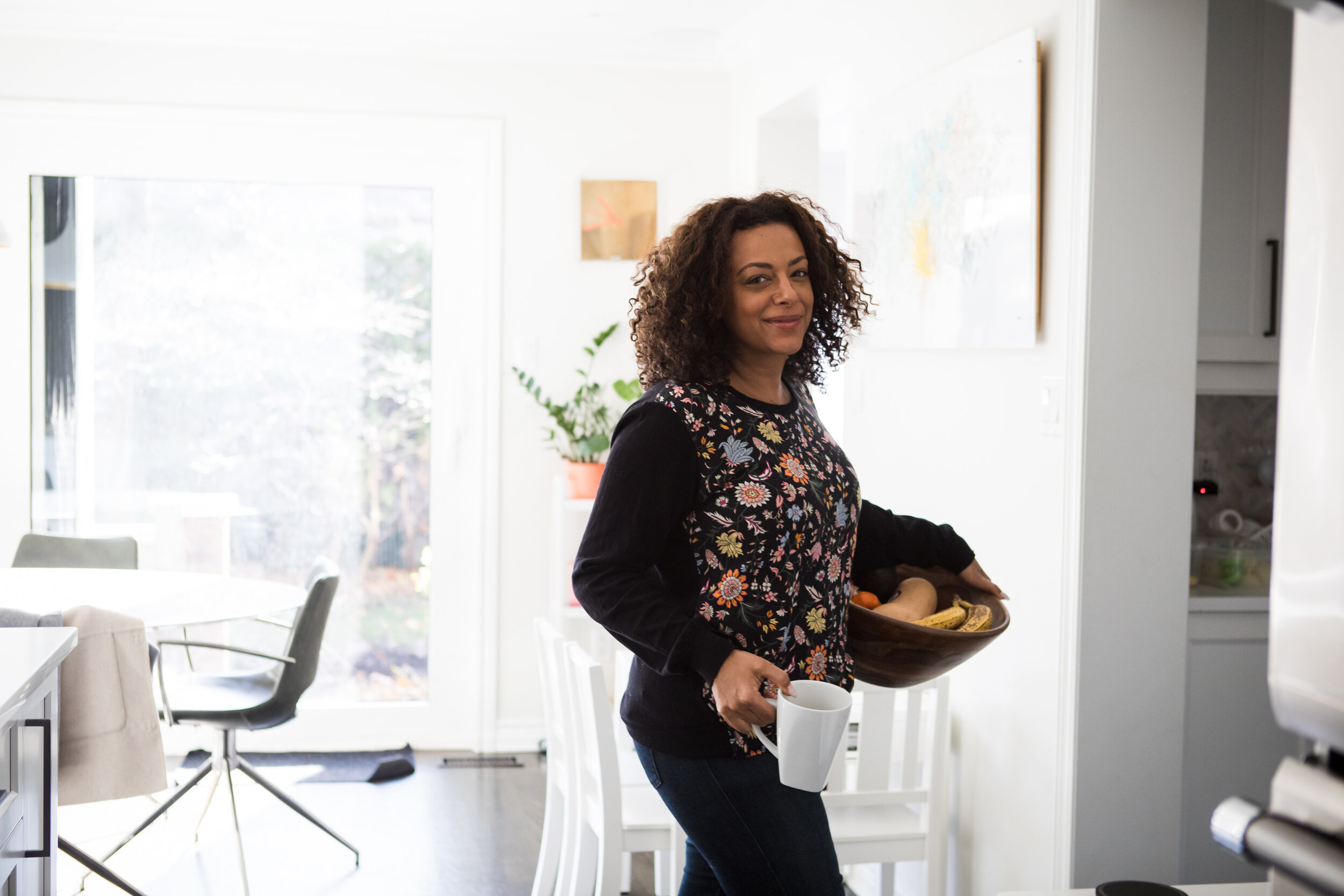
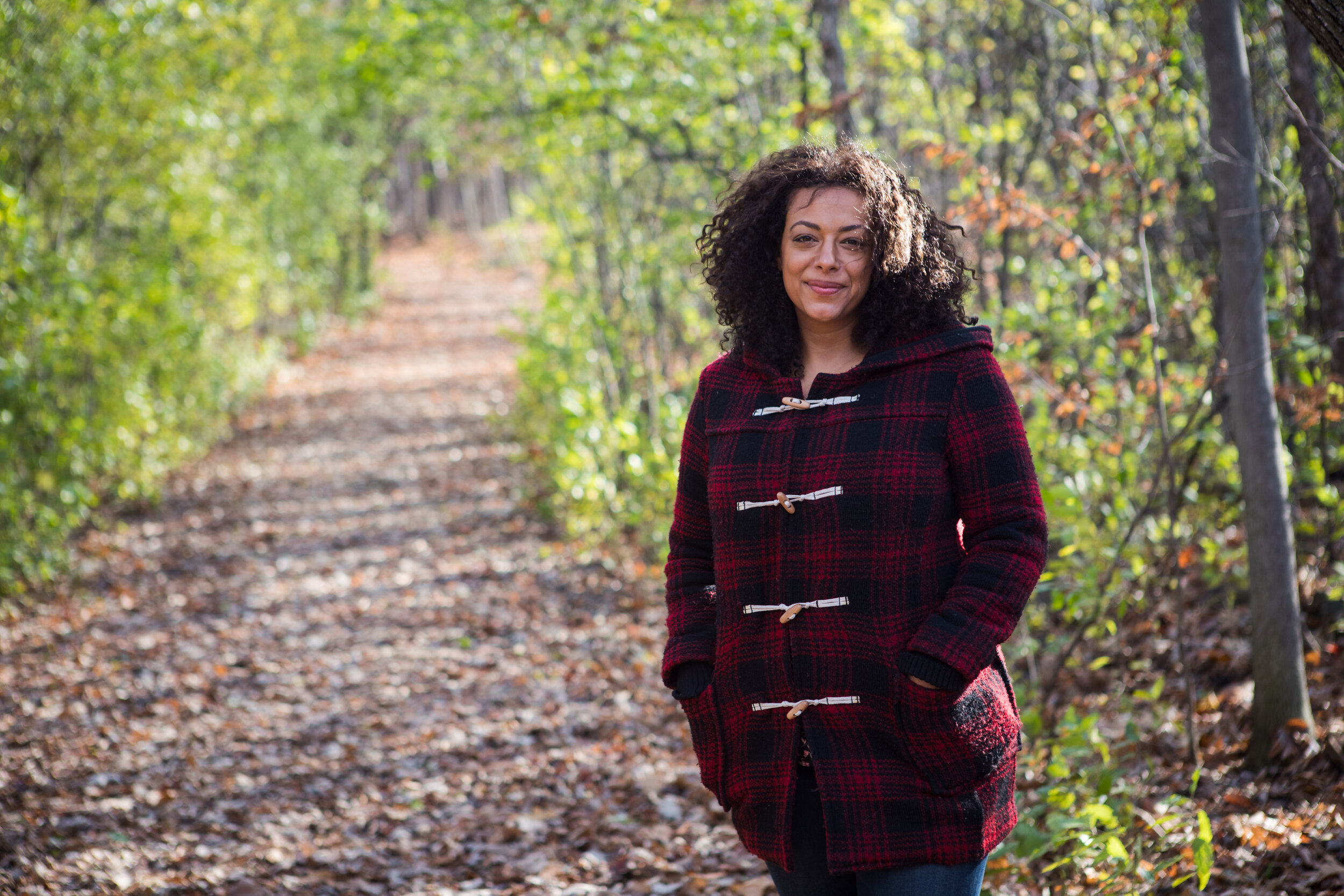
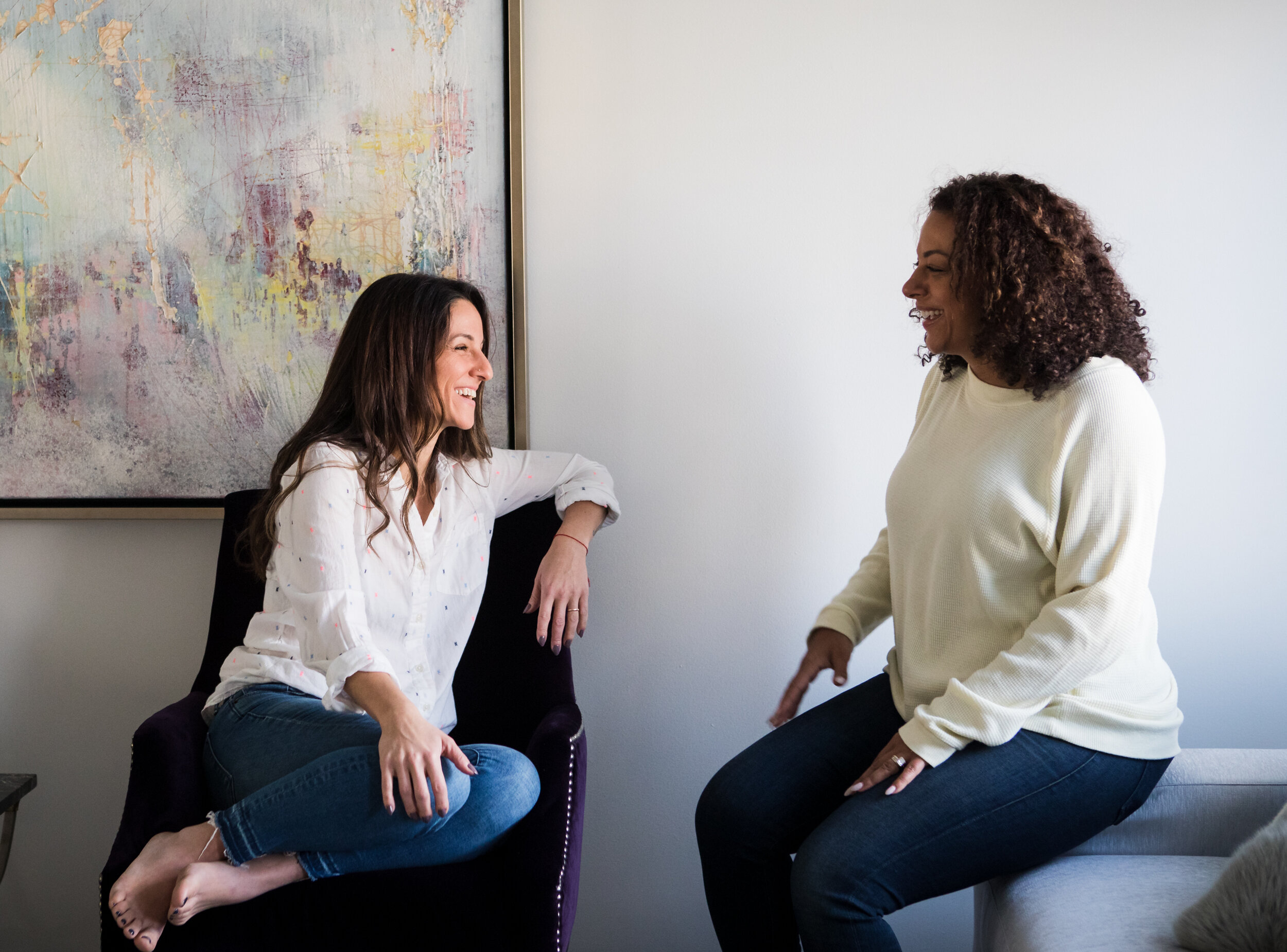
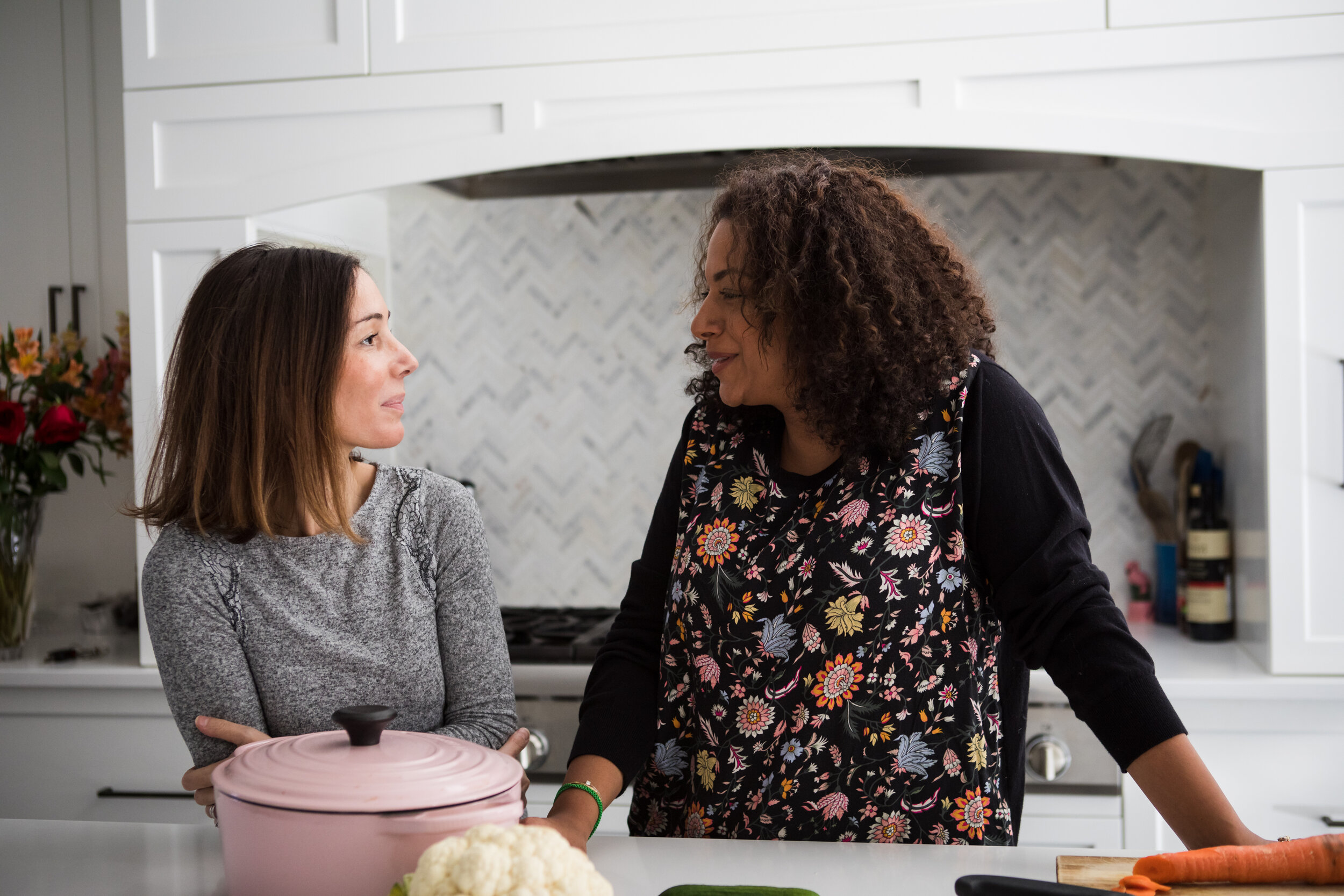
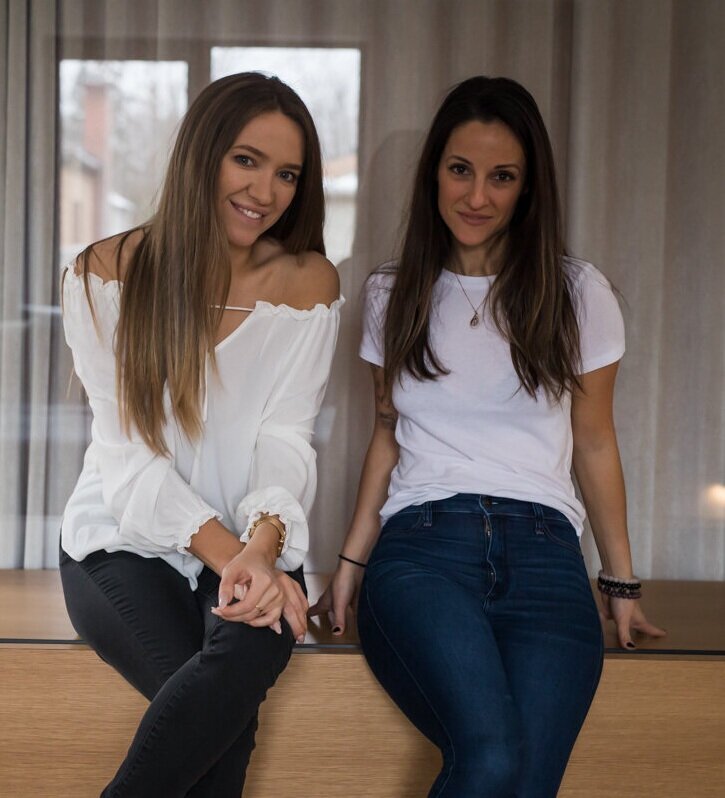
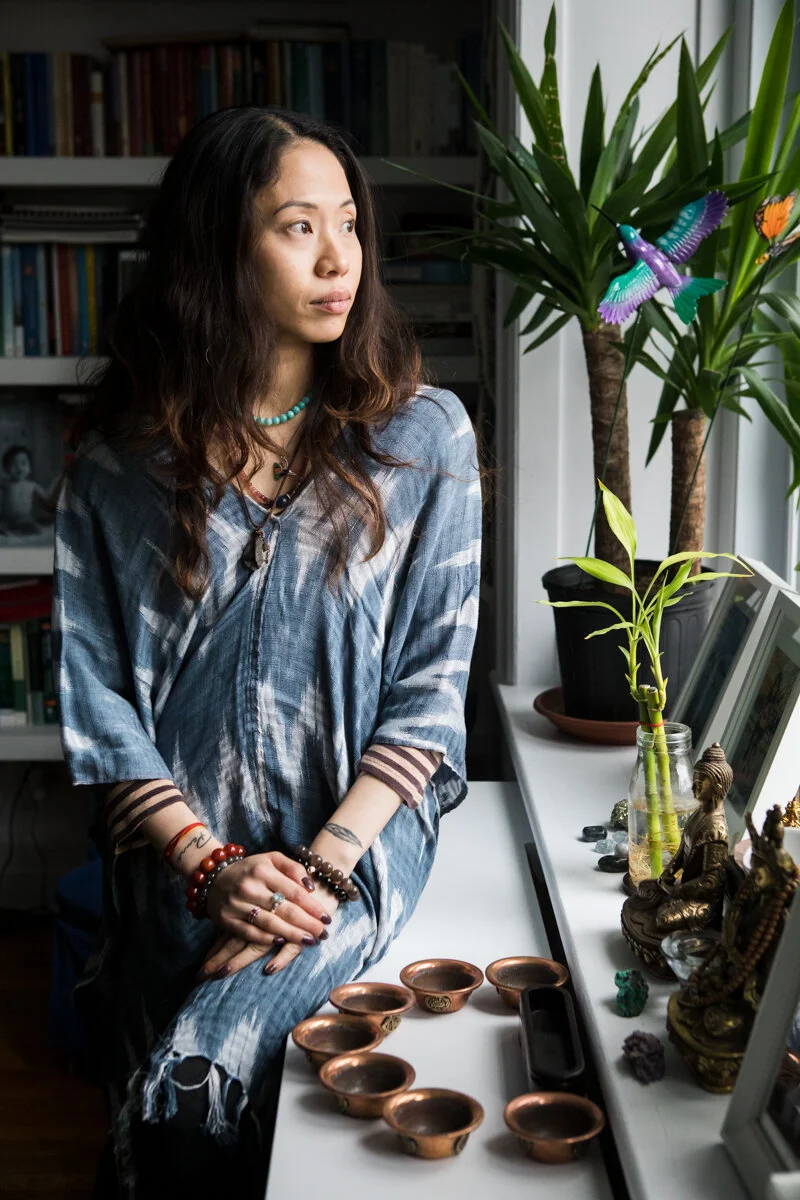
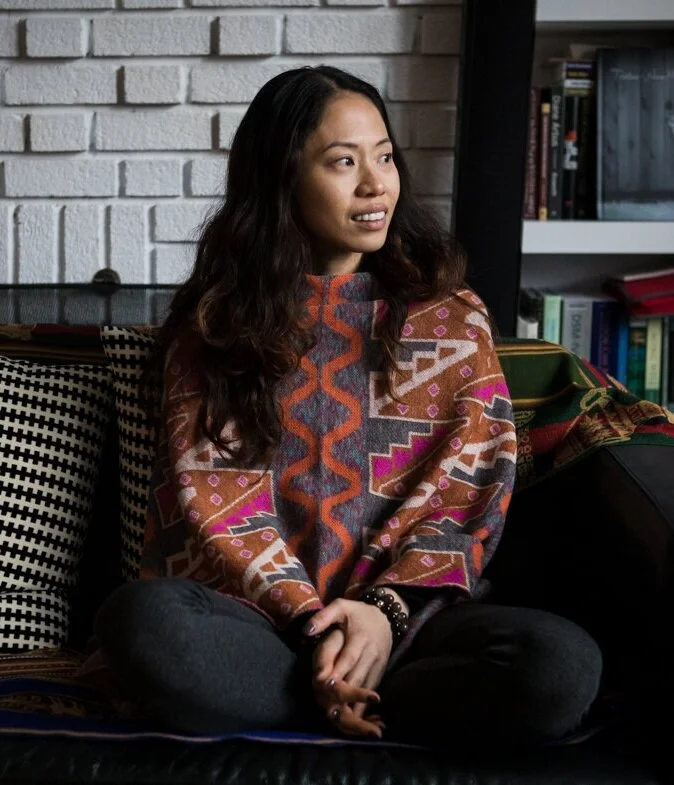
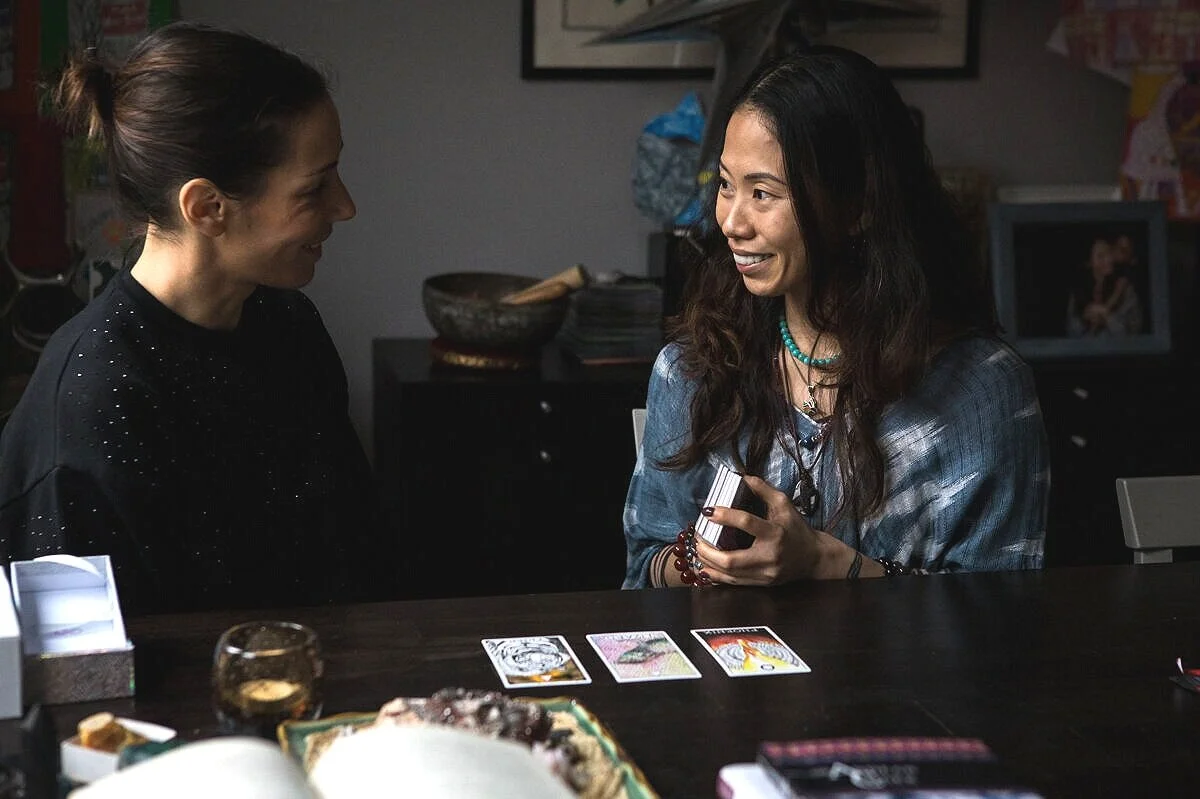
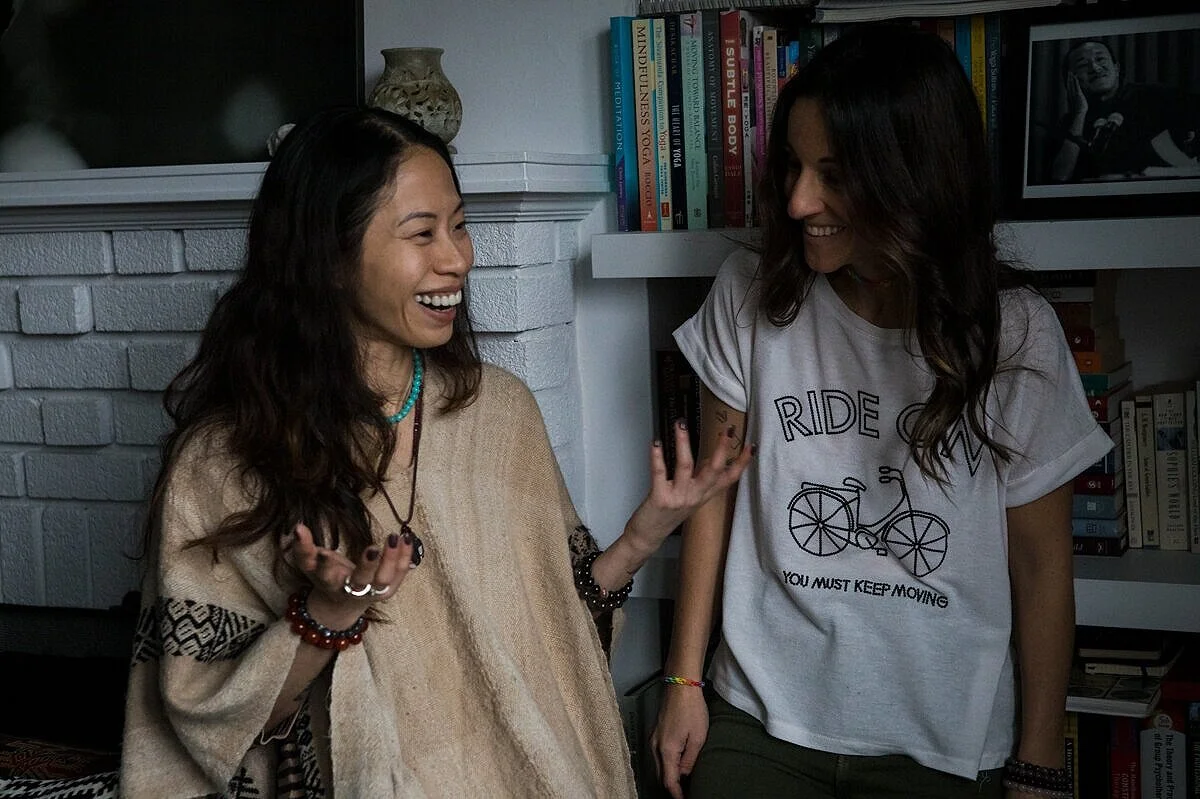
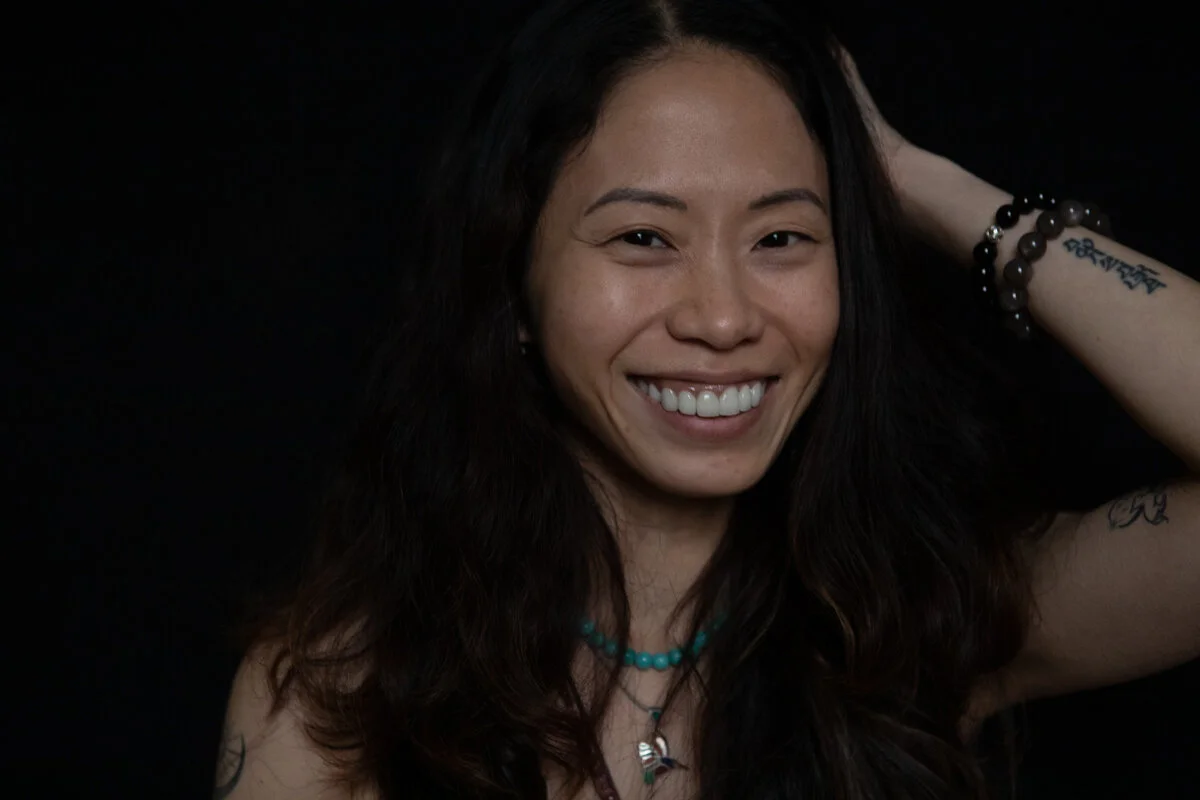
Jean-Paul Sartre once claimed that consciousness is freedom. What he meant is that as conscious beings we have the freedom to choose; choose how we emote, react, think, feel, move. So does that mean that being conscious is being aware that you are free? Or, is it being able to navigate this life with full acceptance of your choices and what they manifest that makes us free? In complementary form, Stephen Hawking said somewhere that the universe is made up of space, energy and mass, and that the freedom of the individual lies in being able to navigate the expansiveness of these three elements. If we can live free from confining labels, guilt and shame, and constraint, then then we’ve got space, energy, and mass under our thumb. I think about it often, the whole idea of freedom, destiny, choice, happiness… the list goes on. Are we free? How do we feel freedom? Is freedom negotiable? Without equating my ruminations to the level of Sartre or Hawking, I think freedom is evinced when you live your life aligned with your true passion or purpose, despite social constraints, despite conventions, despite limiting constructs and beliefs. Reaching toward a life that bloats you with genuine happiness and being conscious of and grateful for the choices you are capable of exercising—that’s freedom. One thing we know for certain on this earth is that we have finite days to live the life we have, when I sat down to chat with Marie-Philippe Jean, a lot of what lives right below the surface of my mind’s eye floated upward. Marie-Philippe lives with conviction that life is more than just being an autonomous and contributing member of society, it’s about exploration both inward and outward, it’s about love both platonic and romantic, and it’s about freedom in every shape and form. It’s not about living in memory or anticipation, it’s about living experiences; living in the now. With that thought, she chooses to make every day count.
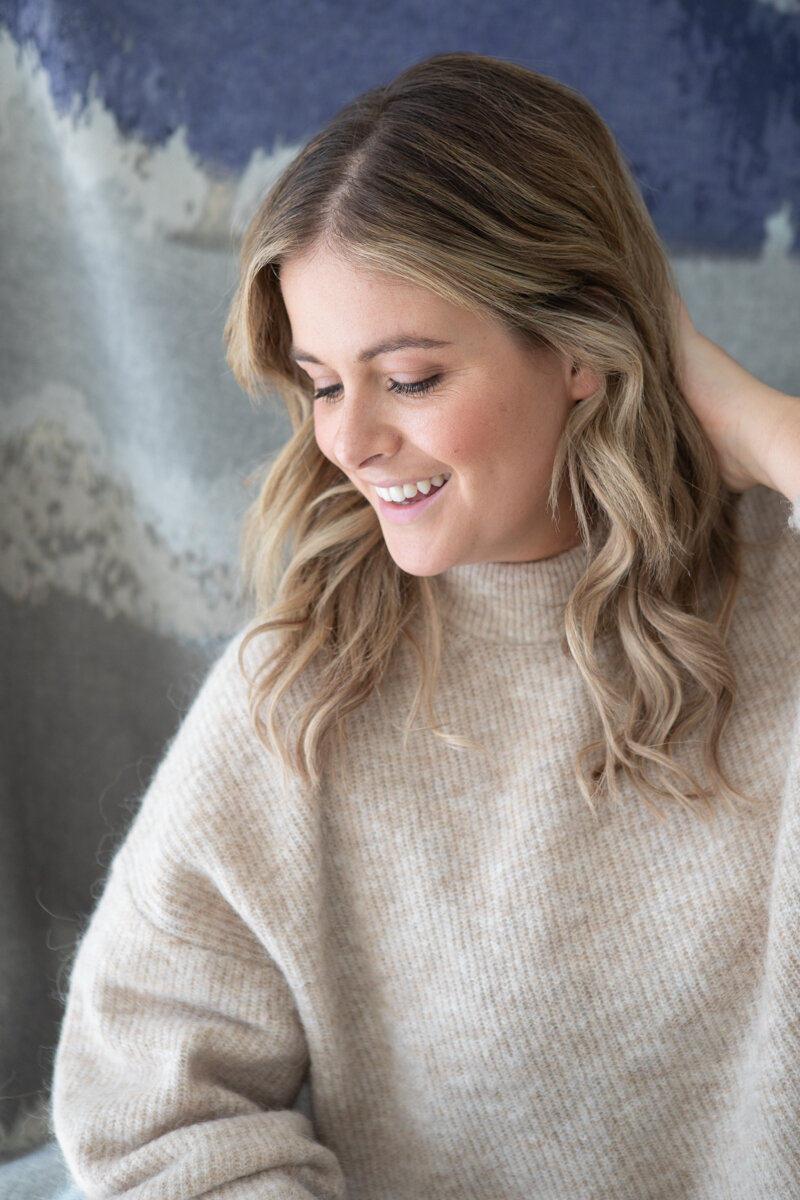
Born in the small town of Matane, Marie-Philippe (also known as Philou) moved at age 6 to Rivère-de-Loup where she spent most of her childhood and teenage life. Being an only child informed Marie-Philippe’s upbringing as it fostered her creative side—hence the very close imaginary friends she would often summon—as well as her diligent work ethic to perform her best and make her parents proud of their one and only offspring. “My parents never put pressure on me to succeed, but I felt the pressure, probably from myself,” Marie-Philippe explains. “I know they always just wanted me to be happy, but I guess unconsciously I didn’t want to disappoint them.” Seeing that discipline, rigour, and intense resilience are equal parts of what makes up Marie-Philippe’s constitution, she took to school and the skating rink with intensive work ethic despite her tender age. “I would be on the ice for training at 5am for three hours and then go to school. Then do another few hours after school. It was intense.” Perfecting her perfectionism, Marie-Philippe suppressed much of her emotions, but by not facing her feelings head on, they transformed into various forms of self-control, namely emotional eating. A coping mechanism we all know too well, controlling her food intake proved to have conflicting results. “I would get really thin because I wasn’t eating, and people would tell me I looked really good, so I felt encouraged. Then I would gain a lot of weight and people were concerned that I was yo-yoing,” she explains. “I knew what I was doing, I recognized my patterns, but I couldn’t stop myself.” When Marie-Philippe decided to up and leave her small town and make the leap for the nearest big city, she had her final bout with fluctuating weight: “I didn’t know it then, but I realize now that I ate to protect myself. I was more scared than I let myself feel at the time.” With perfect hindsight, Marie-Philippe knows now that her younger self was simply trying hard to be strong so she could handle rigorous training hours, moving out on her own, or whatever else life would throw at her, but her emotions had to collect somewhere, and they found solace in food.

profile-projects

Marie-Philippe was only 17 when she moved to Montreal to pursue a career in communications and television. Breaking from her nest was her first exercise in full splendor of freedom: within merely days of moving, she had a new social network, she started a new academic career in line with her passion, and slowly, her dysfunctional relationship with food began to wean as she found an exercise regime she loved and started making healthy food choices. It was a long process, but Marie-Philippe had found a way to reconnect to her emotions and begin healing. She started a fitness and wellness blog, became a fitness instructor, as well as an active brand ambassador. One source of freedom she tapped into most recently is finding joy in play, something that she hadn’t felt in her teenage years. “I never partied as a teenager, I was always so busy with skating and school,” she explains. “I’m 30 now, and I’m still learning to play more. My parents even took me to Disney World for my thirtieth birthday because I just wanted to reclaim that childish sense of play and freedom.” What better place to run free than the world’s largest playground!?
profile-projects

Currently working as a freelance story creator and branding consultant, Marie-Philippe has redefined the whole work-play balance. “I make odd choices that aren’t so linear, but I’m someone who likes to shake things up. I’m discovering myself and always exploring, but in the process, I’m also working,” No longer giving into the external pressures to succeed in a conventional manner, Marie-Philippe has created a life whereby play is of equal importance to work. “I went to Australia for 2 months simply for pleasure. It was hard not to be productive or start a new project. At the beginning I felt so useless and powerless, but I found peace. I stopped thinking about what I should do and started to immerse myself in the true feeling of freedom,” she says. “That is what success means to me. Being able to take 2 months off and still know that I can take care of myself and that my work is there for me when I get back.” Always challenging herself to think up clever new ideas, Marie-Philippe’s free spirit is a culmination of her experiences compounded by the creative little girl that conjured up a few imaginary friends whenever the real world didn’t offer her what she knew she needed.

profile-projects

Trying to fit into prescriptions of what society deems important in order to arrive at an ultimate state of happiness, Marie-Philippe has sifted through the constructs that never belonged to her and has emerged a woman. She has found her own meaning to happiness and in doing so, her freedom. It was disorienting, but in the end, she recalibrated. She made choices, acted on pure intention, and today, she exercises her conscious freedom in her dynamic, transient world of perpetual play. “I like to explore all facets of myself. When I can finally reach a place that feels completely safe to be who I am, that’s when I’ll be totally free. I choose to use these moments and lessons by giving back to women and teenagers through writing workshops. By giving talks and coaching, I can spread my love and hopefully create a positive impact.” So without a conventional box to fit in, without people telling her how she ought to be, and without anything, physical or other obstructing her path, is Marie-Philippe living in full consciousness of her freedom? I think so, Philou.

A Punctuated Path

Written by Alecs Kakon

Photos by Jen Fellegi

Being told what to do, who I am, and what box I fit in are my most basic triggers. They just set me off in a heat of panic. I’ve untangled the web to get to the source, and suffice to say that the misjudgments and misunderstandings suffocate me. Feeling safer around people who ask questions, I maintain a certain jurisdiction over my person (don’t we all?). In turn, I feel more able to open up and explore myself within my set boundaries. Public perception is something I know I can’t control, but just knowing that I have the space to explore myself without the misgivings of the person across from me allows for a more authentic conversation to take place; a more equal playing field. Something happens in my body on a very chemical level when I feel someone is trying to “figure me out,”—it’s visceral, but to articulate with words I would say it’s that basic notion of fight or flight, or in my case freeze. I used to fight, which took shape in rebellion or defense, then, in my later years, I switched to flight, which resembled me ditching out on friendships to save myself the potential discomfort. More recently, I freeze. I feel locked in a situation that feels unsafe, and rather than defend myself against my new judge, or flee the moment to save myself, I simply stare outward as my body begins to heat up, stuck in a state of catatonia. I have yet to learn how to navigate the discomfort, but I have come to a crystallized understanding that I no longer need to explain myself to anyone, I just need to sit in the comfort of knowing myself. Sitting down with Tas, we spoke about rebellion, clearing a space for self-discovery, and relying on instincts to allow the true self to emerge.

profile-projects

Born in Montreal, Tas comes from a Latin American family rooted in both Venezuela and Brazil. Raised in a home with a very clear prescription of what success looks like, Tas was on the fast-track for med school from a very early age. Never stopping to ask questions about whether this was what she in fact wanted, Tas kept her head in the books and knew not to look up. “It was very robotic. I knew who I was supposed to be and I just worked constantly to get there,” Tas explains. With an over-achiever mentality, Tas realized early on that the motivation to succeed was not coming from within her, but rather from the external validation received and, incidentally, had started to resent. “I would get a 98% on an exam and my parents would say, ‘well where is the last 2%.’ I even started to feel like, why didn’t I get 110%?” Tas explains. It was difficult to unsnarl whether the failure to reach beyond her potential came from her or from family expectations. By the end of high school, Tas had decided that she had to break from the pressure and rebelled with a newfound concentration in business school. “This was my big rebellion,” she laughs. “I pushed science away because it felt like I was forced into it, but even though I chose the field I knew my parents would hate the most, it didn’t stop me from still getting straight As. I realized it’s just who I am.” Tas realized that the over-achiever she was growing up wasn’t a role pushed onto her, and try as she might to become someone else, it turned out that her drive to succeed was more resonant with her true self than she had originally thought. Within a few years, Tas was back on course to finish a degree in Health Science in pursuit of a goal she was now more consciously aligned with. Working in pathology and genetic research in hospital labs, Tas had tuned into herself, what she wanted, and ultimately fused her passion with her knowledge base.

profile-projects

Finding harmony between the empirical world and the intuitive realm, Tas’ love for the sciences sought balance in trusting her internal barometer. What was true in her professional path saw inklings of connection in her personal life. Battling Crohn’s disease most of her teenage years, Tas’ overall health took a turn for the worse, and by the age of 25, Tas started to experience aura migraines. “I would vomit from the pain. At one point I was convinced that I had a brain tumor,” Tas explains. Seeking medical advice, Tas was put onto a whole slew of medication, “and I just trusted my doctors blindly. I took the drugs and they would make one thing feel better, but then make another symptom worse.” Wrangling with conflict of proof from what science says to be fact versus her body and how it felt, Tas finally decided to trust her own instincts when one doctor recommended brain Botox as a treatment course for her migraines.

Tas finally threw her hands up and determined that perhaps Western medicine wasn’t the right path for her. “I went home and started researching every single one of the drugs I was on, and I learned that these drugs were both saving me and killing me,” she says. Taking the time to introspect on her body holistically, Tas took a turn inward and realized the medication would never help if she didn’t make some elemental changes. “I think what was really happening to me is that I just didn’t have an outlet for my emotions, I was an over-achiever who bottled everything up. All that pressure and tension… those feelings had to go somewhere, and so they transformed into gastro and other health issues.” Taking inventory of her lifestyle and nutrition, it wasn’t long before Tas adopted a fully plant-based diet and cleared her system of all of her physical ailments. Taking a step back from her role as a geneticist, Tas decided to extend her healthcare advocacy to the general public and now works to help people understand their conditions, their treatments, and the potential alternative options to conventional medicine.

profile-projects

Nature’s limiting polarities has put Tas on a path to decipher the nuances between the two worlds that pull at her. Nourishing her scientific query for most of her life, Tas came into the metaphysical at two punctured points in her road. The true paradox is that her years spent developing her logical-based thinking has only further fostered her intuition that has come to save her time and again. “When I was younger, I grew up with blind faith, I didn’t have choices—I never explored all the different parts of myself. I was told who I was and how to become that person, and that can be really suffocating,” Tas says. Rebelling and resisting, Tas managed to find her way back to herself time and again. The moments when she decided not to just be what she was told to be, or do what she was told to do, were the moments when she was able to truly recognize herself. Who knows what we can become if we had the chance to play in a space that fostered self-exploration, perhaps we would waste less time fighting what we are to prove what we aren’t. All I know is that when confronted with a mirror of misrecognition, we squander time wiping away a reflection that misrepresents us rather than relish in moments that can be used living with the freedom of unconstrained choice.  

One Story Told Twice

Written by Alecs Kakon

Photos by Jenni Fellegi

Intuition and insight are two words that are commonly connected with artists and the creative mind. Clio is no exception. Seeing patterns and parallels in her life, a short chat brought deep self-reflection to the surface. Currently working as a professional artist , Clio always knew that standing in front of a canvas, paintbrush in hand, was where she felt most comfortable, confident, and safe.

Born and raised in Antwerp, Belgium, Clio comes from a tight-knit Jewish community, not unlike the one she is now a part of in Montreal; a community where everyone knows everyone and nothing can be kept private. So, when at 12 years old, her parents decided to get divorced, she was faced with the public scrutiny of friends and schoolmates knowing all the details of her personal life. With strong conviction and a righteous moral compass, Clio could not accept the chaos that had become her life, and decided, with the referral of a close friend, to up and move to England where she would attend Carmel College boarding school for two years. Although Clio qualified this move with the word “escape,” I believe her decision to flee was an intuitive uproar her body felt on a sensorial level, one she could not quiet. While most young children might feel stuck and negatively affected by the throes of parental dispute, Clio was able to transform her pain, and the destabilizing effects thereof, into a positive experience. Allowing her to see more clearly and trust her instincts, leaving home to attend school abroad was one of the first transformative moments in her life; one that would inform her decision-making process invariably.

JFEL7714.jpg

Jumping forward nearly 20 years, when asked what the most pivotal moment in her life was, Clio describes the unhesitating time she broke off her engagement to her now-husband. Drawing upon her childhood experience with chaos, she ruptured her own turmoil by fleeing yet again. As the pattern of her past started to reveal itself, Clio remembers, “Everyone knew our things. Everything was public, because we live in such a small community. But I had to break it off anyway. I had to figure things out myself.” Knowing that everyone would have an opinion on her decision didn’t stop her from running off. She needed time to pause as she felt her life was going in so many directions; she needed to pull back to get a grasp on the bigger picture. Wedding planning, family feuds, and other noisy details, as an artist, Clio knew all too well that that working too closely on a piece always requires a step back so as not to lose sight of the whole.

A brief, yet momentous breath, is what allowed Clio to refocus on what her relationship meant to her. It was a crazy period for Clio as she took to living in her studio where she worked as a painter. Spending a few tumultuous weeks apart from her now-husband left her in a state of instability yet again: How did she really feel? What did she truly want? Being forced to feel her emotions on a deep level is not something that Clio does easily, and so, as she did as a child, she allowed her instincts to guide her. Like a force she could not deny, she was hit hard with the realization that her life had to be joined to the man she loves. “Something took over me,” Clio explained, “I had to be with him again.” The two decided to marry on their original wedding date, with less than 2 weeks to actualize the night of their dreams. The symmetry in Clio’s life is visible as the  two paths run alongside one another: one of a child running away, the other of a woman running away, both on a quest to find stability, tranquility, and the space to be her true self. 

Looking back on her earliest visit to Montreal in 2006, Clio remembers meeting her husband the first night she arrived. Clio recalls returning to Antwerp and telling a close friend that, as though with a sixth sense, she had met the man she would marry. Lo and behold, that sparkly intuition has always been a guiding light in her life as eight years into a marriage founded on friendship and equality, Clio and her husband share a life built of love and trust, and have filled their home with a beautiful family replete with two young children.

JFEL7710.jpg

Knowing where we come from in order to know where we are going is something easier said than done. For some, taking the time to reflect back on certain pivotal moments can feel anything from freeing to jarring. For Clio, a meditation on transformation gave her grounds to understand that her method of stepping back to feel what is going on in her body and become conscious of inner truth is one of great compulsion. With an interesting life of travelling, living abroad, everything from boarding school to fashion school, squatting artist friends, booze, and tattoos, Clio says that security is not a feeling she had claim over as a young child, not financially or anywhere else in her life, but as a grown woman, Clio has cultivated a talent in her artistry that has brought her to professional security. She co-owns her business Canvas Candy where she reproduces art on a large scale for businesses and individuals both locally and internationally. She follows her motherly instincts in her tender approach to parenting, and she champions for her equally talented husband in his business. Nurturing her life and those around her with her strong sense of calm, Clio is rooted in the happiness her home life provides. And so, as she has now found security and safety in the family she has built, a physical fleeing no longer mediates her intuition; her paintbrush now provides her with the escape she needs when in search of her truth.

A Moral Compass

Written by Alecs Kakon

*There are no photos for this profile as the person in question did not want the exposure that would come with the sharing of her story. In addition, her name has been changed for the purposes of this profile.

We are an evolved species, so they say. But what does that mean? Equipped with the potential to reflect upon our lives and thoughts, humans, if left untainted by social conventions and left to explore their senses, are sentient beings capable of a range of emotions. A bountiful resource that can deepen the soul, human emotion has the power to bring us joy, anguish, love, pain, and everything in between. Some are overcome with emotion and choose—or rather, for lack of choice—to take them at face value. While others use their feelings as a springboard for further introspection and self-reflection. But, what tools are we given on this deep dive so we can safely swim rather than drown in a sea of overwhelming emotion? Somewhat conditioned by society on how to identify and label our emotions, we are not formally taught how to navigate them and make sense of it all. For some, family is a great starting point should there be a platform for open communication, but for most, the nuclear family is not always an option. So, where are we meant to learn about ourselves and all glory of our every emotion? Are these phenomena, such as love and happiness, destined to remain dark mysteries to most of us? Sitting down with Poppy, we discussed how the events in her life have impacted her way of behaving in the world, and how, with her wide range of obscure of emotions she is trying to expand her vocabulary to make negotiate all the feels.

Born in 1997 in the Philippines in the small town of Sangil, Bacarra, Poppy was only about seven years old when her mother moved to Montreal to pave way for a better opportunity for her children, leaving her and her bother to live with their grandparents. A cultural norm in the Philippines, Poppy was amongst the majority of children who lived with relatives due to parents emigrating West for caregiving jobs that provided the hopes of financial stability for their families back home. Aware that her parents were sacrificing their lives for her security and future, Poppy remembers a happy upbringing complete with memories of freedom, comfort and love. “I remember after it would rain, my grandfather and I would bring buckets up the mountain and look for mushrooms. We’d fill up our buckets and go home to make soup or whatever. Those moments when I was younger are some of the best memories of my life. I never felt happier than when I was a kid on the farm, it was so serene.”

Poppy was only 8 years old when she was confronted with her first experience of dealing with grown-up matters. “I was such a daddy’s girl, but I guess I didn’t know what it was like to really live with him, because up until then I hadn’t. One day, I saw an 11-digit number on his phone that I didn’t recognize and a message popped up that said ‘I miss you and love you.’ My mom was already in Canada and so I knew it wasn’t her,” Poppy describes. “I memorized the number and wrote it over and over again until I filled up the page of a notebook. I didn’t want to forget the number. Until this day I don’t know why I did that, but I had a sense that something was wrong.” Later revealing to her grandmother what she had read, Poppy could tell from the reactions of all parties that her dad had cheated on her mother. “I started to grow distant from my dad. I know the cheating bothered me, but the lies were the worst part.” Still working out the kinks of how this earthquake continues to have aftershocks in her perception of love to this day, Poppy has yet to find stable ground when it comes to matters of romance. “I’ve never been in love. Actually, whenever people want too much from me, or try to get too intimate, like share their feelings or cry in front of me, I get uncomfortable. I don’t know why I’m like that, if it’s a cultural thing, or maybe I was more affected by what my dad did to my mom than I thought, but I’ve never been able to open up emotionally. I don’t know how to be in that way. Maybe I’m emotionally stunted, I don’t know.” Unbeknownst to Poppy, that sharp awareness is her capacity to understand herself more than she realizes; it is her moral compass. If practiced, her intuition can be parlayed into the beginnings of her journey inward where release and growth can truly take place. Feeling injustice in the world, that “everybody has something bad they need to hide, even if they are all righteous on the outside,” is the catalyst that can turn Poppy into a woman who fights for what’s right leading her to her own emotional liberation.

Knowing with certainty that her happiness today is derived from living a fulfilled and secure life, she is grateful that she can give back to her family and see those around her be happy. Poppy is thankful for her intellect gift and hopes that it will help break cultural stereotypes she feels Filipino immigrants have. “Too many Filipinos don’t graduate high school or go to university. I don’t want to perpetuate the stereotype that we aren’t educated. My father was a marine and electrical engineer in Saudi. When we came here he worked at factories and was a technician. I saw a man with an elite profession fall into positions that were below his intellect. My mother also had an esteemed profession as an emergency nurse back home, but when she arrived here she was placed as a caregiver and never worked as a nurse again. In our world, intelligence is the only equalizing factor. You can come from a poor place or the richest, but the only way to get anywhere is with your intelligence.” With a clear path on how to reach her desired profession and find financial security, Poppy wants to break from the ordinary and pay homage to all those who have sacrificed for her and her freedom by achieving extraordinary success.

When her father cheated on her mother, the quiet haranguing of betrayal lingered in Poppy’s heart, disavowing and destabilizing her sense of moral right and innate wrong. Healing past wounds, making sense of her experience as a child, and growing into a mature individual, Poppy’s retrospective highway expands as her consciousness illuminates the road behind her. Part and parcel with our adult playground comes the growing awareness that unpacking our past helps us revisit moments that our younger selves were not quite ready to understand. Helping us evolve into more open beings, our hearts, minds, and bodies are more inclined to accept new experiences as just that, new, rather than iterations of an unending past.

To Be Seen

Written by Alecs Kakon

Photos by Jen Fellegi

What does it mean to let someone truly see you? I think about this often, and in swift moments of judgment, I decide whether I want to bring myself into focus or if I prefer to stay blurred behind a veil. I have yet to decide what it means to let someone “see” me, like see the real me, because I’m still unsure what that would entail. Does it mean baring my soul, all of my deepest secrets? Or, does it mean to stand in my truth, whatever it may be at the moment, and allow for authentic interaction? I’m often conflicted with self-censorship and whether my filter acts as a barrier to protect me from being (mis)understood or if it’s a system I’ve put into place to properly respond to social cues. I can surmise that the privacy I’ve upheld most of my life is most likely a little of both, but mostly, I believe, it’s my reclusive way of remaining partially hidden. Lately, the yearning for someone to truly see me has become palpable, but I’m not always able to uphold my end of the bargain, as I may sometimes still run or hide when things get too real. The fear of betrayal runs deep, I guess. There’s that split second when you’re brain tells your mouth, ‘ok, go, say it,’ but then I stand there, mouth open, wordless. Old habits, old wounds; fear of being pitied or judged, or worse, labelled, seen in a way that doesn’t feel right to me. I’ve taught myself to keep quiet, stay silent, not because I feared the truth, but rather because I never felt safe speaking up. I’ve learned that I fear being belittled, invalidated, appropriated, mocked, being called a liar, or worse, being told to shut up. Feeling safe, I’ve realized, is an indispensable factor in allowing my voice to become audible, because it was never that I didn’t have the words, it was that I didn’t have the safety in knowing that someone wanted to listen. Sitting for a chat with Mackenzie, we talked about coming up in a small town, finding herself amidst the unlikeliest communities, and learning that perception reigned large in knowing how to navigate herself in this big ol’ world.

profile-projects

Growing up in Aurora, Mackenzie’s upbringing had all the shadings of a suburban lifestyle. Although Mackenzie’s parents divorced when she was merely 2 years old, she always felt an abundance of love from both of them. At 8 years old, her mother remarried and with that came a step-father who brought a sense of stability to her life, shaping her way of seeing the world through function, utility and simplicity. “When I was younger, I had to negotiate between my parents to get some of my more basic needs met,” Mackenzie explains. “If I needed boots, I’d go back and forth between them to ensure I’d have what I needed for the winter. But, once my mother remarried, that changed. It’s funny, I’m not sure that is an accurate memory, perhaps I just remember things differently now than they may have been.” What’s for certain is that her step-father brought with him a sense of simplicity and meaningful connections. He valued function over aesthetic, and with that, her modest upbringing was parlayed into a humility that Mackenzie would carry with her throughout her life. “I remember  the first year I was packing for camp. We didn’t have luggage,” Mackenzie explains. “We had to pack in garbage bags, but that wasn’t even something I had thought twice about. We didn’t have much, but I was always spoiled with experiences and love.” Whether it was spending the summers at camp followed by road trips in the back of her father’s car across Canada and the US, Mackenzie was want for nothing as she had a great fortune in watching the way her mother and step-father’s love unfolded.  “They were on the same beat and being in their orbit and getting to be around such a great love was special,” Mackenzie says. Feeling the safety of comfort and ease around her parents allowed Mackenzie to build an autonomous sense of self in her younger years that would be a grounding force as she grew and went off to experience the world on her own.

When Mackenzie was about 15 years old, she learned of a boarding school nearby that could get her away from the shelter of her small town and bring on new beginnings. “A friend at camp told me that I could go to a school that was like camp all year round,” Mackenzie recalls. “Once I was there, a whole new world opened up to me.” Taking care of herself, living on her own and prioritizing her school work to ensure she would do well, Mackenzie’s independence bode well for her at Lakefield. However, school was more than just academics and sports, as she was exposed to a different style of life than she had ever experienced in her small town. “It didn’t take long for me to learn about brand names and old family money. Wealth was everywhere. Wealth like I had never seen before.” Mackenzie describes. “I didn’t have exposure to city stuff coming from the suburbs. All of a sudden, I just wanted it all. I started requesting UGGS, and all of that sort of stuff.” The material world started to creep up on Mackenzie, but just as quickly as she was whisked away, she was brought back down. “My parents never bought any of it for me. Looking back now, I know they could’ve afforded it, but it just wasn’t who we were.” Spending the next few years traveling, attending Western University, and ultimately graduating from Acadia University in Recreation Management, receiving an MBA from John Molson School of Business, and eventually Barre training that would bring her to her present career, Mackenzie has chosen a life reflective of the values with which she was brought up. Simple, functional, modest, yet affluent with experiences.

profile-projects

Confronted with versions of herself that could’ve been and living in the tension of what currently is, perception has played a vital role in Mackenzie’s development as her growing sense of self-awareness is informed both by what she perceives and what is perceived. Knowing that the discerning judgment of others can create meaning in her character, Mackenzie has curated a public persona that allows her to shield her private self. “I understood that people appreciated certain things about you, things that were on the outside. I learned that perception was a big factor in how well liked you were and how well you did in school and, inevitably, in life.” Navigated this idea of a dichotomous self, a newfound consciousness dilated within: “I choose to wear neutral tones, staying away from colour,” Mackenzie explains. “I have a minimalist aesthetic to match how I feel inside. My personality is friendly, but I don’t like to take up too much space.” Equating colour with boldness and extroversion, even the simplest thing like her wardrobe has become a way of both defining herself as well as curating what others know and see. Mackenzie, like most of us, is in process. Letting past experiences integrate and absorb into the fabric of her being, the symbolism of her life is beginning to emerge. Pulling at threads from her past, she has unravelled what privacy, connecting on deeper levels and staying true to herself all stem from and signify to her.

The paradox of self-observation is that when you finally see your true self in the mirror and you are faced with your reflection, will you recognize what you see? Allowing people to truly see you for who you are begs the fact that you already need to know who that person is. Living in alignment with that reality allows a new layer of self to emerge: the one who can connect most authentically and grow in alignment with your own truth. It’s vital to have people around us who know us, like truly know us. Being your candid self provides catharsis to days of small talk and quick wit. When you find someone you can be unzipped with, you keep them close. “My step-dad and I were so connected and I could be so open with him. He passed away last year and now,” Mackenzie says, “there is one less person in the world who gets me, one less person who truly knows me.” The comfort in knowing that there are people out there who can help create safe spaces for us to be at ease in being our full selves, well, that’s the bright green sweater at the back Mackenzie’s closet.

The Impact of Life

Written by Alecs Kakon

Photos by Jen Fellegi

*Trigger warning

There are those defining moments in our lives, those moments when we come up against challenges that test our strength. Experiences that, on first encounter, are a chance to be confronted with our feelings so that we can cultivate the emotional skills and social tools needed to negotiate them. As we continue to experience iterations of those events, we grow stronger and more aware of our aptitude, relying on our emotional barometer to guide us through it all. It is as much the situation itself as it is our reaction to these moments that develop our characters, challenge us, and create wave-like impacts that carry us through life. Whether it’s being bullied at school, hurt by friend, going through a break up, or any other social situation that commonly arises for young adolescents, these are the moments that teach us who we are—do we communicate, ask for help, fight back, defend, submit, internalize, and so on—eventually, all of these events, these impactful moments, helps us recognize that in the end, we will prevail, we are resilient. Then, there are the “challenges” that some of us have to deal with, violent situations that no one at any age is necessarily prepared for, that stop us dead in our tracks. I say violence in its blanket term to cover a large playing field of experiences: verbal, physical, sexual, emotional, racial, gendered… the list goes on. Sitting down with Catherine, we touched on so many of these violent moments that have occurred throughout her lifetime and the emotional strength she has built in response to it all. We explored the sundry reactions that violence necessitates from fight or flight to their newest companion, freeze, as well as the meaning of identity, racial belonging and the symptomatic realities of overcoming sexual violence.

profile-projects

Catherine was born in 1976 to a Haitian woman who would eventually put her up for adoption. In 1977, a French Canadian couple who had been trying for years to have a child, adopted her. “They weren’t necessarily looking for a girl like me, but as they walked through the room to find their baby, they passed my crib,” Catherine remembers. “I stood up, put my hands out and that was it. They said, ‘yeah, she’s the one.’” As law would have it in Quebec, birth parents have up to 2 years to claim their child back, and that stress weighed heavily on Catherine’s parents. In an effort to ward off potential loss, they decided to adopt a second baby. “My dad spent one month in Haiti, and it was right after he called my mother to let her know that he would return with my new older sister, that the social worker called,” she says. “They had found my two biological sisters and wanted to know if my parents would adopt them. There was no way my mother could go from one kid to four kids within a few weeks, and so, with a heavy heart, she declined.” Catherine’s father returned with her new older sister, and their family was formed.

Growing up in an all-white, French Canadian community, it was impossible to hide that Catherine was adopted, but as a kid, that difference in colour was something she was blind to. “I didn’t know about this thing called ‘race’ until I had my first foray with discrimination. I was 13 years old and I had a crush on a boy,” Catherine says. “We were at a party and I turned to a friend to tell her I liked him, and she responded ‘I don’t think he’s into Black girls.’ That’s when I realized people saw that I was Black, and it was also the first time I realized that it mattered to them.” It was around that time that Catherine became aware of her skin, and the insecurities about race began. “I remember what I did when she said that to me. I wanted to change my hair immediately. I couldn’t make myself white, but I could change my hair. I turned my afro in for hair that flowed like the wind,” Catherine remembers. Dealing with divisive attitudes and racist behaviour continued to seep into Catherine’s daily life. Partly relieved from this tension throughout the years that she lived across international borders—spending a few years in Egypt and Israel—the concept of segregation by race had become less of an explicit issue from the discrimination she confronted on the daily in Montreal. Her experiences abroad were coloured by a mosaic of cultures and races, however, upon her return from Israel, she once again had to grapple with her sense of identity. “It was so clearly divided. The Greeks, Italians, Whites and Blacks, everyone sat apart in their own little groups,” Catherine explains. “And I didn’t know where to sit. I didn’t know where I belonged. The Black community gravitated toward me, so I went with it. I identify with being a Black woman, but I am also a French Canadian woman.” Hard to find where she fit in, the layers of identity Catherine was robed in created an intersection within her that continues to present as a struggle to this day.

profile-projects

Juggling the act of harmonizing one’s identity is a difficult challenge for any teenager, however, once trauma is introduced, an inalienable element trickles in and shifts things off course. If there is one universal moral truth it is that sexual violence takes you hostage— metaphorically, physically, literally, figuratively—untangling the mess it makes takes, amongst many other proficiencies, the percolation of time. When Catherine was young, between the ages of 5 and 9, her uncle molested her. “At the time, I didn’t understand what was happening. I felt special, because I got special treatment,” Catherine starts. “He would lure me into his garage with his woodwork and would touch me. He would put his hand in my pants and kiss my neck. I can still smell that old grandpa cologne, it still makes me nauseous. I didn’t understand what was going on. I didn’t have a problem with it, because it didn’t hurt. I knew it must’ve been wrong, but it didn’t feel wrong. He did, however, tell me not to tell my mom, so something felt off.” The absence of physical pain or violence during an experience of sexual abuse is still, to this day, what contributes to the hierarchy of victimhood. If we are at all taught what sexual abuse is, we are scared straight into thinking that it looks like a gun in an alley where your life is at stake. But, petting, touching—unwanted, involuntary—these are all part and parcel of rape culture. And it’s not ok.

Catherine was 15 and living in Israel with her family when she was sent to see a therapist. “He would start every session by making me lie down on his table to examine me and then he would molest me. I knew this was wrong. It started to make sense then that what my uncle had been doing when I was younger was not ok.” Catherine opened up to her parents about all of it. “I was scared they would see me in a different light, like maybe pity me and I was embarrassed, but I told them regardless. My mother was so angry, she called everyone in my family and found out that my uncle had been molesting all of my cousins, too. My dad wanted to kill him.” Catherine manifested her pain and confusion into rebellion. She acted out and became too much for her parents to handle. Catherine’s parents thought it best that she return to Montreal to live with her sister. “I felt punished. Like I had done something wrong. I rebelled because I was angry and obviously couldn’t cope, but instead of tending to the source of my pain, my parents treated the rebellion with punishment. It was no secret that my anger was a symptom of having been sexually abused, but they didn’t know what else to do. I didn’t understand what was happening, I was a kid. They believed me and supported me the best way they knew how, but I guess they just didn’t know how to deal with this sort of thing.”

It was 1996. Catherine was about 20, and she moved back to Montreal to live with her older sister. One morning, she woke up, went about her day, business as usual. “I woke up and my sister was still asleep, so I took advantage and grabbed a shower before she got up,” Catherine starts. “But, when I got out, her door was still closed. I knew immediately that something was off. I knew she was gone.” Catherine’s sister had long-been dealing with epilepsy, and that night, her sister had had an epileptic seizure. “I found her in her room and I ran to a neighbour who turned out to be a nurse and administered CPR, but when the ambulance got there, they told me she had passed.” Catherine had to then call her parents in Israel to inform them that they had lost their daughter. “I was completely traumatized. I couldn’t sleep around people, because I thought they might die in their sleep. I would go into my parents’ room at night to check if they were still breathing. It was a lot.”

profile-projects

Wouldn’t it be magical if we could have knowledge in our younger years that would help us know how to stave off the footprints of impending pain. Too young to comprehend the events some of us are forced to deal with, that sort of information or emotional skill could really come in handy if we could find a way to bottle it up and telepathically endow those in need. I think trauma can stunt those who choose not to take a magnifying glass to the effects it’s had on their bodies. But for those of us who have taken the path of unlearning what society tells us to feel, and truly reflecting on how we feel, no matter how unconventional, then we can add to the pool of knowledge and extend our wisdom to those in need. I think Maya Angelou said it best, “When you know better, you do better,” and that’s the hefty truth. Perhaps a few generations ago, conversations about race, gender, sexual violence were too uncomfortable to have, which inadvertently created stigmas where stigma need not be. Having been confronted with a multitude of violence cloaked in different disguises, Catherine has built a resilience and gained a perspective that sheds light on the events in her life and the impact she has allowed them to have on her. And so, when we know better, we do better… Teaching her children boundaries, having the hard discussions about race, and being a well of information about the body, sex, and any other question that may come up, Catherine has created a space for open communication, helping her children understand and their experiences. Catherine’s outspoken personality extends to her ability to spread knowledge and empathy in profession, her relationships with others and herself, and her role as a mother.

Beauty, Creativity and Happiness

Written by Alecs Kakon

Photos by Jen Fellegi

Do we need to know bad to recognize good? Or is that an outdated, rhetorical debate that has no answer? Thinking about the many ways I understand happiness, beauty, love, I can’t help but extract meaning from most of these concepts by way of contrast, thinking about what it is through what it is not. A binary system of belief, good and bad have long-been in an interdependent relationship. Incidentally, the two extremes find points of intersection whereupon they intensify one another’s significance. The dissonance created in their juxtaposition helps illuminate what once seemed inherently contradictory, but is instead, fascinatingly similar. This all seems so esoteric, but the truth is, we’ve all witnessed, or even experienced, the symbiotic clash; marble balls on the pendulum that swing from one end, clanging together, causing a vibration throughout, forcing the other end to swing out and back again. I don’t know for certain if we need a backdrop of bad to recognize good, but I do believe that one affects the other and creates layers of profound meaning further magnifying one’s feelings and experiences of both. Articulated or not, the tension of the binary manifests within. Sitting with Sue, we discussed the haunting beauty of her hometown, the flawed conventions of success, and her active participation in the creation her own happiness.

Born and raised in Nanaimo, BC, Sue grew up surrounded by ineffable beauty. With exuberant greens and blues as far as the eye could see, it was perhaps the landscape that contributed to the even starker a contrast in see how her city and friends started to transform all around her. “It started in high school for me, but the generation before me started it. The hard rockers, bikers, gangs, they run that town. It became a culture of mayhem; the heroin capital of the world,” Sue explains. “I’ve lost so many friends to drug addiction and overdose. I think people romanticize drugs and don’t realize they actually don’t know how to use it. Their inexperience can lead them down a dangerous path.” The toxic culture only became more apparent when Sue travelled abroad and took note that the pervasive drug presence in Nanaimo was not the norm in other places. “I think it all just looks darker because we are set against this supernatural backdrop of crystal clear waters and lush forests. It’s a strange juxtaposition, but that’s probably what attracts people to experiment even more.” It is the overexposure to drugs and how they contaminated both the culture and the land that created a sensitivity in Sue and a sense of helplessness. “I feel like the average person, like me, doesn’t have the tools to help. I know one person can make a difference, but you can’t help someone until they’re ready.” Another layer of the problem is the learned numbness of people in general which has created an apathy, we as a society, have learned to cloak ourselves in. “We’ve got this tent city going now, so a lot more homeless people are living there. I can’t understand how our government lets this happen. There are people I know, friends of mine, who keep Fentanyl kits on them just in case, because people are dying and there’s not much time with that kind of drug. It’s a pandemic,” Sue explains. “Cops just walk by people dying on the streets – it’s a national crisis and no one is addressing it.”

profile-projects

At 19, Sue decided to move to Montreal to attend Fashion Design school. She worked her way up in the industry and became an assistant designer at a high-end fashion company for about 10 years. After having both her kids, Sue decided to take a step back and work as a waitress at a breakfast restaurant so that she could have the flexibility to stay at home with the kids and avoid the cost of childcare. “There was so much judgment when I decided to be a waitress, but there is more to life than impressing people with my job and title. People think fashion is so glamorous, but glamour doesn’t exist, you have to create it. I just loved waitressing and didn’t feel like having the pressure anymore. I do what I love and that’s the point, right?” There were moments along the way when Sue was offered high-profile jobs and an opportunity to get back into the fashion industry. Although she had a strong stance against fast-fashion, she and her husband discussed that perhaps, if she took the job and worked at the company, she could change things from the inside. “I worked there for about a year and a half. The truth is, fast-fashion is one of the world’s biggest pollutants. I didn’t want to be a part of it, especially after seeing first-hand how much waste is created,” Sue explains. “I remember there was a mistake on a batch of garments and 800 pieces were just thrown into a landfill. I grew up with a mentality of sustainability and I just don’t take our planet for granted.” Sue continues to work in the fashion world, but she’s rethought her involvement in the style industry and parlayed her love for fashion into another medium of artistry. “I took up fashion photography a couple years ago and I’m going to take an embroidery class. I love fashion; I’m learning more about natural dyes and I’m even turning my friend’s art into fabric.” The success Sue feels is presence of mind, enjoying the moment, and by disavowing societal standards of success, she models happiness for her children, showing them how important it is to take pleasure more seriously.

Most of us feel guilty when we take a moment to sit back and enjoy, but Sue recontextualized that for me. She explained that she values her time here on earth, because she’s seen it first-hand: the loss, the fallibility, the short stay we have here on this earth. She wants to find her joy and give into it. “I think growing up surrounded by such supernatural beauty made me appreciate the world as a whole. But, I’ve learned from watching the people around me that we aren’t invincible. We aren’t here forever.” Whether it’s constantly striving to develop herself, packing up for a year and moving to Paris on a whim, or being a mindful parent, Sue sees the reality of the world, and regardless of how good or bad it all is, she creates her happiness within it. “I love my job, I’m so grateful for my lifestyle, and I have a great love in my husband that I could’ve only dreamed of. I think I’m the happiest I’ve ever been.”

Being in Relation

Written by Alecs Kakon

Photos by Jen Fellegi

Good solid friendships are important. We all know that. From a young age I remember my mother always telling me, “if you have one good friend, that’s all that matters.” Contrast that with the fact that my father was always surrounded by 35 of his closest friends and family, and then you’ll understand why this idea of friendship and its intricate dynamics was always so fascinating to me. I never quite knew if I was doing it right, you know what I mean? The truth is, although I always had friends, they did keep changing. I always had one great friend at every point in my life; not always the same one, but depending on the phase or the moment, a closer bond would form with various different people. I look around sometimes at people who have childhood friends still so present in their lives and it makes me think why things look so different from where I sit. Friends help you understand yourself, they gauge you and act as place markers in a way – at least for me; some mark my growth, others my sameness. Either way, friends have great reflective power as they show you who you are, and they help you relate to others as well as to yourself. I’ve come to understand how although my friends changed often, each person has a lasting impact on the fabric of my being. Each friend taught me more about myself and hopefully, I boomeranged that gift right back. After a short talk with Vienna, my mind expanded in that I was able to look back at what I usually call an awkward childhood when I think in terms of my social life. I’ve revisited it and with her insight I’ve repackaged it as a bountiful collection of valuable and impactful friendships. She taught me that it’s ok to let go; recuse yourself from being in relation and simply being. Period.

profile-projects

Born in Montreal, Vienna was raised in New Haven, Connecticut and Granby, Quebec. As a young free spirit, Vienna spent a lot of time traveling the world over, which led her to take up residence in many foreign places, including, but not limited to, Mexico, Spain, Greece, Arkansas, and more. Having experienced so many homesteads, she recalls one specific memory that had a significant impact on her life’s trajectory and capacity for self-assertion. At the young age of 14, Vienna was sent on a trip to a town just outside of Barcelona, where she was meant to spend 2 months with her step-family—a family she knew little about—yet was excited to share a summer with. Times were different a little over 20 years ago in terms of travel and this is something we take for granted when we revisit our old memories: how sparse communication was, how inaccessible general information about a city or flight or other was limited to books, phone calls where plans were committed to, and, in this case, a piece of paper her mother sent her off with. A plane ticket and address in Spain in hand, Vienna crossed the airport threshold over into the shuttle to the plane that would mark the beginning of her journey. Her journey was both an adventure of getting to know the people and places around her as well as an inward, reflective journey punctuated with moments of resilience and agency. Having grown up in a bohemian household, where her autonomy and independence were perhaps taken as just the way things are, Vienna quickly saw that there were different modes of being and the family that was hosting her allowed her the insight of realizing that the self-efficacy she had was a unique value that most 14-year-old girls don’t have. Feeling free and confident, the moment she stepped onto the shuttle, she quickly understood that it was her own internal compass that would guide her, unmitigated by another being. She knew who she was, she felt convicted, self-assured, and free.

Thinking about how this memory plays a role in her life today, Vienna walked me through a whole series of interesting characters who played vital roles in making the woman who sat before me. From one of her oldest friendships, she learned that she was attracted to the overlooked-social-outcast in her kindergarten class. Immediately drawn to her nymph-like stature, Vienna saw endless possibilities for a deep friendship. “I realized my attraction was to her uniqueness and diversity. I intentionally chose her to be her friend,” Vienna remembers. Feeling she acted with a sense of deliberation, Vienna explains that every friendship has an impact on her, or better yet, the collection of friendships she’s had have had great impact on her sense of self-awareness.

Cultivating harmonious, equal, and safe friendships shows how Vienna understands that everyone brings something unique to the table, and so to abandon power dynamics and feelings of internal sequestering, she affords herself the benefit of oscillating between friends and self, friend and friend, groups and communities, so she can always feel there is a space for her. Reflecting on great friendships, Vienna notes that there is one friendship she holds dear today, but that wasn’t always the case. The insecure feelings Vienna felt in her friendships with an old roommate, divulged how her close connections with friends can sometimes feel threatening to her character. “We lived together in college and the dynamic shifted. I gave her so much power and always felt judged,” Vienna claims. This is a dynamic that Vienna explains played out many times in her life. But after much self-examination, she observed her active role in playing the victim and how she allowed her friend to hold power over her in their friendship.  She has maintained a close friendship with that former-roommate because she was able to renovate the inner workings of their friendship.

profile-projects

Interestingly, Vienna drew from many important relationships she has had in her life, both good and perhaps not so good, in order to explain who she is today. Touching on the importance of being nurturing, kind, and accepting, Vienna values each one of her relationships and holds all of her friends in high regard. She has meaningful connections and they fuel her to recognize how great her friends are and how great she is as a friend. I pondered why she led with the story about crossing the threshold over into the shuttle to Spain, and I can’t help but think that interpersonal dynamics are of course key to understanding yourself, but, being in touch with who you are, that evolving person growing inside of you, is equally as important. “I have a natural inclination to reach out, I need external feedback,” Vienna explains. “I’m trying to tap into the internal, see what’s going on inside of me first, before I reach out.” Presently standing at a figurative threshold between her intra- and inter-personal relationships, that memory of being 14 again, feeling free, self-aware, and completely unobstructed, has come flooding back at, what I would say is, the perfect time.

Family, Hard Work & Philotimo

Written by Alecs Kakon

Photos by Jen Fellegi

Although my family dynamic is very different today than it was growing up, I can vividly remember how integral family time was my daily life and general upbringing. Being raised by my parents and extended family alike, we would spend full days together, convening in one aunt’s house where we would stay all day to eat, play, dance, eat again; at any given time, all of the children were the shared responsibility of any given grown up who was around. I have a pretty large family, all living within a 500-metre radius of each other, and so when we all got together, there were a lot of us kids making a ruckus, getting into trouble and making problems, but we made up our own community, and the memories are chockfull of laughter and fun. Growing up with my half-Moroccan, half-Eastern European Jewish families, my cultural identity was such that family was one of, if not the most valued pillar, one that must be protected and respected, placed above all else. As a kid, I took that for granted, because, well, I was a kid and it’s all I knew. But as I’ve grown, I realize that what our family had was unique and quite exceptional. Many families grow up with just their immediate family: maybe a sibling, maybe not, maybe both parents, maybe not (maybe a few steps and halfs), maybe they lived in the same city, maybe not, and all variations of a “nuclear” family. It was special that my uncle took me out every Sunday, it was unique that so many of my first cousins actually felt more like brothers and sisters, and it was remarkable, looking back on it now, just how close my parents were to their siblings; so close in fact, that filters and pretense never stood a chance—it was all candid, all the time… Sitting down with Maggie, I learned that our families were more alike than one would presume. Even though we come from different ethnic origin, family is what comes above all else. Family is a source of strength, it’s a reference for identity, and it acts as a reminder that life is more than the singular, individual life, it is philotimo.

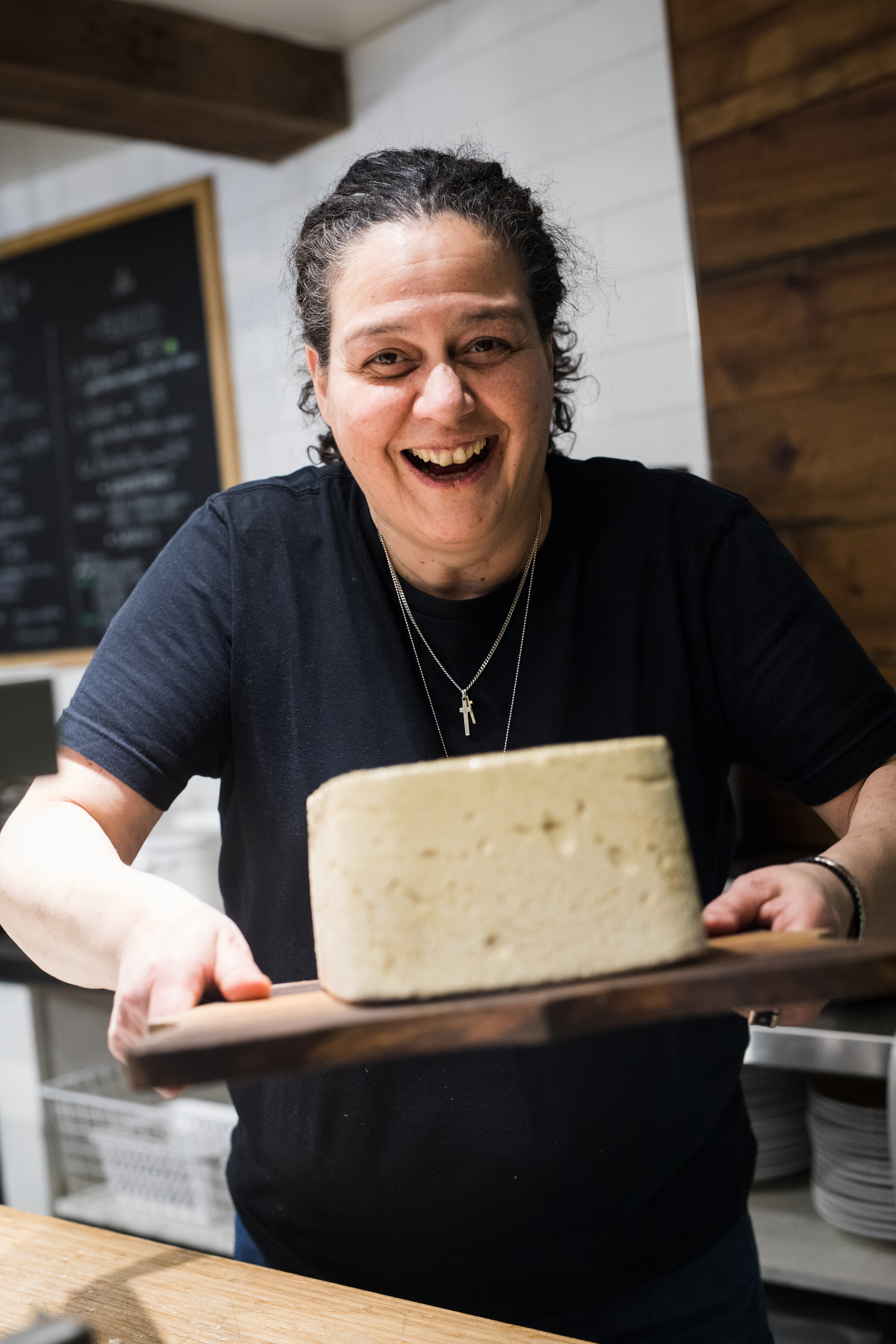
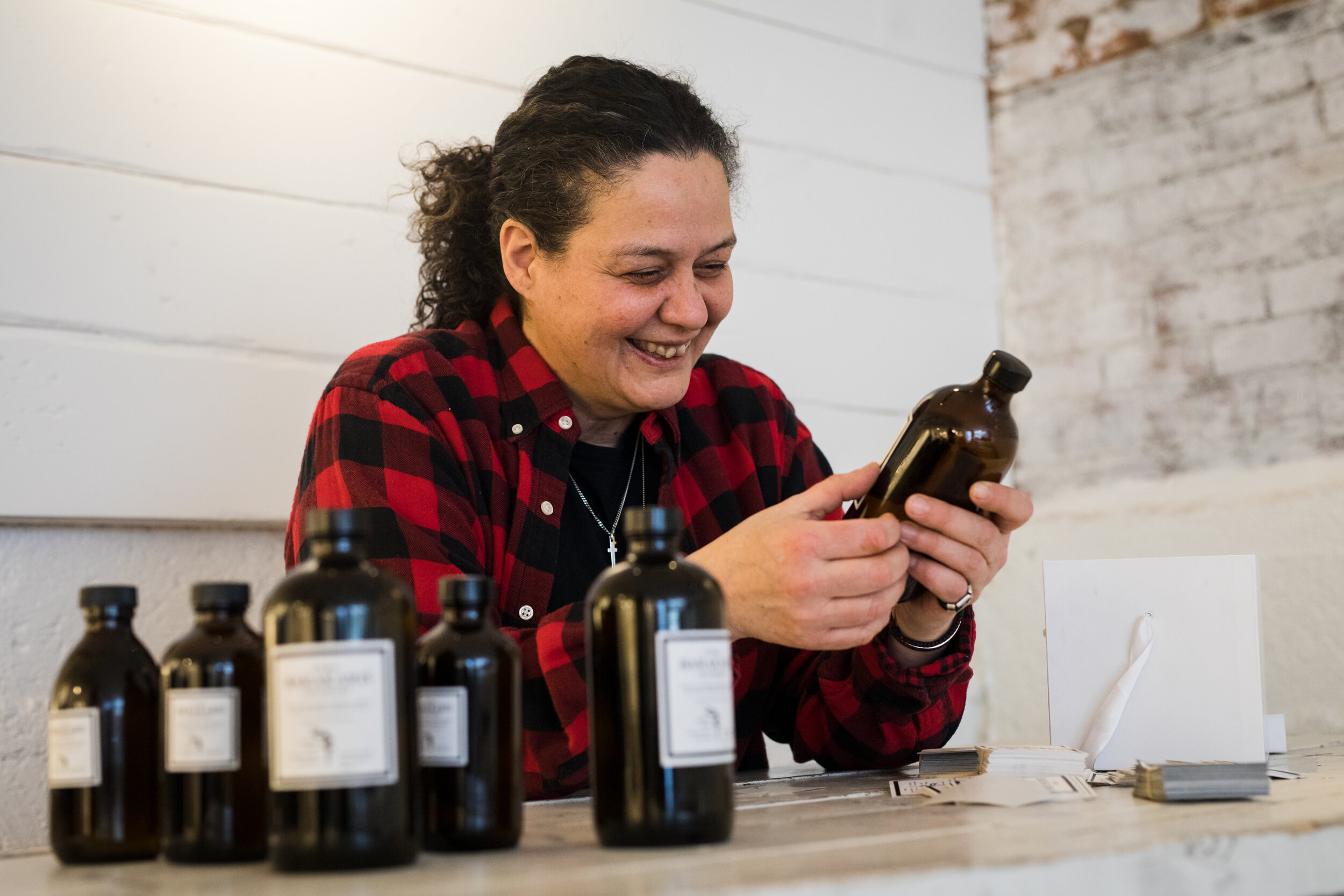
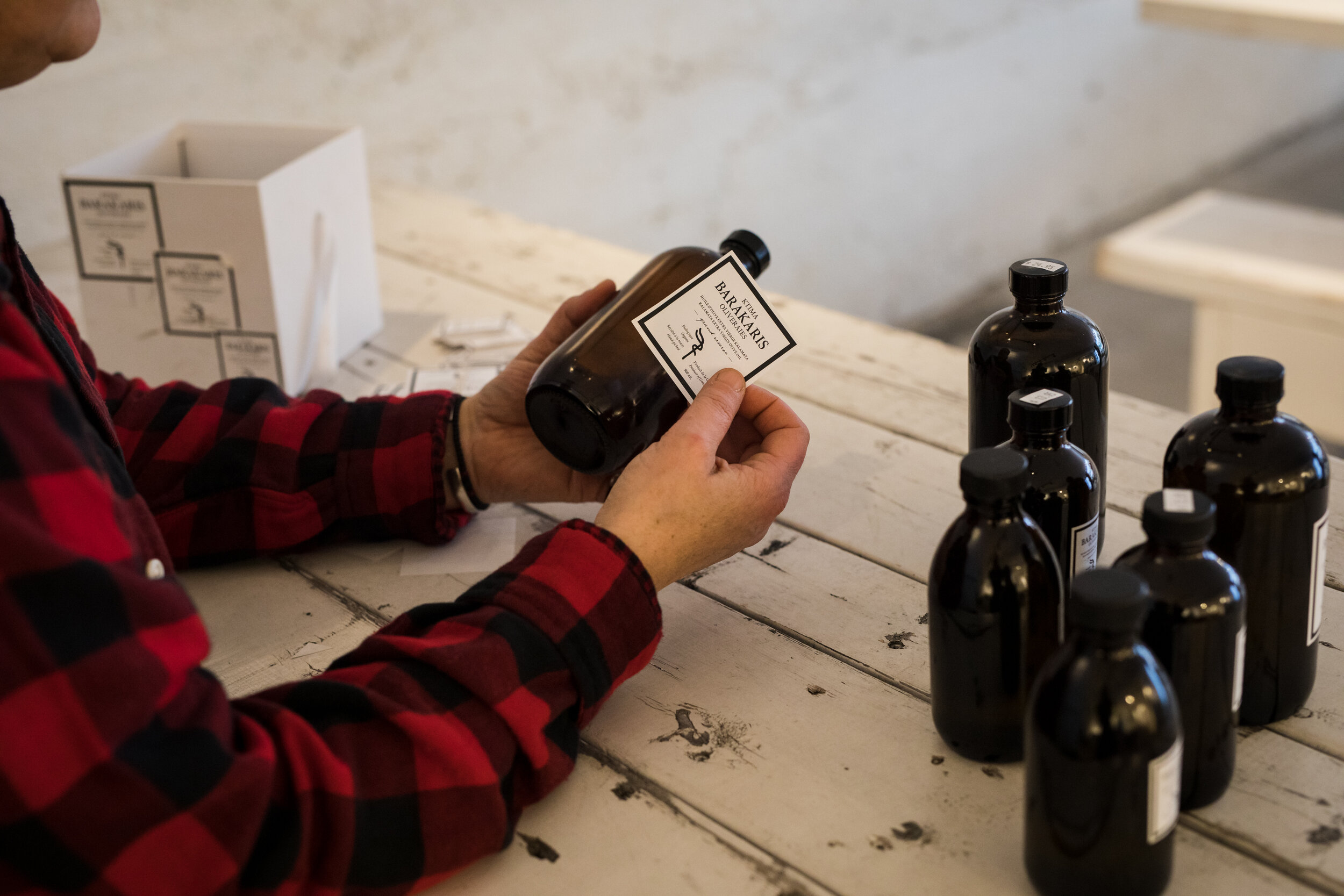
Raised in a Greek Orthodox home, Maggie is a first-generation Canadian born to immigrants from Kalamata, Greece. Growing up, Maggie lived with her parents and sister, as well as her grandparents. “My grandparents raised us. My parents were at work making a living and my grandparents were at home with us,” she explains. “So much of what I learned comes from them. Because we had the chance to live with them, I got to hear so many of their stories and I’m grateful for that. They instilled great values in us.” Reminiscing about her younger years, Maggie reflects about how hard it must’ve been for her family to emigrate to Canada. Not speaking the language, confronted with their own survival skills to make a life for themselves in a foreign (freezing) land, ingrained with fear from the war, family, she realizes, is all they had. She explained how the Canadian government paid a hundred dollars a head for labour from Greece, so a lot of people flocked in this direction. She talked about how her father worked food-to-mouth building business after business trying to catch a break and make a life for his family in Montreal. He put in a lot of hard work, he suffered greatly, yet after a few failed attempts, Maggie’s father started a meatpacking company that turned things around for their family. Out on Park avenue, where many of the European immigrant families lived (think Mordechai Richler’s The Apprenticeship of Duddy Kravitz), Maggie’s instilled sense of community and contribution put her to task.

Spending mornings working to help her family in the meat factory, Maggie would make a little extra cash so she could pay for extra-curricular activities, Maggie says: “I remember cutting 300 pounds of meat at 8 years old, hands all the way down a machine. I mean, covered in meat, so I could make enough money to go see a movie at the Rialto. I would work every Saturday morning until 2pm, for what? To make enough money to see a movie. That’s crazy.” Crazy, but Maggie’s work ethic can find a clear thread to her past, learning to take pride in a job well done, the importance of being self-sufficient, and pitching into the family business to serve the greater good.

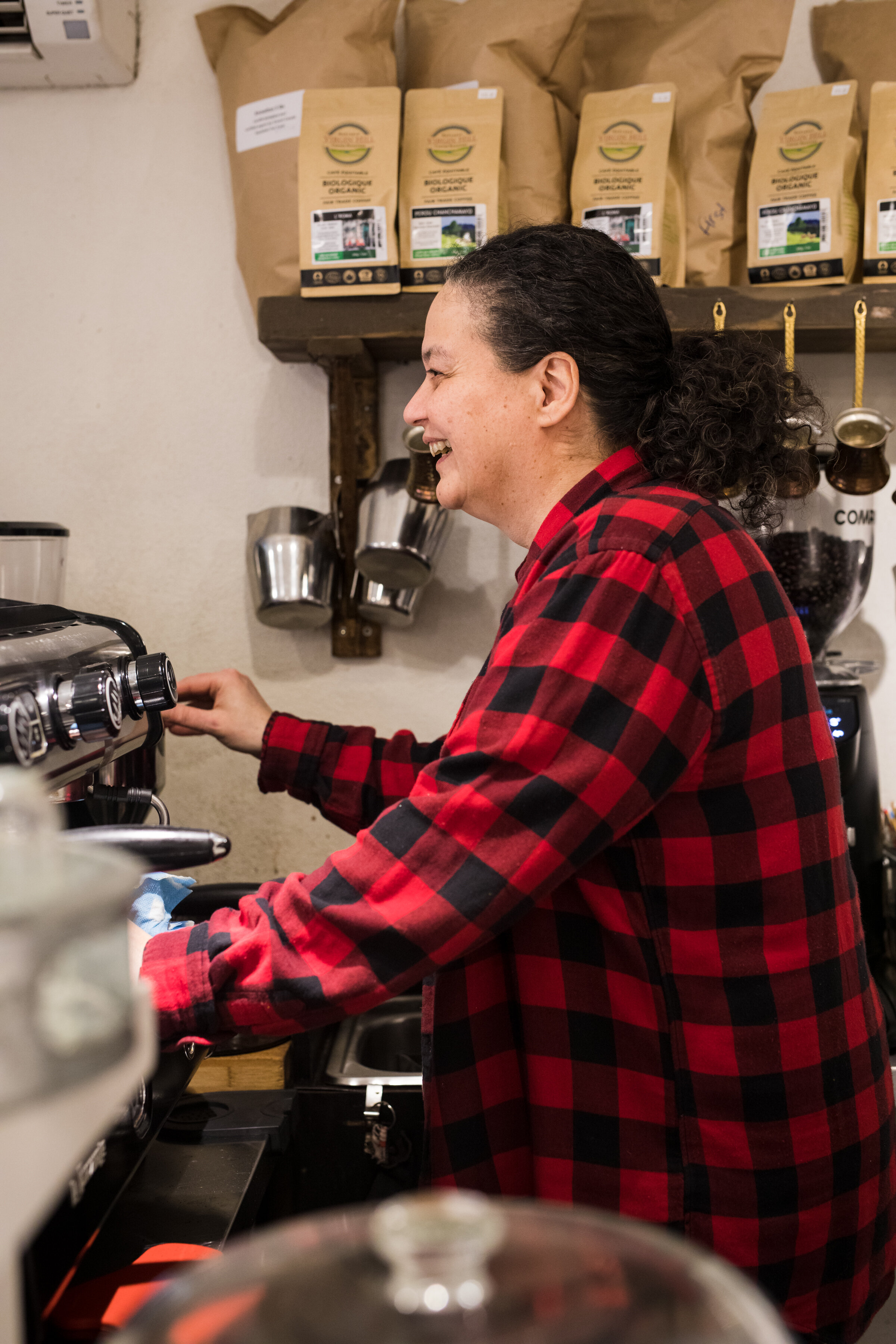
Always connected to her cultural heritage, Maggie grew up amidst a Greek community in Montreal, but she felt a constant pull to the mainland. In 2013, Maggie decided to leave Montreal for a few months and learn more about herbs and olive oil straight from the source with the intention of returning and starting her own business. It didn’t take long for nature to seep into her pores and teach Maggie one of the most transformative lessons of her life. “I grew up around meat, I worked with it, I ate, what have you. But I was disconnected from the fact that meat is an animal,” Maggie recalls. “I can still remember sitting on the top of a mountain, looking out, feeling the energy of the earth under me and all around me. I realized just how much of an urbanite I was and exactly what that meant. The city life was noisy, it divorces you from really understanding what you are eating. But in Greece, with the serenity of the quiet life, it all became clear.” Maggie returned to Montreal, and began the next chapter of her life: Mouton Vert. A real farm-to-table experience, Mouton Vert is a manifestation of Maggie’s values: simple, biodynamic foods, and a healthy more sustainable way of living. Having poured her heart and soul into her restaurant, Maggie created a home for herself at Mouton Vert. Inspired with the same traditions she grew up on, Mouton Vert is Maggie’s community, her family, her home. “I’ve created my own version of Greece right here in NDG. I’ve fallen in love with this place, and because of MV, my life is full. It’s the hardest I’ve ever worked, but it’s the happiest I’ve ever been.”
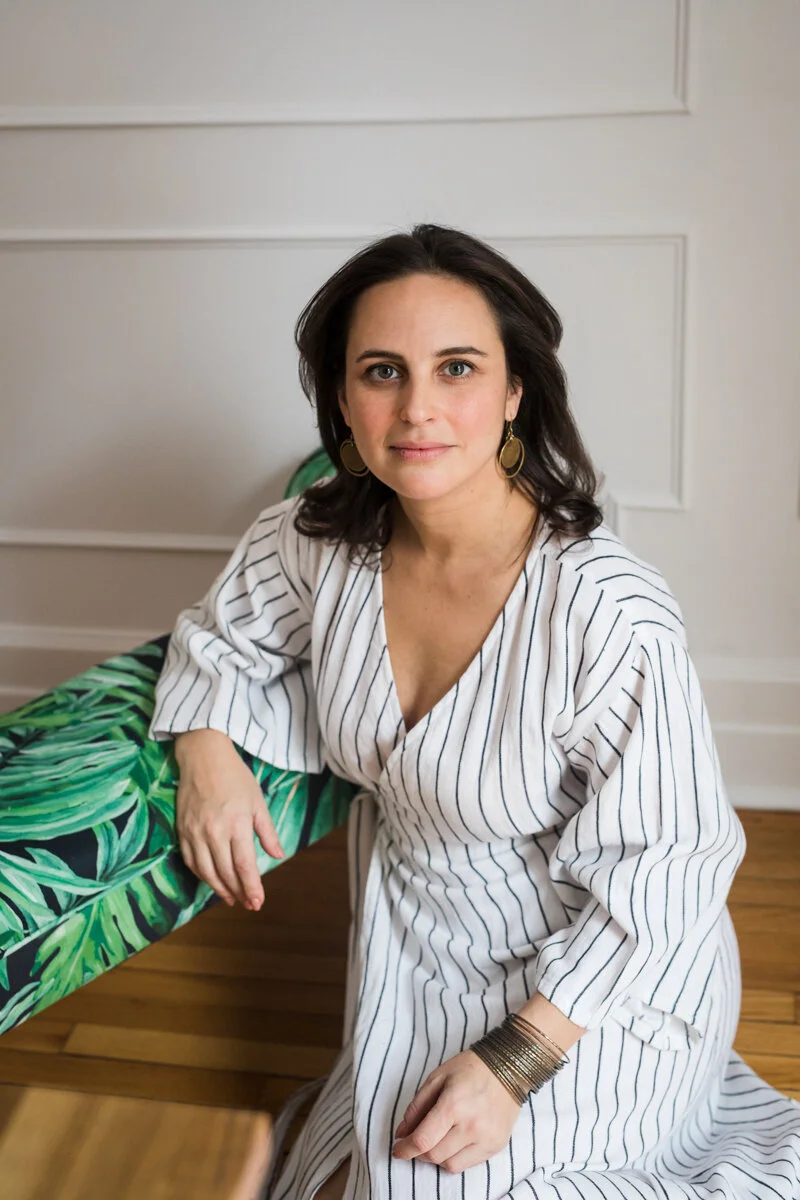
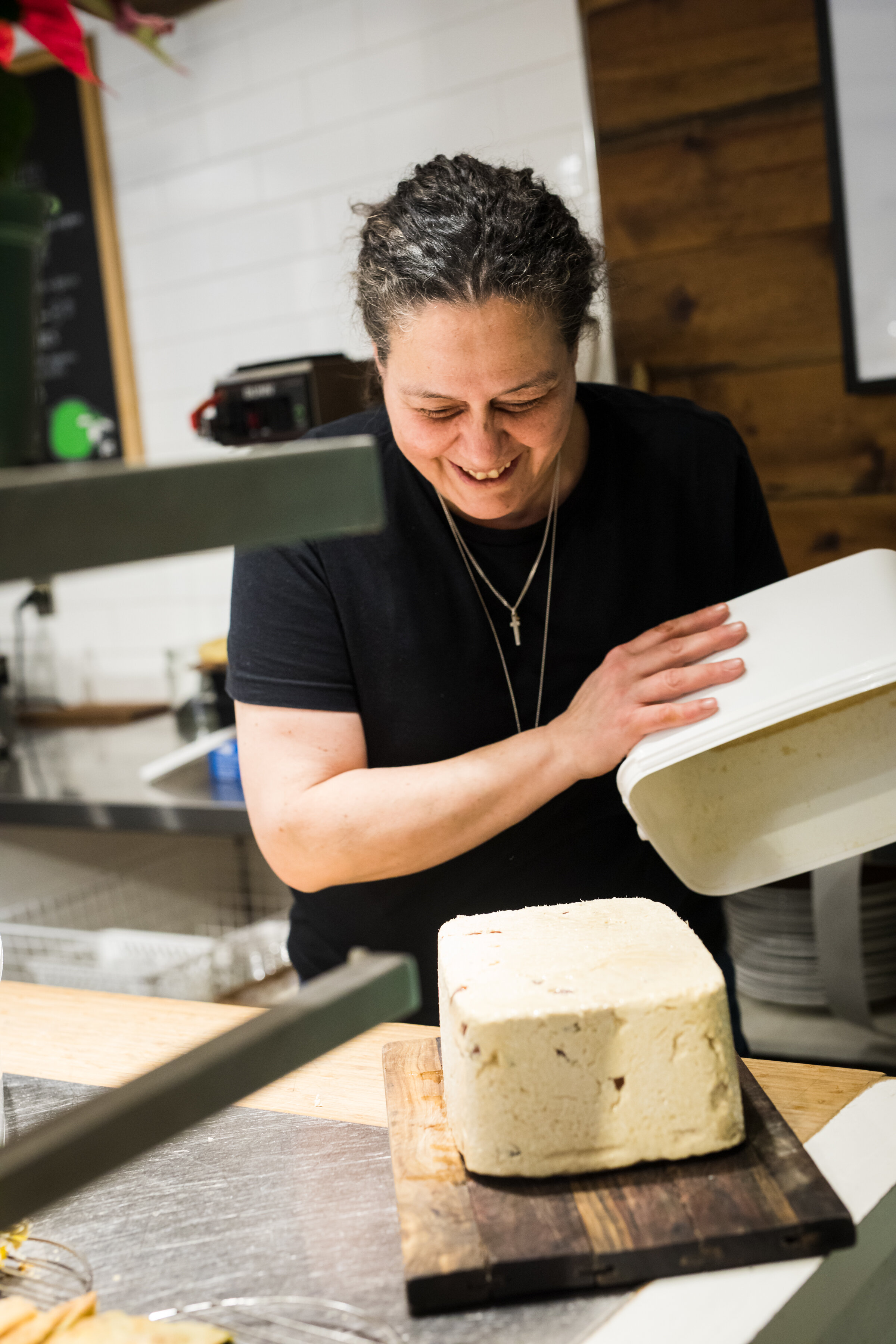
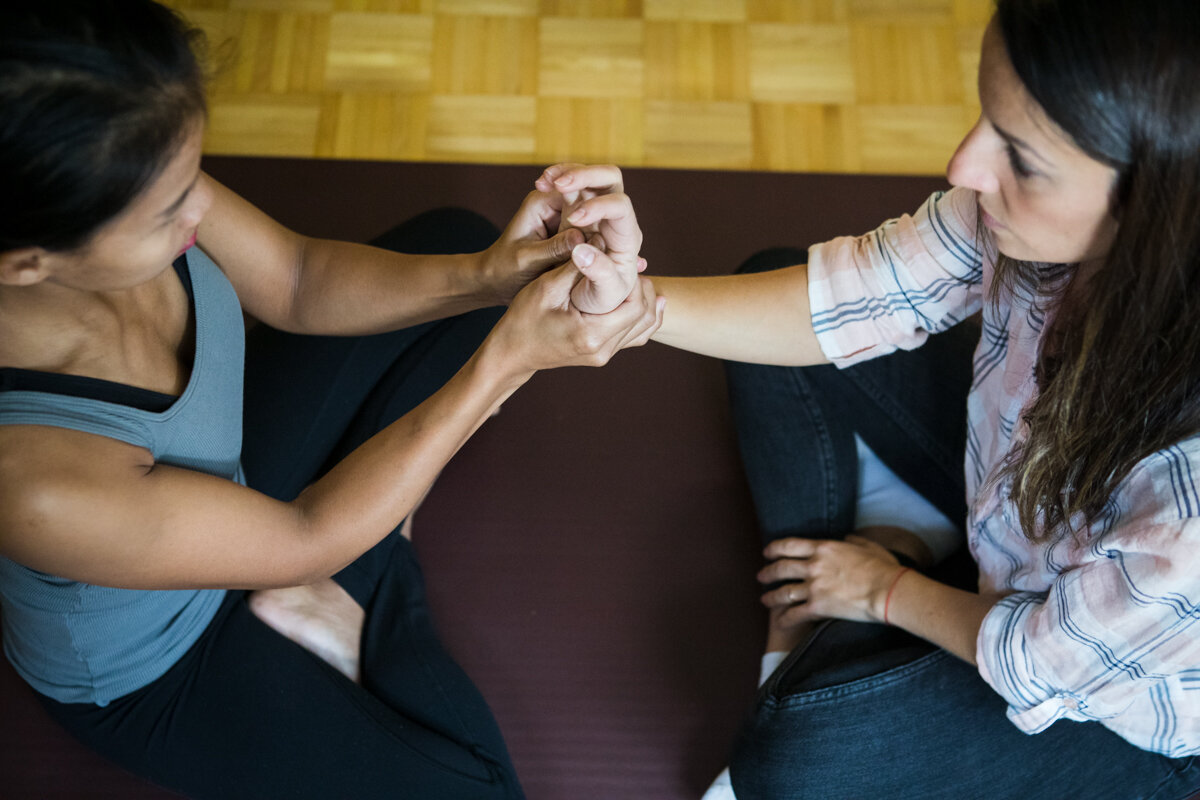
Growing up in Montreal gave Maggie a lot more freedom of self-expression than she would’ve had had she grown up in Greece. As she grew aware of her sexual orientation in her early 20s, Maggie ruminates about how hard it would have been to live as an openly gay woman in her hometown of Kalamata. She is grateful that regardless of the challenges she’s faced in her home here in Montreal, she still feels complete acceptance to be the person she is, because her family supports her as long as she is happy. With remarkable insight, Maggie’s resilience lends itself to understanding how fortunate she is to have had a profound relationship with her family members, who have all had a crucial role in shaping her belief system and way she sees the world.

profile-projects

“I was taught philotimo: respect others, take pride in your community, and think of others before you think of yourself. This is an important lesson, because it teaches you to value those around you; it teaches you to value the greater good.” Maggie’s sense of ‘the greater good,’ which seems to extend far past her immediate family, is in consonance with Robert Baden-Powell’s belief that we should “leave the world a little better than you found it.” A quote that resonates with the essence of what Maggie brought back with her from Greece when she brought Mouton Vert to our city. With a sincere sense of loyalty to her beliefs, Maggie fills our hearts with warmth, our bellies with healthy foods, and brings laughter and love to anyone who has ever walked through those Mouton Vert doors.

Speaking Her Truth

Written by Alecs Kakon

Photos by Jen Fellegi

When there is a vast dissonance between the internal world and the external being, there is no mirror clear enough to show you what you truly look like, not from the inside out at least. If left to the thoughts and beliefs of others, I’d be in a constant state of displacement, a perpetual feeling of loss. Try as I might to be transparent and show my true self, my identity would be fuddled and convoluted with what people had projected onto me. One thing I heard consistently throughout my lifetime, still today, is that I had a privileged life and that I wouldn’t understand what true hardship was. So, my public persona wrestled with being misunderstood for only a moment before I slipped into becoming exactly what people expected. In public, I was extroverted, loud, wild and fun. I always knew these were merely symptoms of my inner alienation, but I adopted this outer shell, and somewhere along the way, I became her. I was a ball of confusion and I couldn’t say for certain what was truly me and what was this avatar I created, this person I performed. Eventually, it all caught up… it always does. There was a constant feeling of being out of synch. Every misstep resulted in broken bones; every mirror, my shattered self. Resetting and heading back to ground zero, the journey has been long, but I found the path that led to my inner child. I visited with the little girl that was and I sat in the dark with her, I played out her sadness. I confronted my fears and in my quiet reflections, I learned that no one can claim jurisdiction over me, because I control what’s inside. I decide what I think and how I feel and who I want to be. In these incantations, I have found a true sense of freedom and I have become the woman I always longed to become. Sitting down with Joëlle, I learned that what happens in our lives are experiences not meaning-makers (this thought process immediately led me revisit the psychological term gestalt), speaking your truth will set you on your path, and that ultimately, happiness is a process worth working at.

profile-projects

Living a simple life with her mother, Joëlle was 3 years old when her father was released from jail and entered her life. Although she was too young to understand the immensity of the real story, it wasn’t long after his reentry that her mother and her were in physical danger and had to flee their home. Living a life akin to witness protection, Joëlle and her mother found a new home-base, and before long, Joëlle had a new step-father in an obscure town out of harm’s way. Growing up, Joëlle and her mom had a bond based on truth-telling and camaraderie. It was an unconventional mother-daughter relationship, but one she enjoyed, and so she never questioned that pieces of the story might have been conveniently left out. “I didn’t know much about my father or why we were in hiding, but I knew we lived a life filled with secrets and that we couldn’t say much to anyone about anything,” Joëlle remembers. “I also felt that I had an enormous responsibility to my mother to keep her happy and smiling.”

It took over two decades for the truth to begin leaking out. Little clues would arise in the form of an estranged uncle at 19 years old; a year later, she would meet her father for the first time visiting him in prison; and, finally, at around 25, Joëlle was confronted with the story of her life. “Piecing it all together, I learned that my father was violent with my mother, but it was only when he laid a hand on me, that my mother left him. My mother saved us from impending violence. I was the source of my mother’s courage to leave, and all of a sudden, everything made sense.” Smothered in her love, Joëlle began unpacking the true nature of her toxic relationship with her mother. “I always thought I was this complicated person, when in fact, I was quite textbook. My mother was loving but I understand now that it was a trauma-bond. So even though I had all this love, it was a possessive and self-absorbed kind of love, serving the good of my mother most exclusively.” Holding herself together by the grit of her teeth, Joëlle continued to be a well of happiness for those around her, but deep down, a depression was brewing. The confusion was only further exacerbated by the lack of empathy anyone around her offered. “People would often tell me that I had it all, but if I had it all, why did it feel like this inside?” The tension of feeling misunderstood was rooted in the dissonance a life of secrets creates. Truth becomes opaque, blurring your capacity to know and be yourself fully in the world. As more truths began to surface, Joëlle’s mirror got less foggy.

As a repeat offender, Joëlle’s father was in and out of jail and therefore, in and out of her life. Her step-father, a stable father-figure in her life, divorced her mother and decided to join a cult on her 16th birthday, and so Joëlle’s family life had once again taken a turn. She was merely 17 when she decided to leave home and move to Montreal on her own. “I always had this feeling that my real life was happening somewhere else, anywhere other than where I was, and that if I went to that place, I could be my true self,” Joëlle explains. “I just always felt out of place. Growing up, this visibly coloured kid, I looked different than everyone in my town, even my family. I was bullied, I was called dirty, and I never felt like I was good enough. I fell in love with so many guys and no one ever loved me back, not the way I loved them.” Something was missing inside of her, a deep hole that she felt could be filled if she had had her father in her life.

In her 20s, her father was put in a hospital undergoing psychic evaluation. Unlike her visits to the prison, a hospital visit meant she would now be able to physically touch her father for the first time. “I remember the first time he hugged me. I had yearned for this moment, this protection, this hug, and then he hugged me and I thought, ‘I never want this man to touch me again. It just made me feel so sad and vulnerable. From then on I couldn’t visit my father anymore.” The pressure of being there for her father when she hadn’t come to grips with the impact their relationship had had on her, was beginning to weigh on her so much that she was bursting from within. “He abandoned me over and over, and I just couldn’t forgive him.” Abandonment had become a theme Joëlle was becoming all too familiar with as she started to puzzle together her life story. Her father, her step-dad, even her mother were all sites of displacement, but as Joëlle continued to grow, she become empowered with the knowledge that her experiences don’t define her, she has control over her narrative. With a tremendous amount of introspection and soul searching, Joëlle has cultivated a world replete with meaningful friendships, safe spaces, and an authentic sense of happiness. “It’s taken me so long to be happy and find friends and real love, I’m going to protect it with everything I have no matter what.” Her precious happiness is tow, Joëlle’s laugh is fiercer than ever, because it truly bellows with joy.

profile-projects

I don’t believe everything happens for a reason. That is faith’s way of bargaining with or intellectualizing our past to make it more bearable. Some events are thrust upon us, and because we are strong enough, we can make sense of it all. We are storytellers, that’s how we make our past more palatable. We write our story, and if we follow the constellation of past to present, we have the ability to choose what we keep and what we discard, what matters and what can be thrown away. But before we do that, we need to stand in our truth, own it, and make our minds and bodies a safe place to live. With a fervent commitment to facing reality, Joëlle, along with co-founder Desiree, created Les Lilas Society, a safe and brave space to explore our stories and share them with the world. Through the experience, she has narrowed the lacuna between what she feels inside and what she shows the world, finally becoming one Joëlle. “I always felt special, but I didn’t understand why no one else could see that in me. I was stuck in the dark, because I hadn’t turned on my own light.”

Fragments and Meaning

Written by Alecs Kakon

Photos by Jen Fellegi

*Trigger Warning

Some people just know who they are, while others’ identities form like a constellations over time. I’ve always stood in awe of those who had figured themselves out early on for so many reasons, namely, because the concept felt so foreign to me. Perhaps it’s because I only recently started to heal and so am now ready to stand in my unobstructed truth. I can’t say for sure, but it’s only in the past years, in becoming a mother and finally working through the traumas of my life, that I’ve stepped into the light and feel a sense of alignment with who I am. It’s tricky, learning the ins and outs of being human; the soft and hard skills needed to navigate all of the socio-emotional situations we live through, which, inadvertently, shape us as humans. I lacked a lot of those innate skills, and like most, had to learn them in the field. I didn’t build my narrative layer upon layer, rather I lived unrelated periods that floated around one another like silos, one a reaction to the other, never an extension of. It took a long time to untangle it all and make sense of the overarching narrative. Anchored in my past, stunted psychologically, I can now look back and see connections, but, incidentally, I barely identify with the person I once was; I almost can’t believe that was my life. Regardless of how long it’s taken me to come into my own, I’m here now, and all of the experiences I’ve had along the way have irrevocably contributed to the individual I am, and I’ve accepted that. I’ve excavated parts that once infringed on my agency and I’ve transformed those moments into empowering aspects that have given me dimension. That’s how I’ve made sense of it all. Sitting down with Michelle, we talked about the disorienting task of aligning with one’s purpose, and the fractured moments of her past that are retrospectively synthesizing with poetic fervour, and what it feels like to confront the true Michelle in the mirror.

profile-projects

A precocious child, Michelle’s home growing up was made up of disconnected members. Teaching herself basic life skills, it became apparent to Michelle at a very young age that she had to nurture herself. “I taught myself to read and wash my own hair and just take care of myself,” she explains. “There was a lot of chaos around me and I had to figure things out on my own. I didn’t want to be needy.” Making things looks pretty on the outside, so no one would see that she was falling apart on the inside, Michelle was barely eight years old when the stress of being in charge of herself and feeling responsible for others became too great a burden to bear. At 10, Michelle found the theatre. “I had no friends and I was miserable, but I knew I was different and I liked that about myself. I was imaginative and I was a good actor,” she says. “I thought that if I would become a famous star, then people would know who I was and have to like me.” Finding a sense of belonging amongst theatre folk, Michelle felt she had found a place where she fit in and could thrive. However, although her love for the theatre world bloated her with a sense of purpose, certain aspects of performing exacerbated her shrinking confidence. “I loved that I was a good actor and singer; it’s something I valued about myself. But, there was still this idea of external recognition, this validation that comes with performing. You literally get a round of applause when you do well, and so in my off-stage life, the lack of clapping was tangible.” Mirroring a projected image of what was expected of her, either at home, in a role, or with friends, Michelle’s little self-worth started to play itself out.

profile-projects

It was only recently, in light of the #MeToo movement, that many of Michelle’s repressed memories began to surface. “I entered the acting world young. I was 10, but my friends were 16 and older. I remember going to a bar and getting drunk and having my first kiss with some guy my friend forced onto me. Later, producers would touch me against my better judgment and at one point, I just started getting inebriated and letting men do whatever they wanted. I became this physical thing and really disconnected from my body,” Michelle explains. The sundry iterations of sexual violence touching on all aspects from harassment and degradation to assault and explicit forms of sexual abuse, Michelle began unearthing painful moments from her past that had left their traumatic trace on both her mind and body. “One night, I went to do drugs with a man I didn’t know in a bathroom at a supper club,” she describes. “I didn’t understand what was happening at the time, but, he raped me. We then went back to sit at the dinner table with our group as though nothing had happened. When we all left to go to a club, a friend could see that I was visibly not OK. We left to drive up to the country house where everyone would later meet us. I fell asleep and when I woke up, the same man was on top of me. I pushed him off of me, but he simply laughed and told me I wanted it. When I told a few friends, I was laughed at.” An accumulation of humiliation, invalidation and commodification had started to slowly chip away at her, until, as she says, there was nothing left. Numbing herself to the pain, her poison was everything from drugs, alcohol, sex and partying. “I would get into my head and think, whatever this is, I’ll deal with it tomorrow.” Knowing that something was overtly wrong with what was happening, Michelle didn’t understand boundaries and she didn’t value her body. “I became less and less of a person and felt more and more worthless. I only recently started opening up about this stuff, before I would detach completely whenever I talked about it. I wouldn’t even call it by its name; it wasn’t rape until, I guess, I started to get more information about what it was. I know now what to call it. I’m mad for that little girl who let these things happen to her and didn’t know how to stand up for herself.”

Michelle’s escapist tendencies converted into a decade’s worth of travelling and living abroad; she raced toward a path of healing. “I realized when I got to Thailand that I was completely switched off. I wouldn’t let anyone touch me or hug me. I had a ton of anxiety and was suicidally depressed,” she explains. “I was 32, I lost my period, I was fat, I quit acting and I was completely lost.” Set on a journey inward, it took a while for Michelle to sit in the quiet without the noise in her head being amplified. “I was told to surrender to the process; to let go of whatever I was holding onto. I did yoga, meditation, and a ton of different modalities. It all worked until it didn’t, and I couldn’t understand the constant swinging between healing and hurting.” Like a pendulum anchored to that existential boulder, Michelle made progress in her self-discovery, but something bigger than her was happening on a physiological level. “I was in so much pain and it took a long time for the doctors to diagnose, but I finally learned that I had Thyroid cancer. One week before my 40th birthday, I had surgery to remove the tumour in my neck.” Now 44, Michelle lives with Tall Cell cancer, and despite the invalidating reactions of those who tell her that it is the “good cancer,” Michelle has developed a resilience to stand in her truth, as well as an acute self-awareness that has carried her on her multi-layered healing journey complete with a developing sense of self-worth and confidence.

profile-projects

Reconciling her self-governance, Michelle’s sense of self has expanded beyond the fragmented experiences of her past. No longer seeing herself through the prismatic lenses of others, her self-conception is a full-formed truth that has expanded her vocabulary and allowed her to finally see her true self reflected in her a mirror. “All the things I’ve lived through have made me who I am. I feel I had to go through it all to get to where I’m at. I’ve done the exploration tour, now I’m on a healing tour. I ask questions from a place of curiosity, not anger, and I am in tune with knowing that I have something to say, and people listen, because my tone has changed.” The perplexing characteristics that make us human can at times be registered with uncertainty. We can resist, we can rebel, we can react, but if we can learn to simply unlearn all the untruths we’ve absorbed about ourselves along the way, we can begin to value ourselves and all that we have to share. “I’m teaching myself boundaries and learning to say no. I’m worth more than the size of my jeans. I nurture myself. I don’t sleep with every man who buys me dinner,” Michelle explains. “It’s humbling to learn these things about myself, and I’m finally comfortable with being kind and gentle to myself. I’m more aware of my triggers; I can tune into that part of my body that is holding onto the pain so as to soothe my inner child. And, I’m learning to value myself more. Now I just need to figure out how I’m going to share all of this with the world!”

Family Matters

Written by Alecs Kakon

Photos by Jen Fellegi

Growing up in a big family, there is ample opportunity for tense moments to arise. Lots of big personalities and conflicting value systems are at play, and finding a healthy rhythm in a home like the one I grew up in was, and still is, a work in progress. I’m second of four children. We are all close in age. I realized quite young that I wasn’t a fan—or I should say, I wasn’t that great—at communal living. It was hard for me to always go along with what was considered “good” for the family, because I just wanted to do my own thing. This resulted in self-prescribed isolation, rebellious outbursts, defiant behaviour, and general resistance to what I then believed was herd mentality. And, I wasn’t the only one. My siblings, at some stage or another, spent the large part of their spare time cooped up in their own rooms to get some much-needed alone time. The chaos of constantly being surrounded, living in the noise of someone else’s party, (sometimes that someone else was me), was just more than any one of us bargained for. That’s the thing about big families, they are kind of hard to manage. But, in our case, family culture emerged later in life and we have all bonded in a way that brings us together often (minus quarantine… or actually, even in quarantine!). We share a few fundamental values, one being that regardless of our own set of values and beliefs, we grew up together, we are family, and we’ve kind of got our own exclusive members-only club going on. We’ve cultivated a cultural climate that only we are privy to. Our shared culture is what makes our family unique. You’ve got to be one of us to get “it,” because “it” has taken over three decades to harmonize. There were tumultuous times, but we’ve created something beautiful; we may hold different values, but we have all come to realize that family is one of them. Sitting with Nae we talked about culture, family, and how finding a connection between the two has been a more difficult challenge than she had originally anticipated.

profile-projects

Nae was born in Kawasaki, Japan and at about three years old, her family moved to her father’s hometown of Matsue. Always fascinated by languages, Nae’s first experience with English was at the National School where she would exchange letters with visiting professors’ children so as to practice what she learned. Peaking her interest, her affinity for English eventually led her to her choice to move abroad for a short time to fully immerse herself in both the language and culture. Curious about what was outside of Japan, Nae observed the homogeneity of her country and knew that there was more out there that she had to explore. “I was only 20 years old and I had no idea all the crazy things I would live through, but I knew that there was a whole world out there and I knew that that was a powerful thing for me to experience. I remember opening a small book with a list of language schools in Canada,” Nae recalls. “I was flipping the pages and saw that in the West there was a large population of Asians, so I kept flipping more and more east until I reached Montreal. That’s how I made my decision to move here.” And it was just like that that Nae packed up and left the only life she knew behind.

It took less than two months for Nae to decide that a year was not enough, and so was the beginning of her lifelong commitment to Montreal. At the language school she attended in the city, Nae met her first husband, a young Chilean man whose family moved to Montreal to flee the Pinochet regime. Within one year, she moved into his family’s home. Within two years, they were married. Exposed to yet another culture, Nae had absorbed Spanish with the same zeal she had for English. A few new languages under her belt and fully integrated into a mixed, inter-cultural family, Nae was living what she had set out to experience.

profile-projects

Less than 5 years into their marriage, Nae realized that her then-husband was mixed up with the wrong crowd and getting into drugs. He had decided to move back to Chile for a while to straighten out, and when he moved back to Montreal, they got pregnant. But, as the story goes, it didn’t take long for him to get back to his illicit activities and cheat on Nae. “When I had my son, everything became clear to me and I knew I couldn’t keep doing this.” Nae called it quits and at 26, she moved out onto her own and lived as a single mom. Taking care of herself and finding her way, Nae adjusted to her new life with optimistic energy. On her own, she was able to give her son the support and love he needed, but the one thing she couldn’t give him was family. “I prepared myself for the option to move us to Japan so that my son could be raised surrounded by family, but I couldn’t bring myself to go back,” Nae remembers. “Luckily, my ex-husband’s family around and they were very involved in his life. So he always had a sense of community.”

It was by the time her son was about 8 years old that Nae met her current husband. He had moved to Montreal from France and had a son the same age as Nae’s who was living with his mother in Paris. Nae and her husband had a baby girl together when her step-son came to live with them from Paris at 14 years old. “It was hard to adjust to all the different habits of all the different members in one home. We all came from different places and had our own ways of doing things,” Nae explains. “There were conflicting characters and having it all happen under one roof was very rough for me.” Blended families have a unique set of challenges that I will personally never understand, but listening to Nae, what emerged was a lack of commonality; all different backgrounds, languages, perspectives and cultures living in close proximity, their home became a site of disharmony. “All I dreamed of us was having a unified family, all of us together doing things as a family,” Nae says. “But now, I’m struggling to find the meaning of family. I know that when there is a gap between the love you put out and the love you receive, things start to shake, but I have yet to find the balance that keeps things smooth.”

profile-projects

Confronted with trying to define the concept of family and bending it to fit her reality, Nae can say with certainty that for her, she’s always equated family with comfort; a space where one can feel calm. Although peace can be found in quiet moments, Nae is searching for the stillness in her heart that perhaps only reconceptualizing “family” will provide. With radical courage, Nae ventured out into the unknown, she built a home and nurtured a family made of many moving parts. Embracing the tense moments, Nae meditates on the belief that growth is underway. “I wish my boys will find their way and that all my children will feel a sense of belonging and community. It’s hard for me to figure it all out right now, but I know the answers are hidden inside me.”

The Practice of Love

Written by Alecs Kakon

Photos by Jen Fellegi

Finding ways to help others, yet also reserving space to help yourself. Allowing yourself to be taken care of while also centering your life’s work around helping others thrive. Is it about a harmonious calibration of both extremes or an intentional presence at the nexus of it all? Perhaps, the only authentic place for she who lives both truths lies outside of constructs in a life free of binaries. Perhaps she lives at the fertile intersection of herself amidst others, a space of reciprocal learning and expansive self-discovery. With an ethos of non-conformity, yet never identifying with rebellion, Diana talks about her practice of self-love and how showing up for herself has injected her life with unparalleled meaning. Realizing at a young age that the world is filled with double binds and emotional traps, Diana has set out to challenge limiting beliefs so that she can continuously evolve her fervent free spirit.

profile-projects

Diana’s family moved to Canada two years after she was born. After having spent a short stint in Saudi Arabia, her Egyptian parents knew that if their two daughters were to have the basic human rights that they felt their kids should have, then they would need to leave the Middle East. Ottawa-bound, Diana’s parents left a life of comfort and luxury for the unknown. Her mother’s medical practice transformed but found its footing in the health care system, while her father’s work as a civil engineer was a life he left behind as he struggled to make it as an entrepreneur in Canada. “Everything we came with dissipated into struggle. I watched my father go from venture to venture and what I observed was this feeling of not enoughness.” Balancing the evidence that she had everything she could’ve possibly wanted against the feeling that there was a lack of something, the divergence of truths was Diana’s first confrontation with the dualism that qualified her life. “I had this innate guilt that he had sacrificed everything for me. I had to make it worth it. I had to succeed.” Her parents’ sacrifice was a guilt that felt like her burden to carry yet was the source of her motivation to succeed. As a grown woman, Diana reflects back on the double bind and abandons the limiting narrative; with Kierkegaard spirit that she would not live a life of either/or, Diana took the time to journey inward and accept the responsibility of her own life. She cut the rope that pushed and pulled and was propelled by her own belief system that a woman should stand in her own worthiness and live her life to its fullest potential. She abounds with confidence, and with retrospect, Diana repurposes past feelings of ‘not enoughness’ with a world of plenty, “because, there are ebbs and flows, but if I observe the world around me, I lack for nothing, but should embrace more of everything.”

“A big part of my story is this feeling of ‘being taken care of.’ But, I realized that I had to give myself what I wanted and start to take care of myself,” Diana explains. Learning that autonomy would be the source of positivity and self-reliance, Diana realized that lesson was a defining moment. By showing up for herself, Diana abandoned the first label that trapped her. She was no longer a child, she was no longer dependent, and she had a world of choices in front of her and no one to tell her what to do or who to be. “When I met Jack, it was the first time I stood in my own space and didn’t seek validation. I watched myself navigate the relationship and stand in my full worthiness with a man,” she says. “I watched Jack reflect my deservingness.” Diana explains that in her line of work she helps people find awareness in their love lives and the practice begins with self-love.

Looking back onto her childhood, she pinpoints a transformative moment as she remembers her internal strife with body image. She poignantly asks: “How could I measure up to society’s, or a man’s view of what is beautiful?” Cutting out sugar at 7 years old and being “positively” reinforced that she was looking good, Diana’s dysfunctional relationship with food began. Becoming “healthy” found its shape in bulimia. For 3 years Diana attempted to exercise control over herself through her weight, when she finally realized that the damage she was doing could cost her everything. “I started practicing self-kindness, choosing to say and think nice things about my body and honouring the body I have,” Diana explains. “It’s a practice I continue today. Whenever I feel the pattern starting, I step into love I am aware that I love my body.” With a simple belief that revolutionized her outlook, Diana has built an empire on teaching the practice of (self) love and is convicted to leave a positive mark on the world. “My vision is constantly evolving, but I know it comes through a female lineage. I help women remember their worth. We were born with it and the world slowly adds on the layers, but by becoming conscious of it, we can peel them back.”

profile-projects

Shattering oppressive binaries and living her truth, Diana’s ebullience is as infectious as her confidence mesmerizing. By releasing the traps of either/or, she has etched her own path of becoming and with that, an immense expansion of possibility has been unearthed. “My biggest challenge now is living a more intentional now.” Learning that she can bend time so as to loosen its constricting grip, Diana knows that living in the moment is what will allow her to “bask in the creation of it all.” Her refreshing perspective is informed by gratitude and a mindset of always giving back. By relinquishing the pendulum, she has learned that it’s not about finding the balance between two opposing extremes, but rather learning that one is an extension of the other and to enjoy the experience of it all.

Measuring Success

Written by Alecs Kakon

Photos by Jen Fellegi

I’ve always struggled with self-confidence. Measuring my self-worth in instances of external recognition, I never tuned into my own notions of what builds me up and makes me feel good. What I’ve noticed is that when I achieve a goal—anything from academic to professional success—I fail to feel any sort of accomplishment or sense of self-growth, unless it is externally praised in some shape or form. I logically understand that these are missed opportunities for feeling fulfilled from within and practicing self-love, but for some reason or other, this is how I’ve got on for most of my life. I work hard, I triumph (so to speak), and it goes uncelebrated. Without stopping to acknowledge my own feelings about my success, I end up deriving zero pleasure from it. Then I question what the point of it all is, why keep going, why reach? I’ve pontificated the source of this unhealthy practice, and have determined one faulty paradigm I’m locked in: understanding the meaning of value. Value is a big word and can signify a lot of things, and so to unpack it, I’ll use two points. First, value as in a commodifiable resource. The erroneous belief that if I keep collecting achievements, I will become worthy. But worthy of what? Admiration? A pay check? Status? Is any of that what I’m after? With sincere knowledge that none of that would fulfill me, I have come to realize that all of my successes have gone unrecognized because the value placed on them has not been determined by me. The second definition of value, and of course the one I am now working toward, is positive self-worth. In order to see and reflect the value of my work, I must practice the daily ritual of self-compassion. That way, when I achieve moments of success, the value of said accomplishment will fill my bucket rather than be sieved through. Talking to Mira brought a lot of this to light. Confident, self-possessed, and free of external constructs, Mira has developed a definition of success that evolves as boundlessly as her perennial self-growth.

profile-projects

Born and raised in Montreal, Mira lived two opposing realities all throughout her lifetime. Exposed to financial prosperity, her family at large lived the conventional definition of wealth and happiness. Challenging her own upbringing, her mother resisted the belief that money was the identifying factor of success, and retreated to raise Mira with the bohemian notion that community and creativity were the foundation of happiness and authentic living. While Mira drew immense understanding from both worlds, she ultimately realized that the tension between the two existed not in the conflict that made them distinct, but rather in the basic tenants that made them very much the same. Both rejected the other, and therefore lacked the harmony of the big picture. Living in a vacuum, each of the ideologies functioned: one saw the outside world as the defining factor of success, neglecting the self, while the other cultivated the self, negating the operational world we live in. “Ambition was intimately tied to wealth on the one hand, yet on the other, I had this shame around money,” Mira explains. “I was exposed to a lot of struggle and financial instability, and even though I never had to be curious about how the other side lived, I did spend a lot of my childhood figuring out which side I identified with.” Always celebrated as an individual and encouraged to challenge limiting beliefs, Mira realized pretty early on that she didn’t have to alternate between both worlds, instead, she could integrate each of their pillars and create her own reality. “I am both and I am neither,” Mira explains. “I choose what I am and I am finding a new breed of eccentricity that drives my success and determines my value.”

profile-projects

Mira’s capacity to dream is limitless as her abundant mindset opens her world to all of its possibilities. Rather than coming from a place of resistance, she has created a new space charged with positivity and resilient energy. Acknowledging that for some, success is intimately tied to compensation, Mira explains that she “never saw success and money to be one in the same,” Mira explains. “Money is a neutral concept until you add a charge. It is pure to begin with, and for me, my success is driven by value, not greed.” Finding fulfillment from within, Mira’s relationship with success fosters self-growth, self-love, and self-worth. Prioritizing social impact and showing up in meaningful ways, Mira aligns her values with the idea of wealth, however for her, wealth manifests in different ways. “I have visions of what I want in my life. I see the home I’ll live in, the trips I’ll take, and I have no shame in wanting to be financially stable, because I believe in contributing with wealth and all that that entails.”

profile-projects

I’ve come to understand that value is a construct that needs to be defined time and again as a part of the process of self-edification. Looking at success from an external elevation will always leave me in a position of feigned fulfillment. By removing validation from the equation, there is room for true fulfillment. Living at the centre of two opposing worlds has a certain advantage in perspective as Mira was able to extract the lessons she needed in order to forge her own path. With acute awareness, she also figured out that the two seemingly opposite worlds were in actual reality two ends of the same string. Funnelling her understanding of the world through the binary reality she lived in, Mira departed from the dichotomous messaging, and  became quite in tune with her own belief system. Living a life replete with bliss, contentment and wonder, Mira embodies success in the shape of meaning and purpose. She is what true wisdom looks like in this age of information.

The Power of Choice

Written by Alecs Kakon

Photos by Jen Fellegi

Is it possible to live a sun-kissed life? to marry your soulmate? to feel truly happy? These are questions I’ve contemplated in abundance; I’ve explored the possibilities of this type of life and have indubitably come up with one answer: no. Wait, I rescind. Yes, but only fleetingly until a storm comes and washes it all away. Super dramatic, I know, but it’s just that life is so complicated and painful and sometimes horribly ironic, like in the-joke’s-on-you kind of way, that I just feel it’s hard to come up for air and really feel that cool breeze on my cheeks and think, ‘yes, I’m exactly where I’m supposed to be.’ I practice gratitude and I am certainly thankful for what life has given me, but I’ve never experienced a sustained happiness that weaves the moments of my life together; a joy that roots deep in my soul. While talking to Yaffa, I think it all finally hit me – it isn’t the things that happen in your life that make you happy. It isn’t a perfectly flawless life, or a blissful marriage that provides the perfect recipe for smiles and laughter. Nope. She taught me that it’s all about choices.

profile-projects

Yaffa has long-since started on a path of self-discovery. At a young age, although she admits she felt socially anxious and insecure at times, she was also quite cognizant of the fact that she had unconditional love, intimate friendships and was never at a lack of support. Her mother, a single working mom, gave her a sense of security in knowing that no matter what she did, she could always come home. “That kind of unconditional love gave me a lot of power and confidence,” Yaffa explains. I don’t think it was because Yaffa had such a perfect childhood, problem-free, that she is able to enjoy her happiness without ever having experienced pain. No, instead I think it is precisely because she was taught how to work through the pain, extract the good and understand that this too shall pass, that she was, and is unwaveringly able to move on, away from painful experiences, and feel true happiness.

Observing a strong parallel between her relationship with her mother and her relationship with her husband, Yaffa explains that she feels wholeheartedly and unfalteringly supported in every way. She is given boundless freedom to be and become, which ultimately enables and drives her happiness. Negative situations, hard times, and tense moments come up, but with the solid base they have formed, she is able to work through those fleeting feelings and extract the growth they provide. I started to understand that it isn’t because her marriage is necessarily better than anyone else’s or that their love is deeper (which it very well may be), but rather, her upbringing is a source of security for her; her formative years onward act as a bedrock for her, endowing her with the physical and emotional strength needed to acknowledge her worth, and let it shine. So come what may, because she can is equipped to handle it.

Feeling valued and having a sense of self-worth is not something to be taken for granted. Although everyone has their own inherent value, not all of us can tap into it, articulate it, and feel confident enough to let it speak for itself. In her mid-to-late 20s, Yaffa battled with an onslaught of bad experiences that could have had a detrimental impact on her life. “I lost my job, my dad passed away, I was in a terrible relationship, and I was depressed. Everything went bad,” Yaffa explains. “I was sick of myself and sick of my life.” It was a crucial time for her as it could have signalled the beginning of a down spiral. However, pulling from a childhood lesson that everything passes, Yaffa realized that things didn’t have to be the way they were. Circumstance didn’t have to dictate her emotional state. She had more control than she had afforded herself and it didn’t take long for her to tap back into that well of knowledge. Diving deep within herself to get in touch with what makes her who she is, Yaffa continues in saying that “heaviness isn’t who I am, my constitution is happy.”

profile-projects

So that’s the trick I guess. A happy constitution… where can I buy one of those!? The truth of the matter is that although we all have things in our lives that can be experienced as good, bad, or ugly, it’s not the experience itself, but rather our perception of said experience that has the greatest impact. Grateful for her life, her fortunate upbringing, Yaffa knows that hers has been one of great privileged, but I think what really stands out as the defining advantage was that she is aware that she always has choices, and if she can’t control what happens in her life, then at the very least, she can control how she internalizes it and how she allows it to affect her. Yaffa knows all too well that we set goals, but don’t always reach them; we try our best, but don’t always succeed. However, the effects of these “failures” is not in their non-achievement, but rather staying in that moment of defeat. It all comes down to choices. “I don’t know where I’ll go next, but I know my worth and I know what I contribute to the world. That is very powerful,” Yaffa says. Choosing to see the light, being on an active pursuit of happiness, and feeling grateful for every opportunity, I guess we can kiss our own life with some sunshine if we so choose.

Rebounding Memories

Written by Alecs Kakon

Photos by Jen Fellegi

Some wounds run deep. Some scars don’t heal. Sometimes, despite our logical understanding and greatest effort to overcome, the body—its very constitution—holds onto memories that shape the way we interact with the world. Sounds a bit too ethereal, but the truth is, although we cannot always remember the reasons why we feel a certain way or do certain things, the root is there, buried deep somewhere in the past. There are many moments in my past that stand out and inform my actions in present day. There are some traumas and incidents that draw a clear line to the way I feel and behave. I believe we all have these past experiences, even if we aren’t aware of them. Although not in constant reaction to some of those stand-out events, they’ve been viscerally absorbed, and as they seep into my today, I take pause to think about how much I let in and how much I choose to let slip out. When I sat down with Myah, we took some time to talk about childhood, parenting, and the cycle that links the two in perpetuity. Her intellect abounds, and so rationalizing what gives her life purpose revealed the precise location where anxiety settles; an angst that supersedes happiness, a “huge undertow of ominous potential,” as she puts it.

profile-projects

A young mother of two, happily married to her best friend, Myah fills her days with work as a freelance decorator along with her endless motherly duties. Although she spent many years in retail and product development, it was not until she became a mother that Myah truly felt she had found a sense of purpose in life. Becoming a mom was a natural extension of a role she filled as a young girl. Having always felt a large responsibility to look out for her younger sister, Myah often found that she’d fend for and take care of her younger sister much like a mother. All but four years younger, Myah remembers: “My sister almost drowned in a hotel pool when she was 6 years old. Nobody noticed. She was under for so long. I just reached down and grabbed her. I can’t remember the details, but the memory is seared into my mind. I come back to it a lot, especially now with my own kids.” A traumatic experience to have lived at only 10 years old, the fear of losing the person closest to her, “my ally,” as she describes, is a memory that evokes sheer panic, even today. A vivid event that is now reignited as she rears her own children, it made me think about how we all trudge ahead, leading with our past. Our memories trigger us in more ways than we know and we can’t always rationalize the type of anxieties they provoke in us.

Our psychoanalytical forefathers have already well established that trauma leaves a trace on our bodies and minds. Always going back to that traumatic origin to find reason for present action, the traces have a stronghold in the way we think and feel about everything from ourselves to others. Another governing thought that comes to mind is the idea of the “eternal return” – living in an infinite cycle, the past existing in a never present. Both of these concepts crystallized as we continued to speak, thinking about how we are truly products of our past; our childhoods holding this hierarchical power over all subsequent experiences. For some, this may not ring true. But for those who have lived through hardship or pain in their formative years, it seems virtually impossible that the origin, that trigger, isn’t obviously transplanted into adulthood. As a child who was faced with the angst of losing the person who made her happiest, it’s only natural that today, the happiness she derives from her own children is fraught with worry, because “what if they are taken away from me?” Wanting to forge a new path in her own mothering, Myah devotes her time and energy to creating a home for her children that honours their innocence, rebounds their unconditional love, and meets all expectations. “It’s exhausting,” she laughs hesitatingly. “It’s exhausting because I feel so much pressure to never disappoint them.” It’s only when she takes a step back, sharing a moment of connection with her husband as they give gratitude for the overwhelming love and luck they feel with respect to their children, that she feels that much-needed calming force that reminds her that she is here, in the present—a logical certitude that needs to be constantly reiterated for fear of vicissitude. 

profile-projects

Having kids has been a paralyzing, yet transformative experience in her life. Being completely overthrown by the responsibility of having a child, Myah instantly knew the magnanimous task she was up against, but in that same breath she morphed from child to mom, and just like that, she was all grown up. Shedding those excess layers of her own disappointment, and even hope for what could’ve been in her own life, she concentrates her efforts on being present, showing up, and just being there for her children. Sounds simple, but that which links our childhood to parenting and back around again is one that is irrevocably tied, and so to persevere despite the flinching fear of recurrence is not a feat that should be underestimated. And, as we grow to accept that the life cycle of a memory might never break, we rise above in hopes that with a lot of self-reflection and determination, the cycle can be rerouted.

The Ethos of Motherhood

Written by Alecs Kakon

Photos by Jen Fellegi

Who I am as a mother lays fundamental groundwork in how I see myself as a human. I uphold the role of mother with an immense sense of duty and I fulfill those duties with the enormous generosity of my heart. Since I was very little, I would perform mom when I played family house, I would beg aunts to let me change my cousin’s diapers, I dreamt of the time I would eventually have my own children and I remember writing manifestos about my hypothetical parenting values. When I first met my husband, one of the first conversations we had was me declaring that I had to have children and I had to have them soon; it was a make it or break it for our relationship. After our engagement, we got pregnant right away. From the moment I saw the +yes on that test, I became a mother. Something inside of me shifted and all of a sudden, just like magic, my hopes and reality were aligned. It might sound ethereal, but I finally felt complete. Ten weeks in, I miscarried. I was devastated. In the same instant that I learned I had lost the baby, I turned to my then-fiancé and said, “we’ll try again right away, no waiting.” I couldn’t let this be my story, I couldn’t let my dream slip away without taking action. It was a site of conflict for us because we were affected by the loss differently. Also, he didn’t feel the same sense of urgency to have children as I did. It’s been almost eight years since that day and I’ve pondered the loss many times to make sense of why it hit me so hard. Here’s what I’ve come up with: first, I had lost my first child, full stop; second, although I have since become a mother to three beautiful and healthy children, wrangling the thought that I could’ve potentially lost the chance to be a mom (or at least, carry my biological child) was way too huge a reality check for me to deal with; and finally, I realized why I had to become a mom and have my own family. I realized that I needed to rewrite parts of my past that were not healed. I needed to parent myself and in becoming a mother, I would be able to tend to my inner child. Sitting down with Joanna, we talked about loss, finding the strength to move forward and the ethos of a parent-child relationship.

profile-projects

Understanding that there are infinite ways to love and be loved, Joanna travels back into the memories of her childhood to describe what it was like growing up in a household that lacked the warmth and care she needed as a little girl. Thinking about the effects of neglect and negativity that governed her past, Joanna explains how her upbringing seeped into her adult life and took on an omnipresent force. “My mother wasn’t there for me,” Joanna describes. “She didn’t check my report cards or make my school lunches, but more than that, she didn’t give me emotional support or the attention I needed.” Stripping it down to the bare essentials, a mother-daughter relationship is more than simply the woman who cooks your meals and teaches you good hygiene, she is a guiding source of comfort, and if well nurtured, the relationship can be one of the most powerful first friendships. We watch the way our parents show love and we use that dynamic to inform our understanding of what love is, but when the model we have is unhealthy, bordering on toxic, our love language is swayed in the wrong direction. What happens is that our formative years are void of the tools we need to learn self-love and we aren’t provided the skills we need to communicate our feelings. As we grow and mature into adulthood, unless we’ve done the work to unlearn the internalized noxiousness of our past, well, it’s safe to say that we will live out versions of unhealthy dynamics in many relationships to come. It’s what we witnessed, it’s what we know. I say we, because I am not exempt from this paradigm.

Joanna and her husband were married for about 12 years, all of which she spent in a cycle of pregnancy and loss. At 32, Joanna lost her first pregnancy. At 36, five miscarriages later, Joanna and her husband celebrated the birth of their first son. They then went on to keep trying for a second child, only to go through another five miscarriages and eventually, a stillborn at five months. “I spent ten years of my life on bed rest,” Joanna describes. “We went through so much loss and endured so much pain. The whole thing tore our marriage apart.” Even the strongest of marriages are tested in times of such devastation, and Joanna can clearly remember the strain that such loss put on her marriage. However, Joanna had an added element of trauma working against her relationship. “We were both so sad and depressed, but I felt I wasn’t getting the support I needed. I didn’t feel like anyone was there for me.” Many years of deep introspection have led Joanna to understand the magnitude of what was truly at play during that decade. Although there were palpable moments of emotional neglect, Joanna has poignantly identified that the wounds of her inner child had not been tended to, and so her relationship with her then-husband had started reminding her of the relationship between her parents as well as her own relationship with her parents. “My husband couldn’t love me the way I needed to be loved, because I couldn’t communicate what I needed and how I wanted him to be there for me. Because I hadn’t healed from my childhood, the neglect felt magnified, the lack of support felt huge. I felt all the pain doubly.” With expectations of wanting him to give her exactly what she needed—without articulating what it was she wanted—Joanna realized that even had he jumped to task, she might not have known how to accept it.

profile-projects

Rather than hold onto the pain and allow it to cloud her present, she has released the negativity and cleared her past. “I understand now that what I wanted from my parents, they weren’t capable of giving me. Instead of being disappointed and wallowing in the sadness of what I lost as a child, I turned it around and feel sad that my parents missed out on this incredible love that I have to offer. I have so much to give.” Nurturing herself out of dysfunctional patterns, Joanna has climbed out of the vortex of her past and entered the realm of a more emotionally conscious present. With a natural alchemic approach to relationships, Joanna has grown into a space of positive self-worth as she draws from her past experiences to inform her role as a mother to both herself and her son. “In life, everything is a process. I could sit here and be upset with the way things were, but I’m not. I felt the pain I needed to feel and I’ve healed in the way that I needed to be healed,” Joanna says. “I’m a firm believer that everything happens for a reason, and I couldn’t have done anything differently. Had I given up at three miscarriages, I would never have had my son. I can’t imagine my life without him. He is a blessing.”

The mother Joanna is today is a testament to the hardship she’s lived and the work she’s done on herself. Her capacity to love selflessly and nurture with no bounds shows how she has overcome the emotional pain of her past and has transformed that pain into being the mindful mother and human she is today. It was almost a decade ago that Joanna committed herself fully to taking care of herself mind and body, and with that release came the natural extension into her professional life. In 2011, drawing on her Physical Education degree as well as her certificate in Naturopathy, Joanna began Rejuice! out of her home as a delivery service. She quickly turned the business into a shop and has brought organic, healthy foods to her community. As she continues to lead an independent life, Joanna feels fulfilled in her professional world, finding success after years and years hard work. She also feels a sense of fulfillment in her personal life as she celebrates her relationship with her son, her sisters and close friendships, all of whom have given her the family she has always wanted.

The Strength in Truth

Written by Alecs Kakon

Photos by Jen Fellegi

At one point in my life, not so long ago, I lived a life of feigned strength by repressing my pain. Pushing down all that made me feel scared or weak, I never had to confront my demons, my reflection, my suffering, because it all got buried deep, deep down, and went unacknowledged. Although it felt safe, I knew that this supposed safety was fear-based and probably making things worse (well, not probably). It stifled my potential to live a meaningful life, because every experience was fuddled with inauthenticity. Incapable of deriving genuine pleasure, I kept things tepid, monotone, basically, unidimensional. I had an immense fear of opening up that proverbial can of worms, and so, most of myself went unexplored. In one fell swoop, a few years ago, I finally said to myself that the veil had to come off; I had to start living in the openness of vulnerability, I had to start practicing self-love, and I had to accept all that I am even though that meant I had to accept all that I had been through. As I started to unpack all of my experiences, the bubbles in my stomach slowly began to subside. I slowly started to understand what informed my decisions, what triggered my insecurities, what felt right and what felt very wrong, and how to disentangle it all so as to make sense of things. To take the cliché image a little further, I stepped out of the darkness and I started to live in the light, in the fullness of my life. It was scary, but it was honest. Sitting down with Panida was like a time warp for me. There I was, staring at a strong, beautiful, young woman with a smile on her face, yet I could see that she was wrought with sadness behind those eyes. Trying to tap into the locus of her pain, Panida (aka Jeab), has barely scratched the surface of her three-dimensional self for fear of what she may uncover, but the yearning in her body language dictated that the journey has begun. She’s had a little glimpse of what could become if she were to stand in the strength of her truth, and now that she’s started delving in, there’s no turning back.

profile-projects

Born in Thailand, Jeab lived in a small village all of her life. Surrounded by a loving family, she had no intentions of ever leaving her pocket of the world. She got a great job as a Thai massage therapist and felt fulfilled in her work as she offered people the gift of relaxation and peace. “I love my job,” Jeab explains. “I make people happy and calm. In turn, it also keeps me strong.” Referring to the physical strength her job demands, Jeab’s emotional strength would be tested at the young age of 22 years old, when she learned that her first husband had cheated on her. Giving him the option to straighten up or move on, he had opted to walk away and Jeab found herself alone with her young child. “I was so young, and I had a daughter to support. But I told myself I could do it. I could be strong and be a father and a mother to my child.” Never delving into the intimacies of her past, Jeab contained the details and the impact of her divorce within her. Recalling a time in her childhood when she had experienced a similar way of dealing with hardship, Jeab described the pressure she felt to stay strong and never stray from the path of perfection so as not to be a burden to her mother. She took on the role of caregiver to relieve the workload in the house, and she suppressed any pain she felt to show her family that she could be depended on because of that very strength.

Scared to explore how all that pressure might have been too much to bare, Jeab remembers that there was never any room for her to make any mistakes, but “how come my sister and brother can make mistakes? Even now, if I do something wrong, I am scared to say anything. I always want to show that I am well, I’m good, I can take care of myself.” Jeab knows with logical certainty that her mother would be proud and accept her regardless of how “good” she is, but some triggers are there and we just can’t explain them. But, the truth is, we can explain them if we allow ourselves to dive deep and explore the place where we’ve buried the source of the pain, the first experience that coloured all the ones that would follow. “Whenever something bad happened to me I wouldn’t talk about it, because I didn’t want to make people sad,” Jeab remembers. “Also, in Thailand, whenever something bad would happen, we never talked about how it made us feel. So I’ve learned to keep it all in. I might be upset inside, but I stay strong and just smile because I’m used to not thinking about it further than that.” Tears so intimately tied with a sign of weakness in her Thai culture, Jeab’s stoicism has been hard learned; it was the way of the land. She had to appear strong for all to see, but she always felt like that was a performance “I show the outside world that I’m tough, but it really just feels different inside. I’ve started exploring what all of that means and I’m not scared about what I’ll discover anymore.”

Jeab started working in Thailand for a spa as a massage therapist and that’s where she met her current husband. Cut to a few years later, they married, had a daughter, and moved back to his hometown of Montreal. With transcontinental travel, comes priceless education. Jeab had never left Thailand, and so landing in a multi-cultural city like Montreal was an eye-opening experience, not just in cultural rituals, gastronomy, and dress, but in a social context as well. Jeab noticed that people, most markedly women, were more connected to their emotions as they opened up more, talked about their feelings, and shared life experiences. “I never talked about my feelings until I moved here. I didn’t know how I felt about anything, I just knew some things didn’t feel good, but it stopped there. I learned all about boundaries when I came here. I see how people talk about their feelings, share and connect in an emotional way. The world here is so different,” Jeab explains. “I may never have known that there was this part of me that wanted to go deeper had I never moved here, but I think I would’ve always felt something was missing.”

profile-projects

The growing pains of finding out that her strength is located in standing in the fullness of who she is has been a hard lesson to learn. Easier to bottle it all up and smack a smile on your face. But, how sustainable is that smile if it isn’t energized by full acceptance of your true self. In her profession Jeab spends many quiet hours alone with her thoughts, in the stillness of her mind; she meditates the present to offer peace to others. Wouldn’t it be beautiful if that peace could abound in reciprocation? As her husband encourages her to confront her past and reconcile it, Jeab is beginning her introspective journey toward self-compassion and authentic self-love. With an unrestrained ability to identify her truth, Jeab is starting to finally connect to the inner strength she’s been searching for. As she starts to fine tune her power, she acknowledges that strength is not a veneer we put on, but the veil we take off.

Running Toward Freedom

Written by Alecs Kakon

Photos by Jen Fellegi

I once came across a tweet that read: “Every human has four endowments – self-awareness, conscience, independent will and creative imagination. These give us the ultimate human freedom: The power to choose, to respond, to change.” I think that the mere fact that this intellectual witticism was shared says a lot about where we are as a society. In a time when we are all searching for a way to express our individuality, it is much needed to be reminded that the search is not outward as we once believed, rather it is a journey of self-discovery, a movement inward. There is a new breed of being coming up in society today; born in the age of social media—born with a consciousness that extends past their physical space—crossing borders and intersecting across cultures, Gen Z brings a global spirit that practices mindfulness, exercises personal boundaries and is a more engaged political animal than ever before. As citizens of this new world, we slowly move away from attributing value to professional roles as we inch toward appreciating the holistic person. In plain words, we ask children “who do you want to be?” more frequently than we ask “what do you want to do when you grow up?” The reason for this is, I think, is that as we become more engaged in our lives and keep active in becoming who we are, we realize, as a whole, that meaning is created more in connection and community than it is in jobs and material possessions. Sitting down to chat with Mariela, a lot of these concepts immediately came to mind. Equipped with self-awareness, moral conscience, independence and creative imagination, Mariela possesses each of the four endowments that freedom hinges upon. Listening to her, it is clear that every belief she holds is substantiated by the experiences she’s had; a testament to the person she has become, as growth and freedom have both been central in bringing her value system into focus.

profile-projects

Born in Russia, Mariela was about 3 years old when her parents decided that she and her mother would move back to her mother’s home country, Bulgaria, where they would ultimately stay until they moved together as a family to Montreal. Crossing the world into a whole new language, culture, and general way of being, Mariela noticed stark differences in the way she had been brought up. She immersed herself into her new reality, but “It was hard being a first-generation immigrant. You look around and everyone has stuff that you can’t have; we didn’t have the same opportunities, because our realities were different,” Mariela recalls. “It’s hard not to compare yourself, and at certain points it took a toll on me, but I always found my way out of those insecurities.” Coining the feeling with the term “reverse engineering,” Mariela never let herself get too down about things she couldn’t have, instead, she would change her state of mind, by reverse engineering her negative thoughts into positive ones. If there was something out there she wanted, she would simply have to go out and get it herself. “Reverse engineering is a skill that sees me through relationships to this day,” Mariela explains. Her capacity to manifest limitless possibilities, alongside her genuine self-awareness allow her to tap into her true self, assess her situation and hopes to find solutions that will give her the sense of freedom she is after.

When Mariela was about 18 years old her mother could no longer endure the distance between herself and her homeland, and so she returned. Barely 3 years later, Mariela’s father visited his native country for what was meant to be a short period of time, but as the months lapsed, Mariela knew that he would ultimately never return. “I’ve always been independent and always supported myself, so I didn’t feel alone when they were gone. If anything, I think I felt free, because no one was around to expect anything from me. I could do what I wanted.” Amassing diplomas, getting great jobs and becoming an entrepreneur were amongst a few of her expressions of freedom as a young adult living on her own. But, as a child, Mariela traces the needle to a different form of freedom: “I remember when I was younger in Bulgaria, maybe around 8 years old, my grandparents worked, my mom worked and my dad was in Russia. I had the house keys tied around my neck and I would drag a friend along with me as we would hop onto a bus and ride it all the way until the end of its route, then switch to another bus and ride it until the end of its route. We would do that until we were far enough, in a place we didn’t recognize, then we would have to find our way home. I loved playing this game, because it was an expression of freedom and it also showed me that I can always find my way back. I can do anything on my own. So when my parents both left Montreal and I stayed behind, I had no doubt in my mind I would be ok, and more than that, I felt back to myself – completely free.” Not contaminating her youth with negative memory, Mariela has coopted her child-like sense of freedom into a pillar of strength for the woman she has become: “I knew that with both my parents gone, I would have to take care of myself, but I also knew that I’ve always known how to do that. I could never imagine my having gone back with them to Europe. I’m so grateful they chose to emigrate to Canada; I am exactly where I’m supposed to be.” 

As a teen, Mariela started her YouTube journey, where she would talk about makeup, fashion and hair on her own channel. She later translated her media and communication skills into a few diplomas that would catapult her career in the direction of digital media management, marketing and public relations. “I was working at a big agency and noticed there was an underserved pocket in the industry—small businesses and start-ups couldn’t afford agency prices,” Mariela explains. “So I started freelancing, but eventually, I wanted more and I began FRENZR.” With a thriving business in a social-media playground as far as the eye can see, Mariela couldn’t put her finger on why she wasn’t feeling the fulfillment she had initially thought she’d derive from her work. With an active conscience beckoning her, Mariela saw the banality of being part of a digital world that didn’t find real-life conversion. By parlaying her skills into creating live networks, Mariela developed “Let’s Connect,” an extension of FRENZR that fosters connection, community and building relationships. Bringing Instagram, Facebook, YouTube, Twitter and the likes of the virtual world into a physical space, Mariela strives to produce a positive impact on her professional community by empowering her clients and friends to align with their purpose. “Every day we make decisions that lead us down different paths. Every day we make choices that will alter our course and set us in a new direction. I am very conscious of that. If you exercise your independence and you know what you want, then you can make anything happen for yourself,” Mariela says. “I’ve always felt the need to constantly create, and maybe that’s because I seek external validation, but regardless of where that motivation comes from, it drives me to a good place. I’ll never stop creating, because I am always looking to grow.”

profile-projects

Feeling fully free in every sense of the word, Mariela has the power to choose, respond and change with self-awareness, is motivated by her moral conscience, possesses independent will and is a creative machine. Precocious in nature, these concepts were nurtured in her as a child and fomented by her upbringing. Working to produce the world we live in, contributing to the creation of culture, Mariela is at the forefront of our public realm. She is active in connecting her creations to a belief system that cultivates a culture she wants to live in: one where growth runs toward freedom.

Going Home

Written by Alecs Kakon

Photographed by Jen Fellegi

Our families are our first source of reality. We learn the meanings of words, our fundamental values, accepted behaviours, and so on, from our parents or guardians. It’s safe to assume that looking around at your immediate environment in your formative years, one can start to figure out who you are. From there, comes the feeling of comfort in knowing that there is a place for you; that you fit in somewhere. Having that sense of belonging roots security and safety, which in turns fosters a freedom that allows for pushing boundaries, taking risks, and toying around with what feels right until you come out the other side with a strong sense of identity and autonomy. I think those who have had a life that fits this description take for granted just how much unconditional love and support really do nurture a healthy dose of self-esteem with a nice splash of positive self-worth. For those who grew up in an environment where danger lurked and support systems failed, the world (even the microcosmic version of the family unit) was a large and lonely place with almost too much room to roam free and no anchor to attach to. In order to hinge herself to a purpose, Karina has found meaning in her life by nurturing healthy attachments to which she can fasten her heart. By searching within to find her true self, Karina discovered a spiritual power that has allowed her to practice self- love, connect with a natural and higher realm of spirits, and build a sense community which has, in essence, become her family. Forgoing constructs that have etched her into margins, she continues to explore her understanding of what it means to live and be in this world.

profile-projects

From a very young age, Karina was on her own. Born in Taiwan, she was sent away to Singapore to boarding school where she lived for one year before her step-mother would join her to watch over her. “It didn’t turn out well,” she describes. “There was lots of trauma, and because of the experience, I lost faith in my dad.” Sent back to Taiwan to live with her grandparents, Karina would attend junior high. However, her grandparents had no intentions of tending to her and within a couple of months, Karina was given the choice to move to any place in the world, and with no reason known to her at the time, she chose Canada. “I didn’t know why Canada called to me. I know now, I was pulled here.” Immersing herself in Western culture, she at once felt the isolation of feeling completely alone on the other side of the world as well as an imbalance in her relationship to her new environment. She had to find solace amidst the abandonment she felt at the hand of her family as well as the new surroundings she was inhabiting. “Being in Western society, I just lost touch with nature. I lost touch with myself. No one teaches the importance of living in harmony, in Ayni, reciprocity and appreciation of earth. Things felt different here.” The turmoil she felt from her upbringing was compounded by a resistance to the new life that was thrust upon her, and she was alone to navigate it all.

It was about 20 years ago that Karina had her first experience of having visions and hearing spirits. With a clear definition of what constitutes as “normal,” Karina was prescribed drugs to suppress her psychic gifts, and subdue her soul. “It was a massive oppression of spirituality,” she describes, but the spirits never stopped calling. A little over 4 years ago, Karina openly accepted the communion, and thus began her path to shamanism and Soul Realignment®. Aware that her experiences and choices (my word, not hers) mark a distinct way of life that might be seen as alternative or new age, Karina explains that concepts like individuality and competition are encouraged in Western society and promote people to move in a direction that forces a rupture between us and the earth. Growing up in cities and using nature as a resource, Karina had once completely lost touch with what now, as a grown woman, she feels is an intuitive way to feel balanced as she lives in harmony with nature.

Always connected, mind, body, and soul, Karina acknowledges that she is from the earth; she is not living here as an observer. “Nature is not something to look at,” she says. “It’s something we are in.” Through her work, she offers a way back to nature as she teaches and guides people on how to be in touch with who and what we are. Cultivating a life filled with playfulness, purpose, and unconditional love, Karina’s spiritual awakening has expanded her world both in depth and volume. Vibrating at a higher level, her physical body is her embodied soul; a material that belongs to the world, and her work here is to find happiness in the human experience. What had started out as a life in deficit of conventional family, support, and love, is now a life open to all possibilities, both earthly and other-worldly. Karina ventures inward, looking within to find peace as she practices self-awareness and continues to search for who she is, where she belongs, and what life’s purpose is.

profile-projects

Living in two worlds and floating between two realms, Karina is constantly balancing her daily work as a single mom to a young boy and finding her footing in a society that resists her way of life (or just doesn’t understand it). Karina manages her energy, channels her youthful sense of play, and has created a life for herself that does not hinge on traditions that she was born into. Rather she has healed the residual pain of her past and now nurtures her new rituals and promotes awareness, connection, and harmony. Having recently gone through a transformation on her trip to Peru, Karina’s openness has allowed her to find her place and feel the security that unconditional love provides. “It was like going home,” she explains of her trip. As Karina continues to expand her mind and spirit, she has created a community to go home to. And with home, comes family.