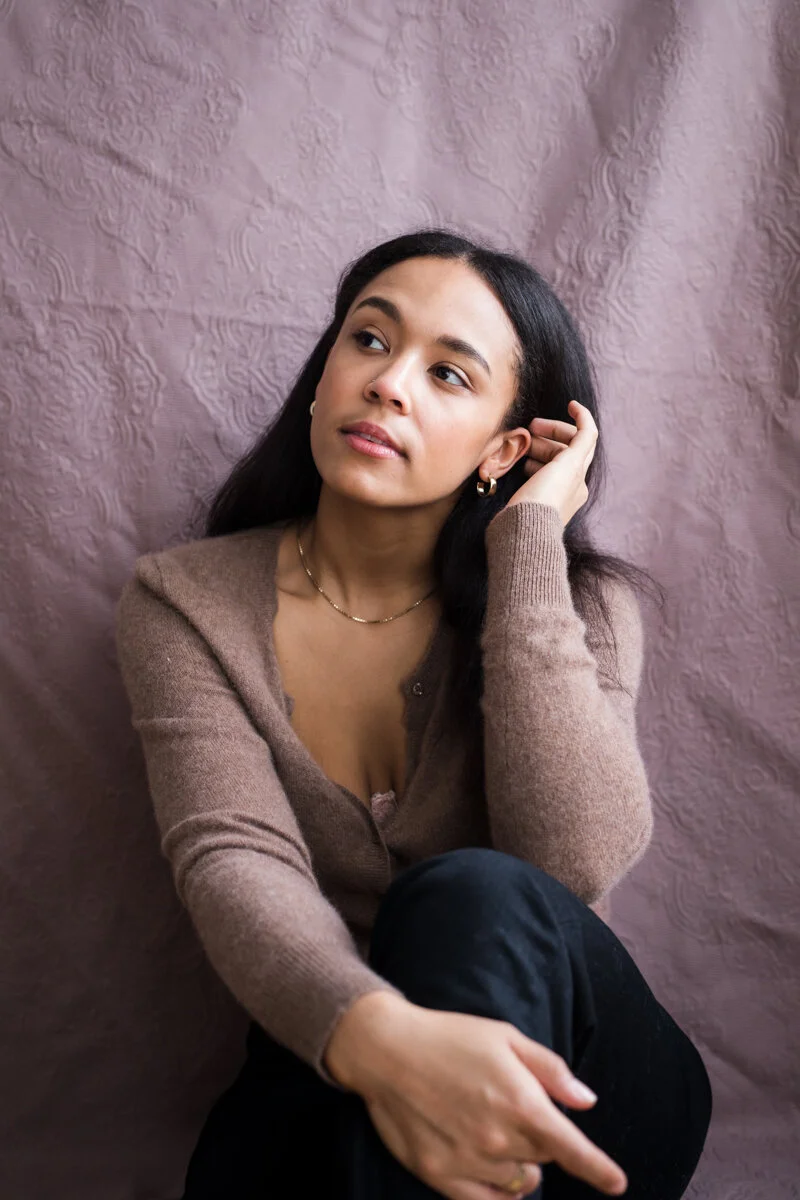
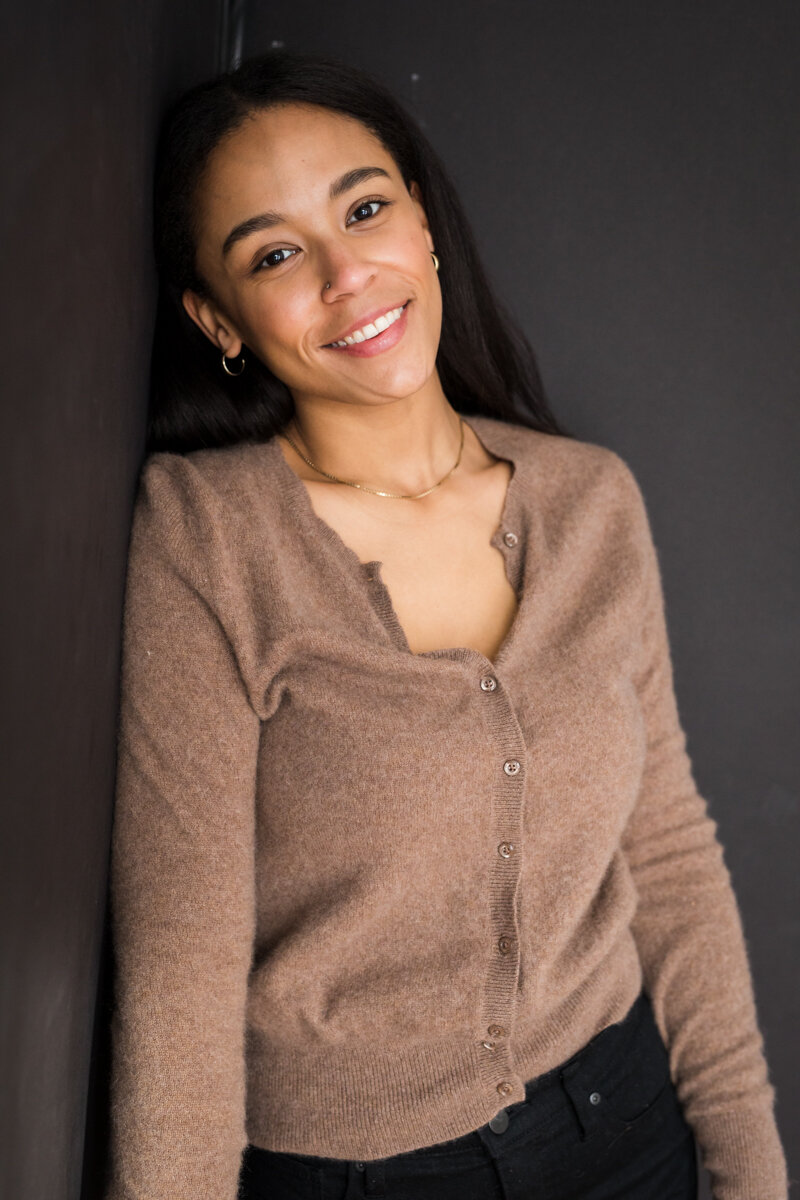
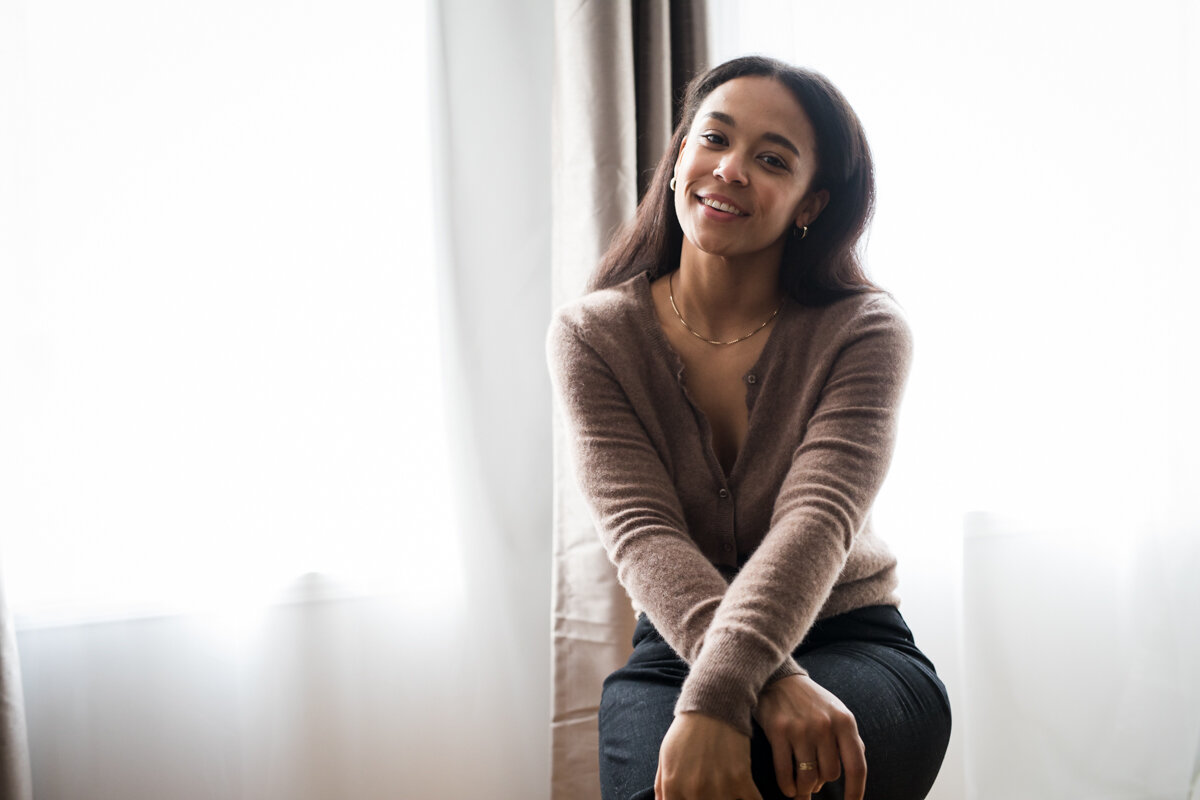
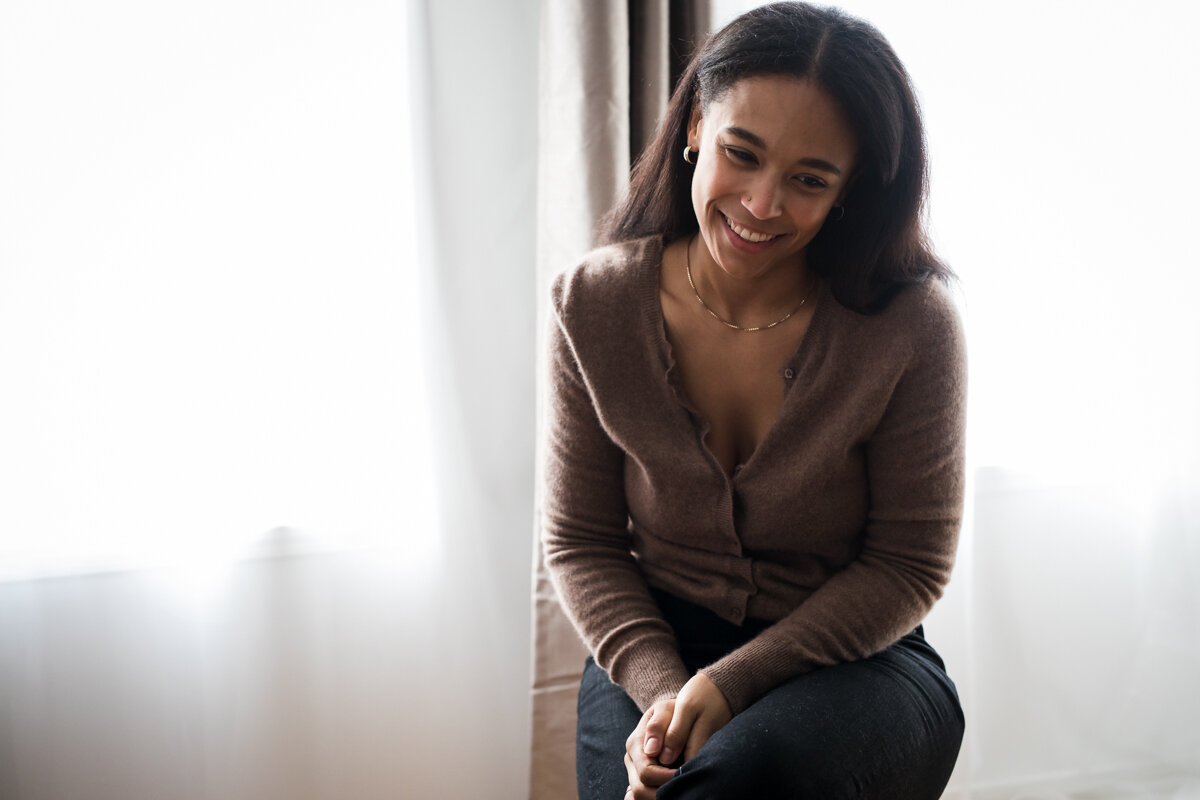
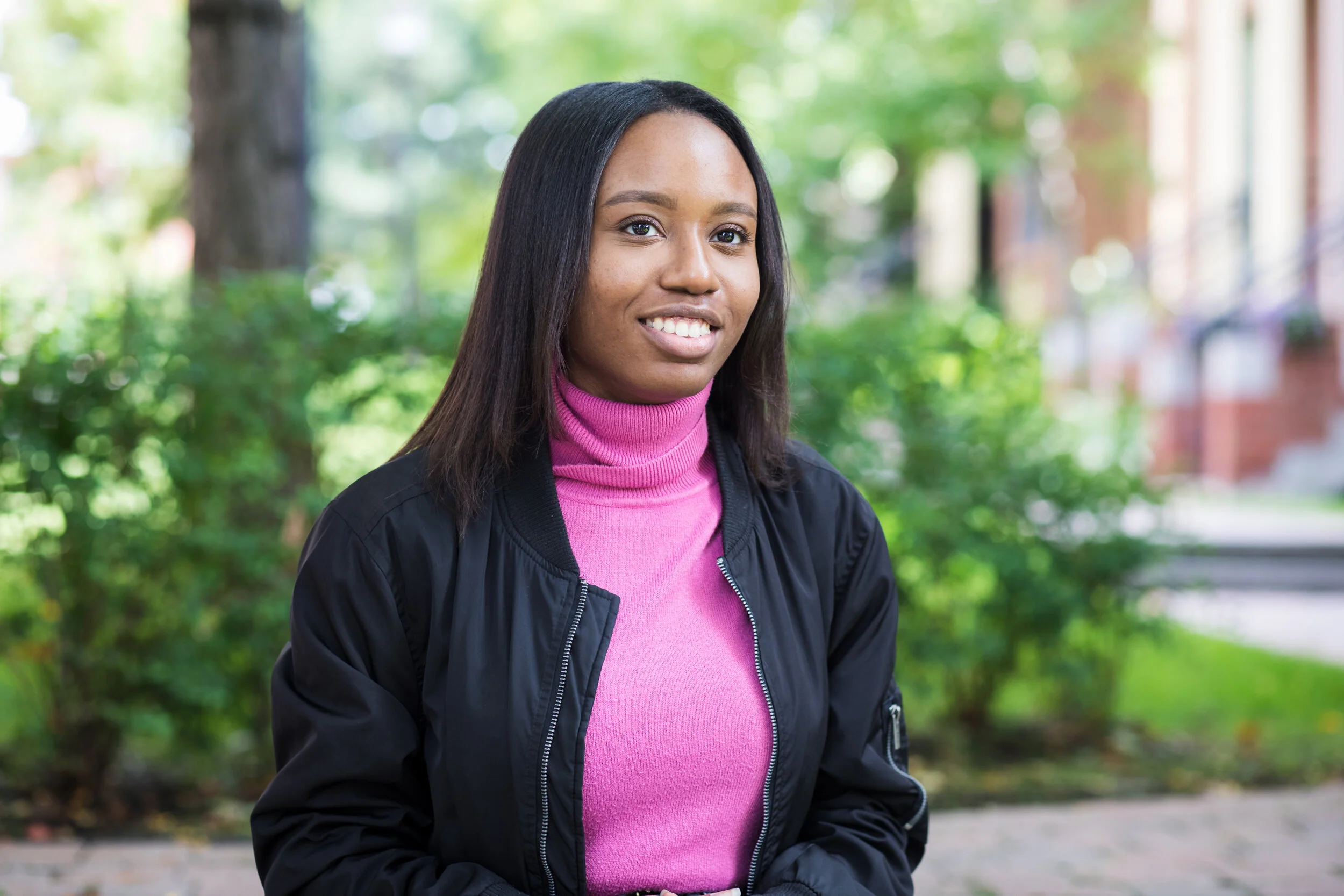
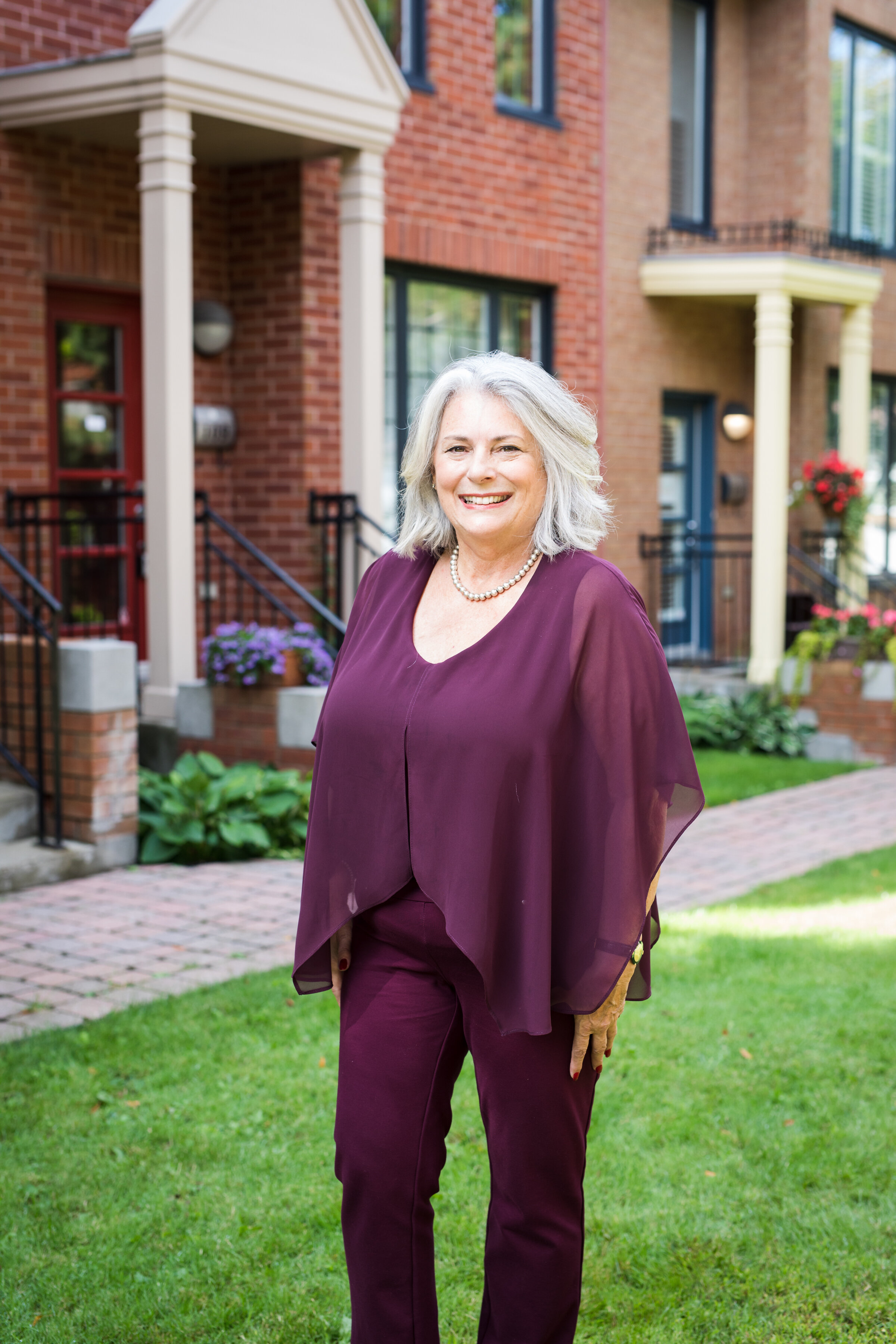
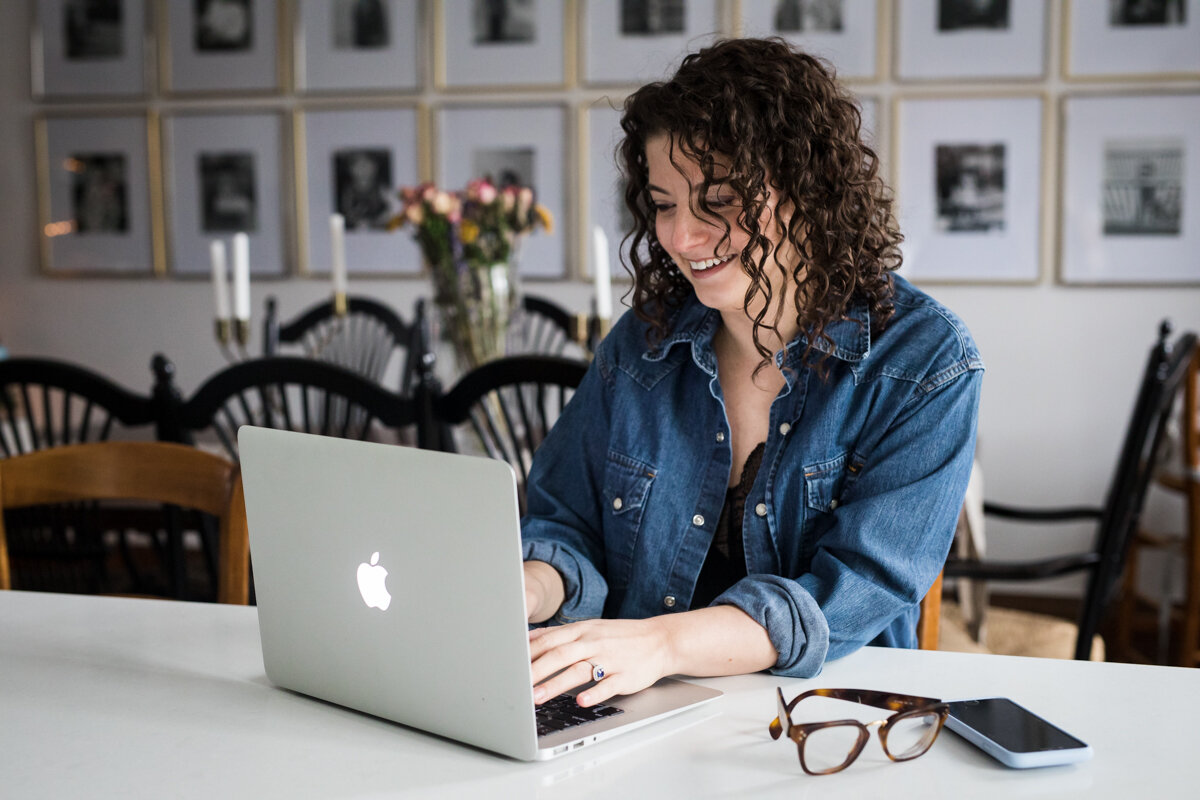
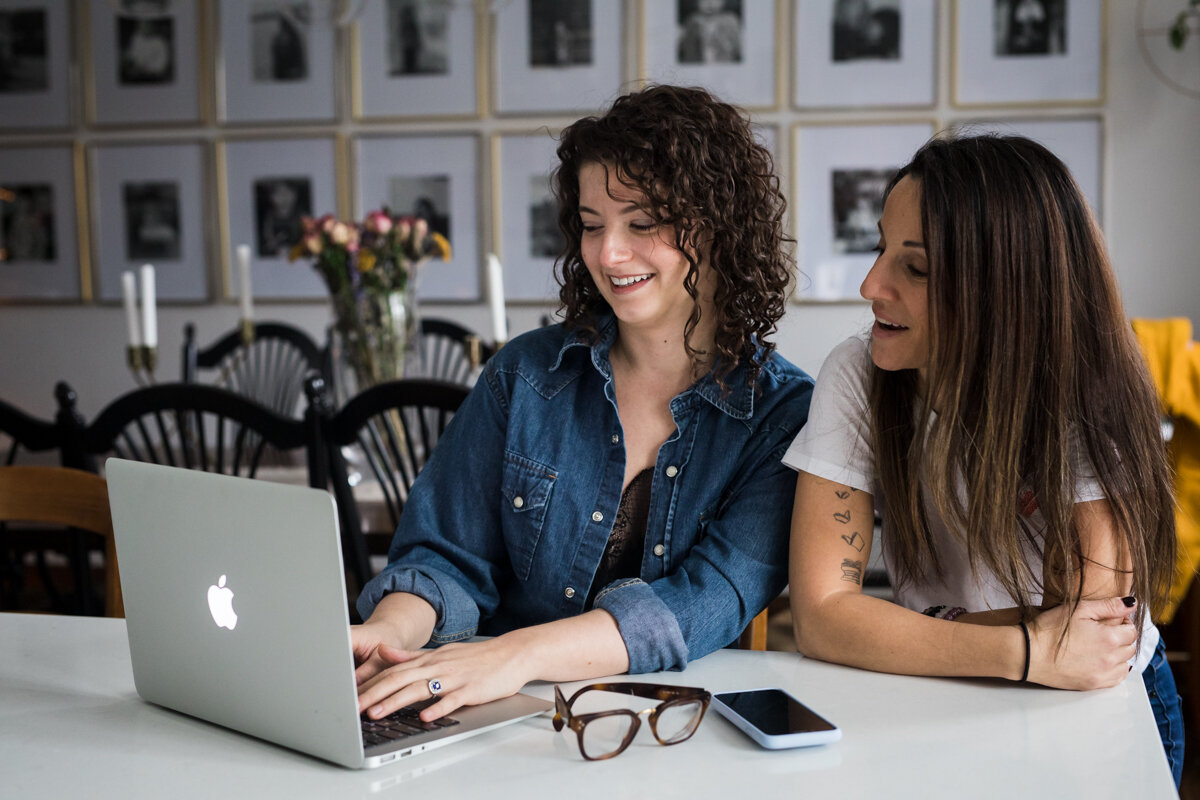
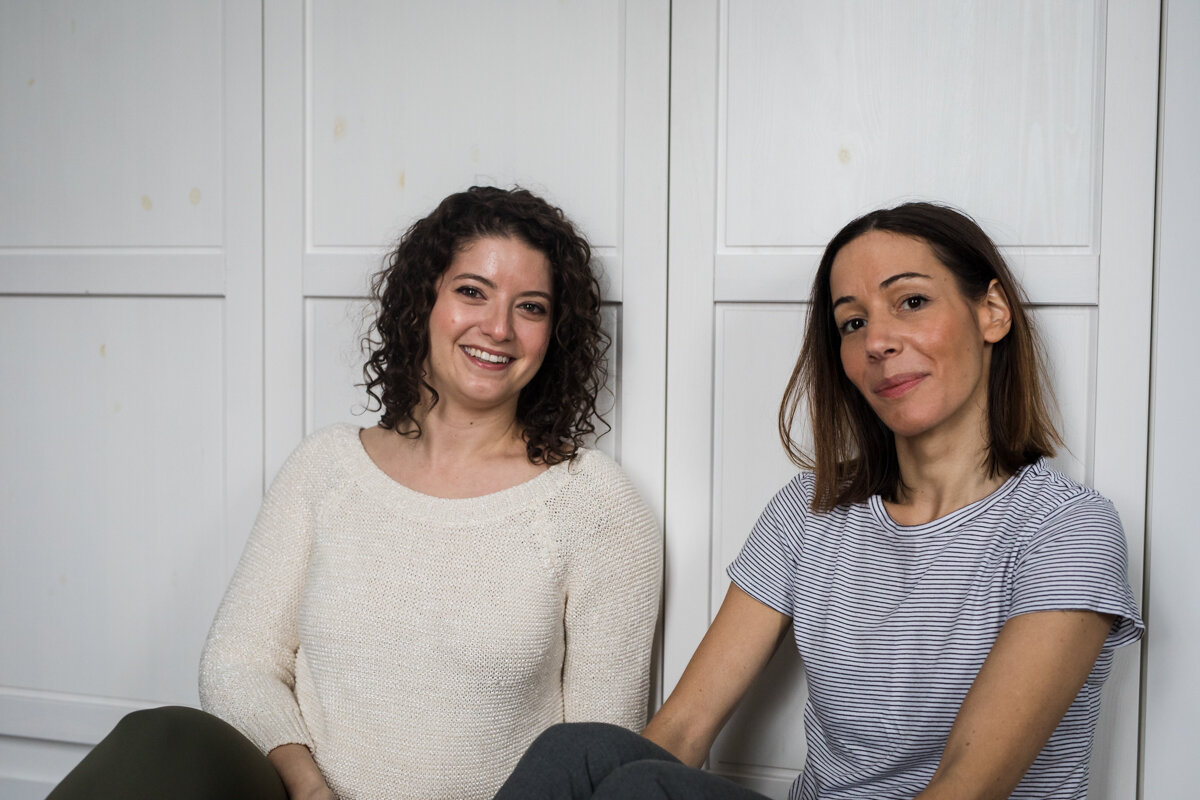
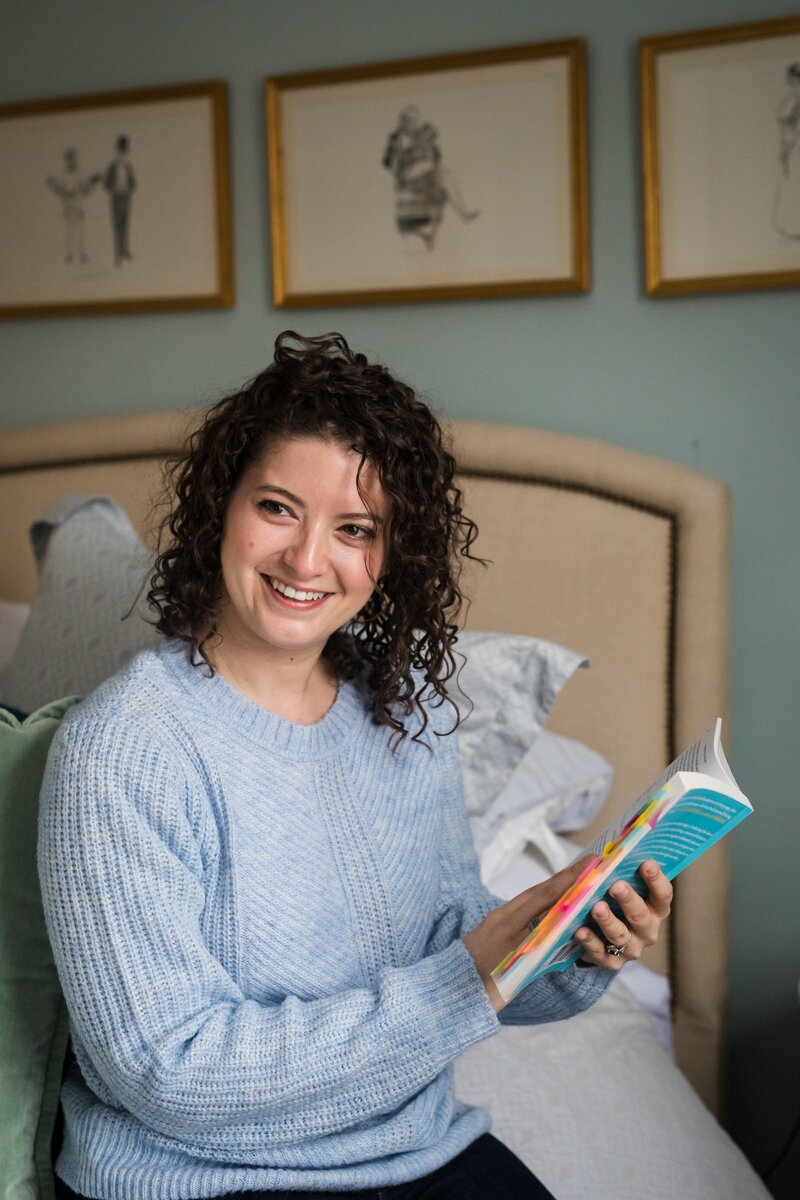
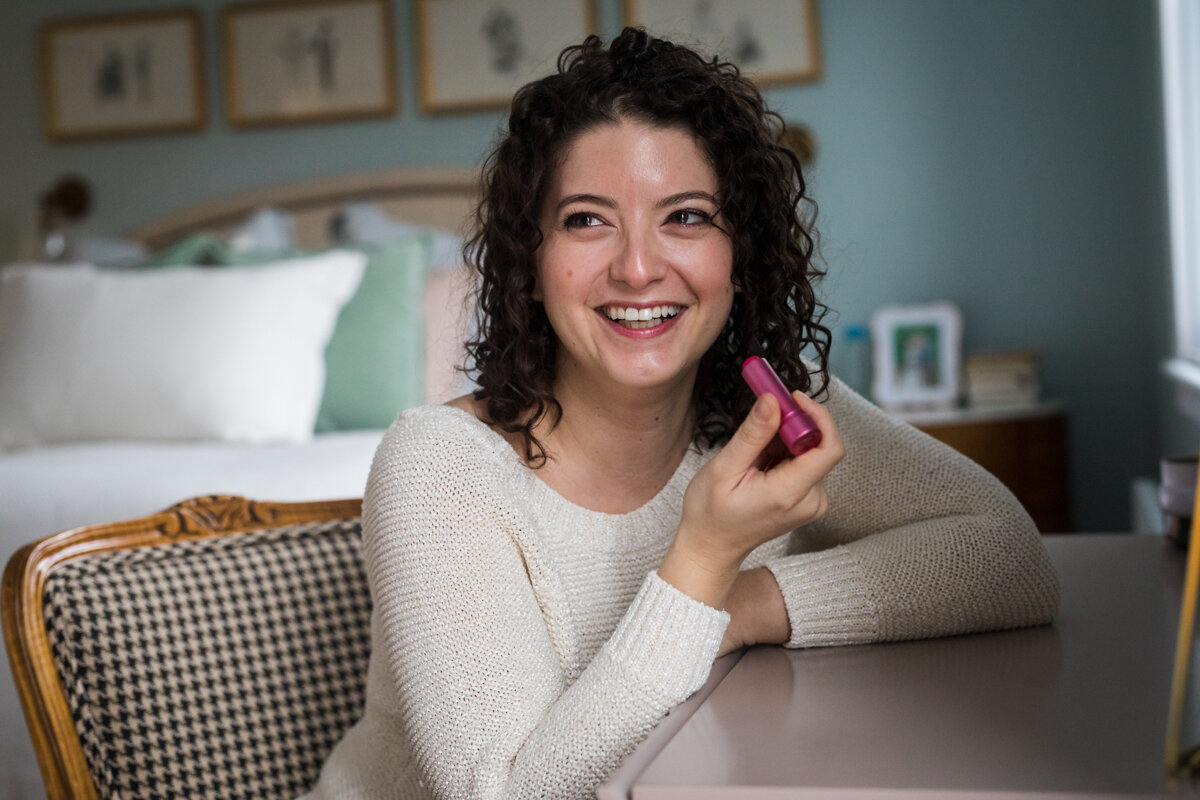
A Rebirth

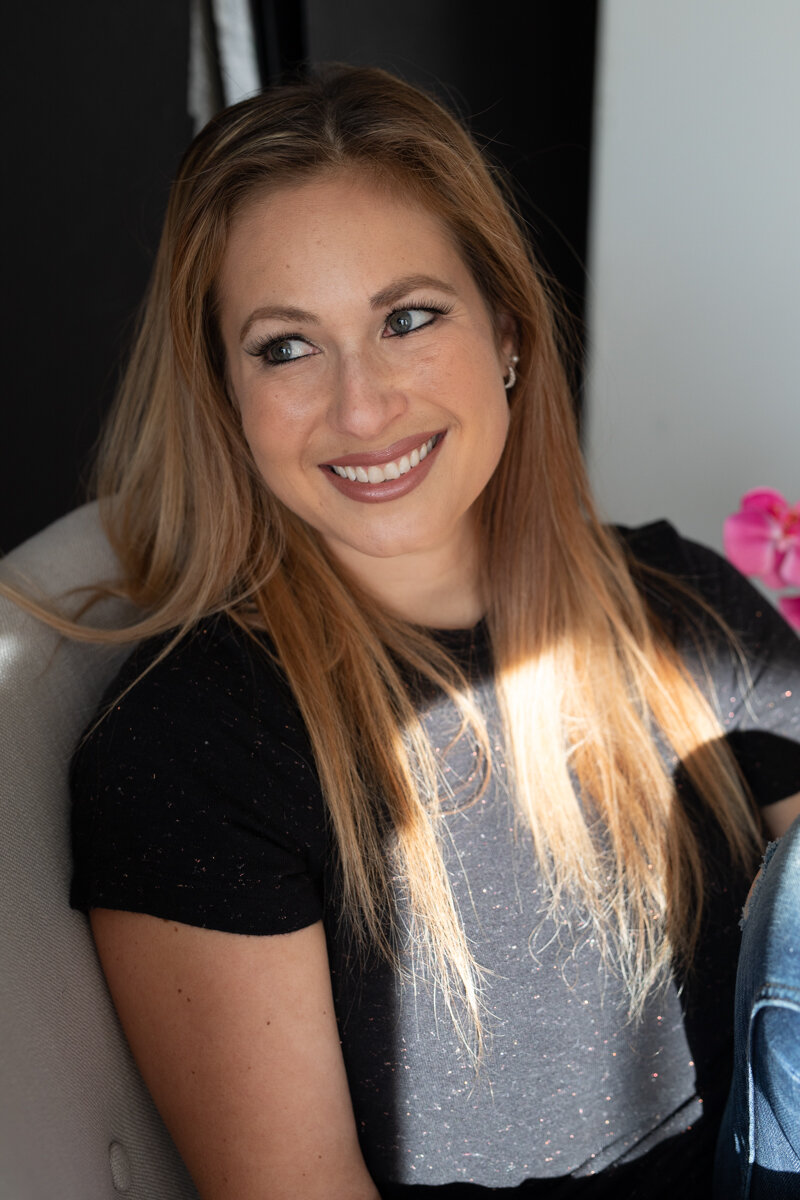
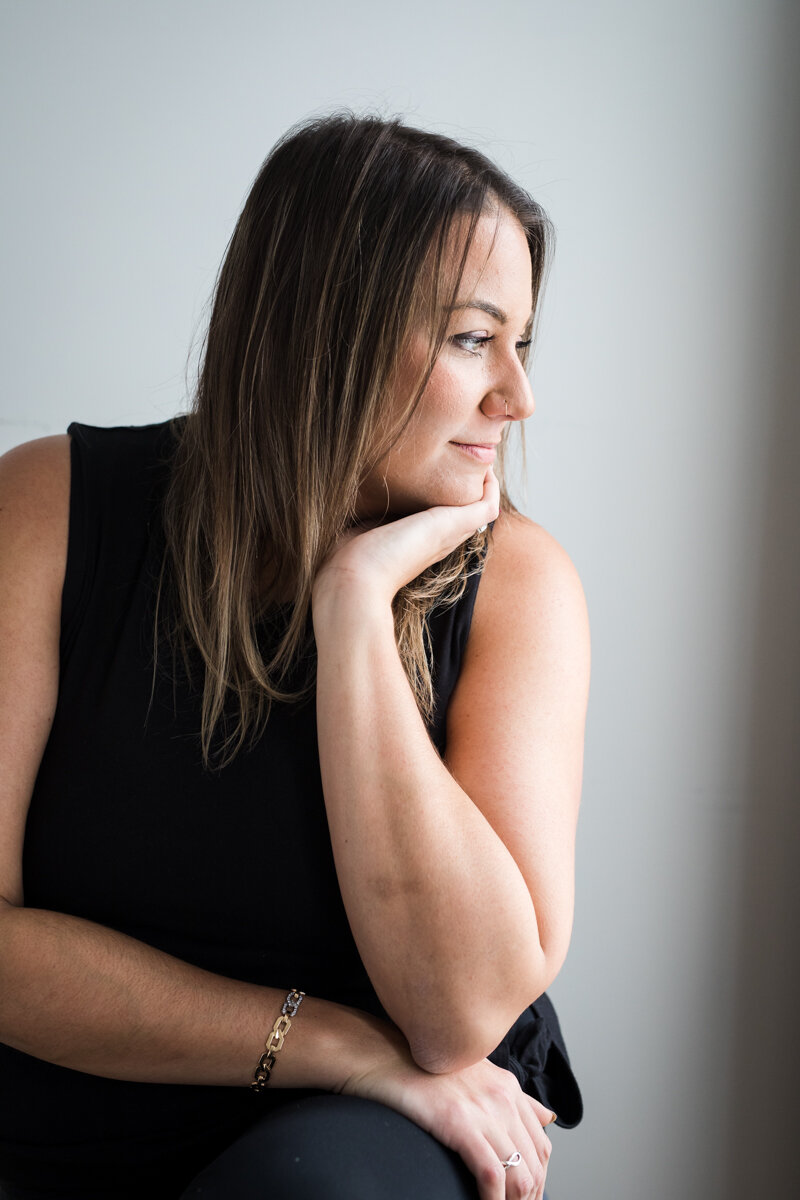
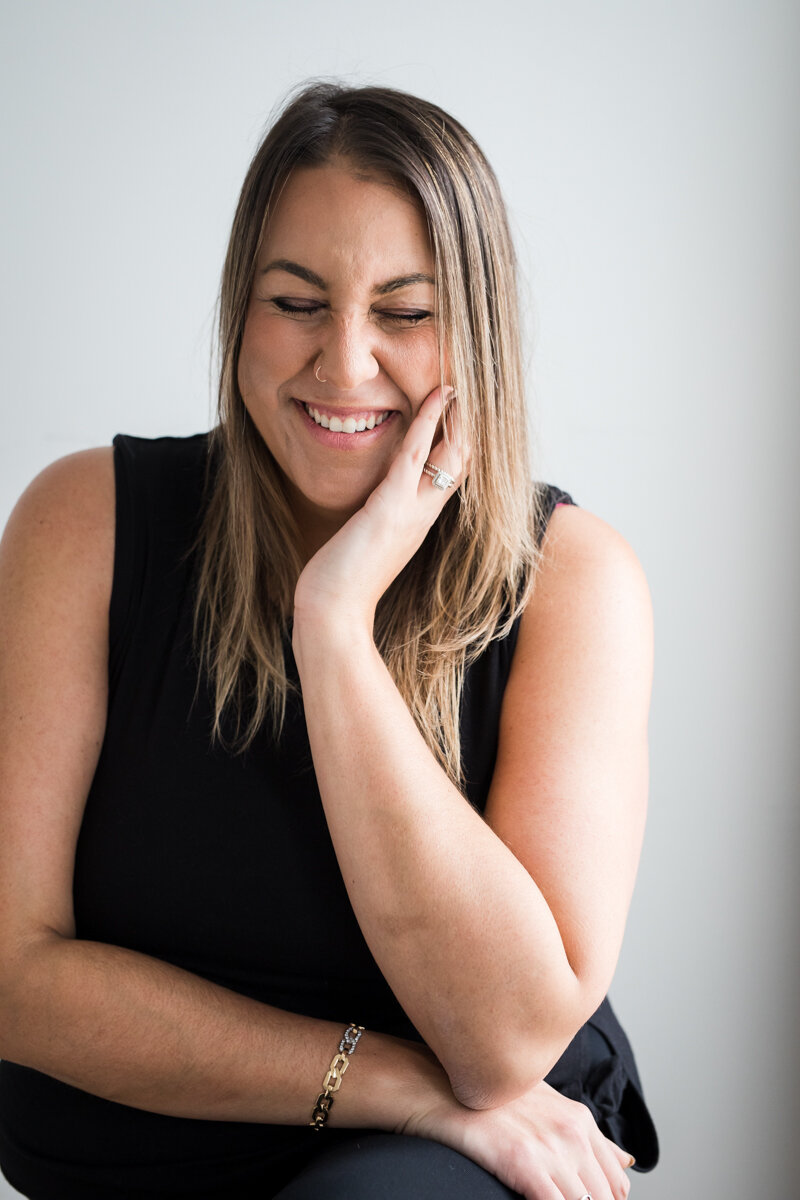
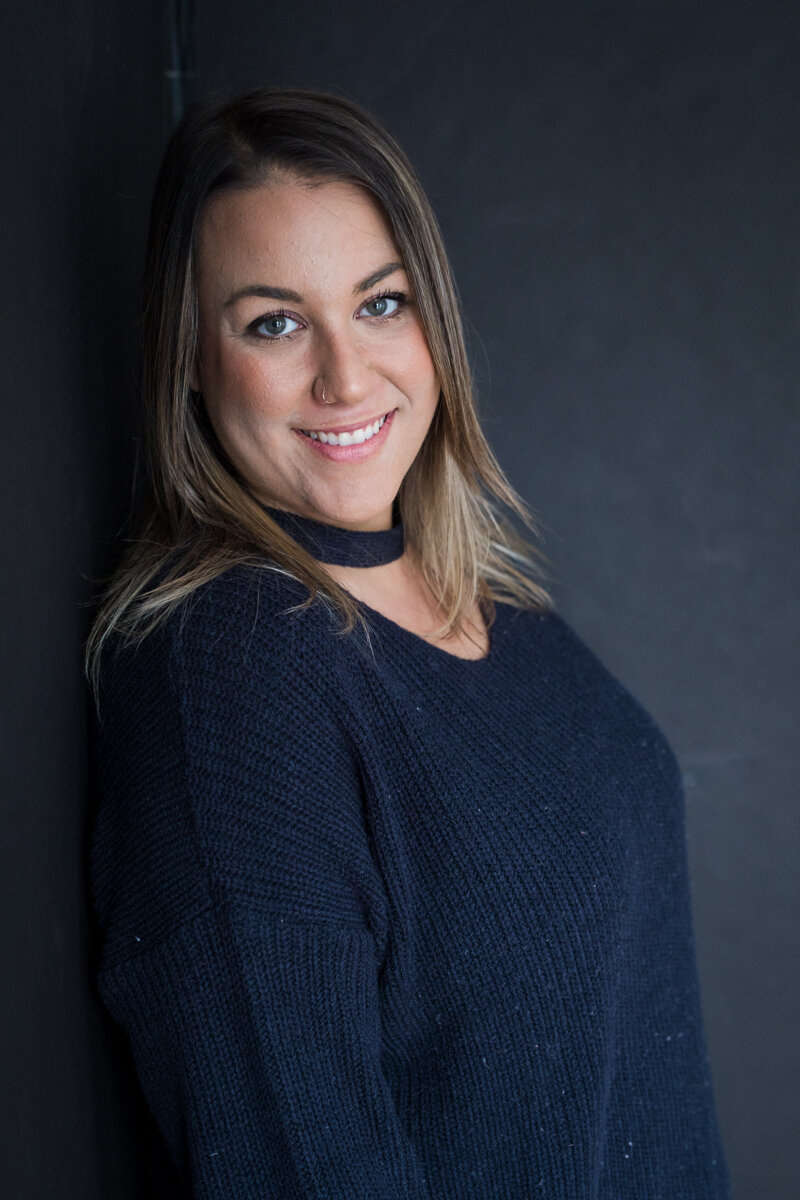
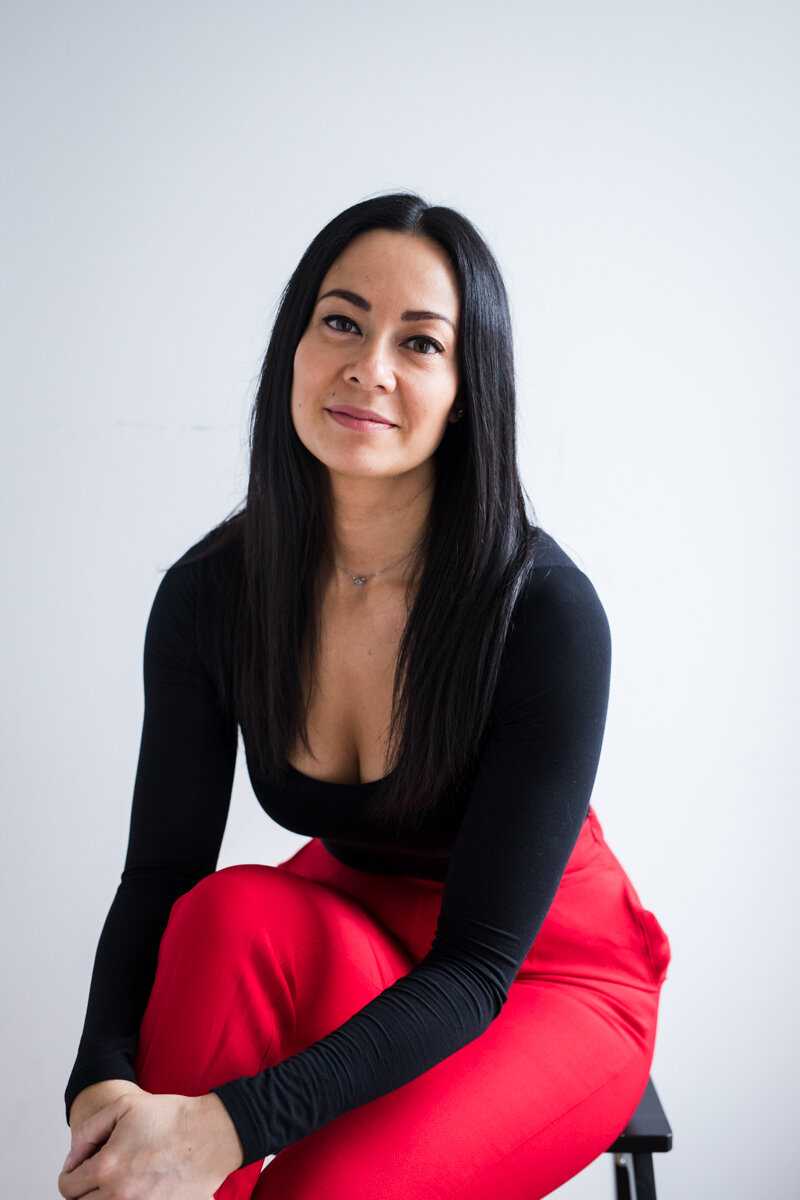
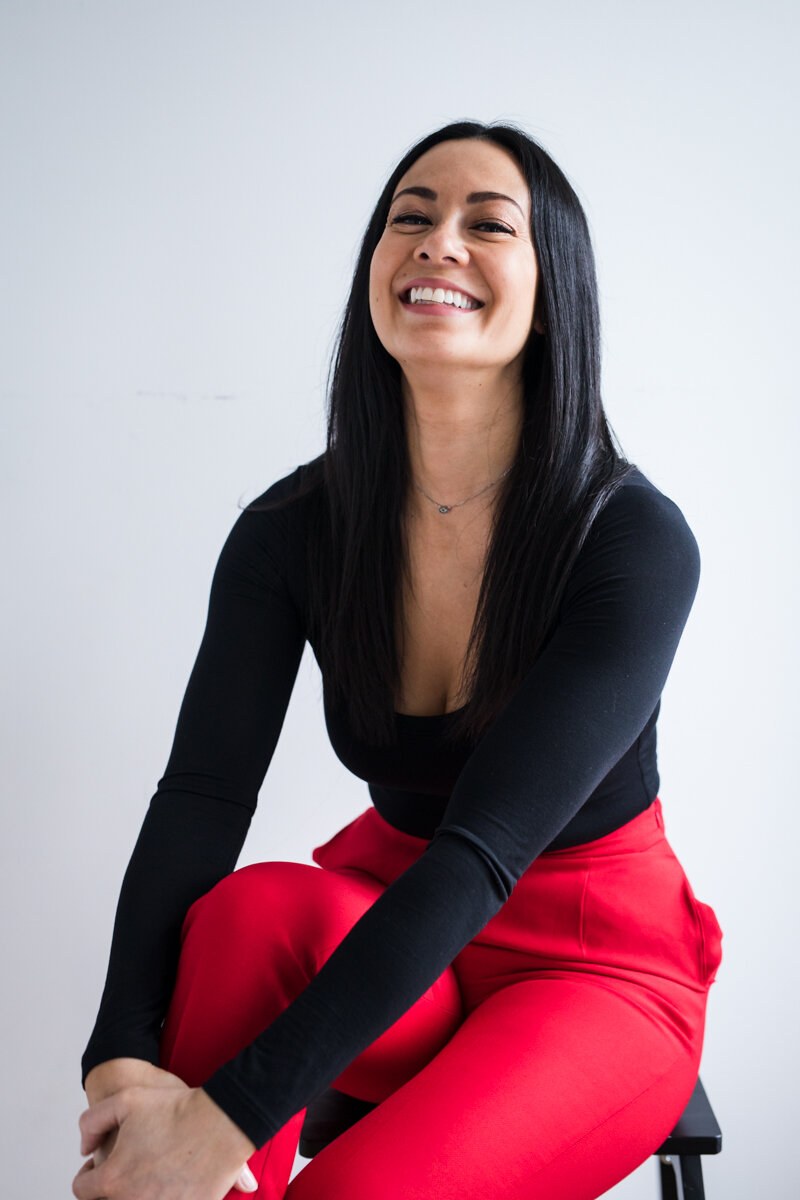
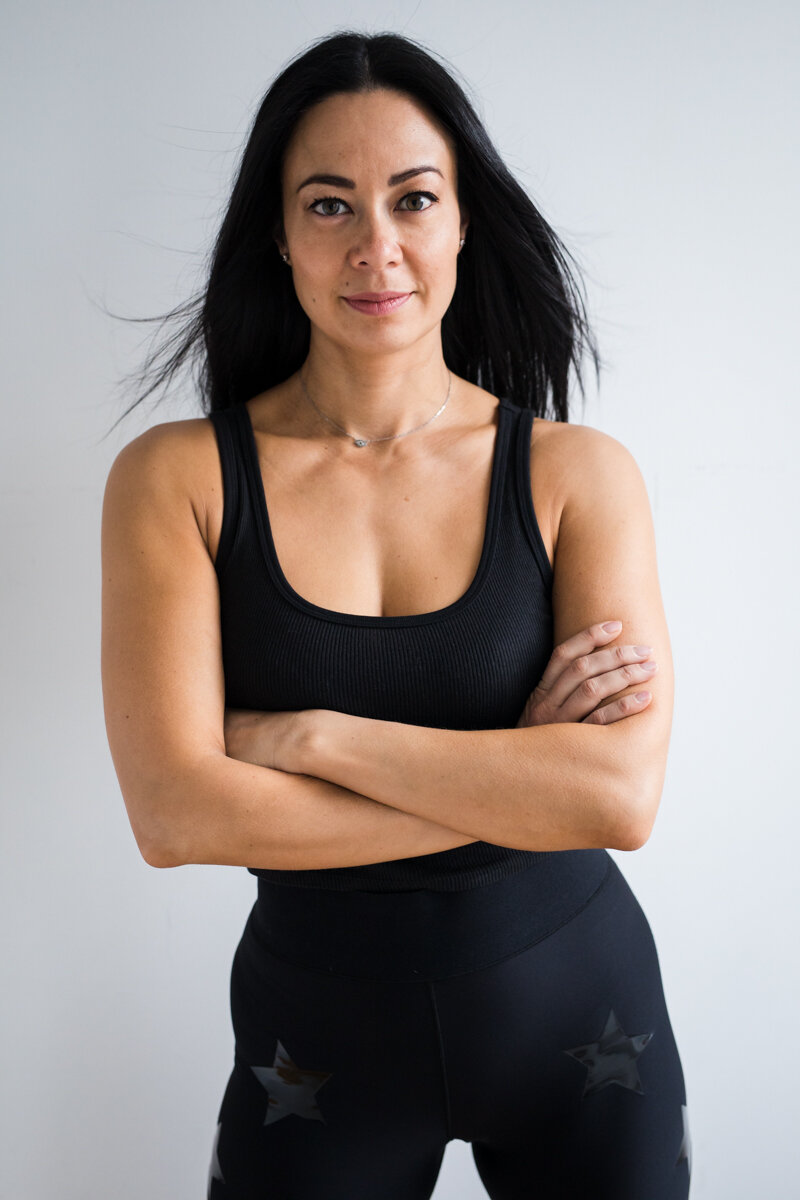
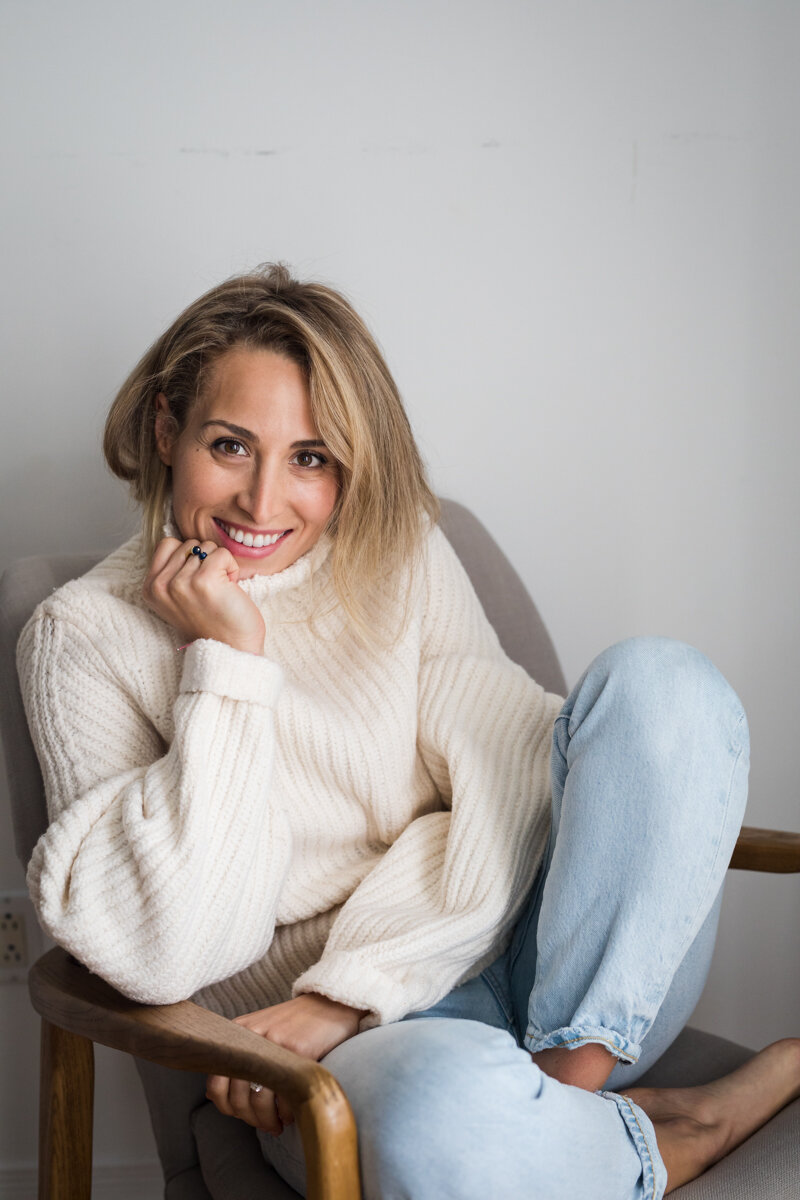
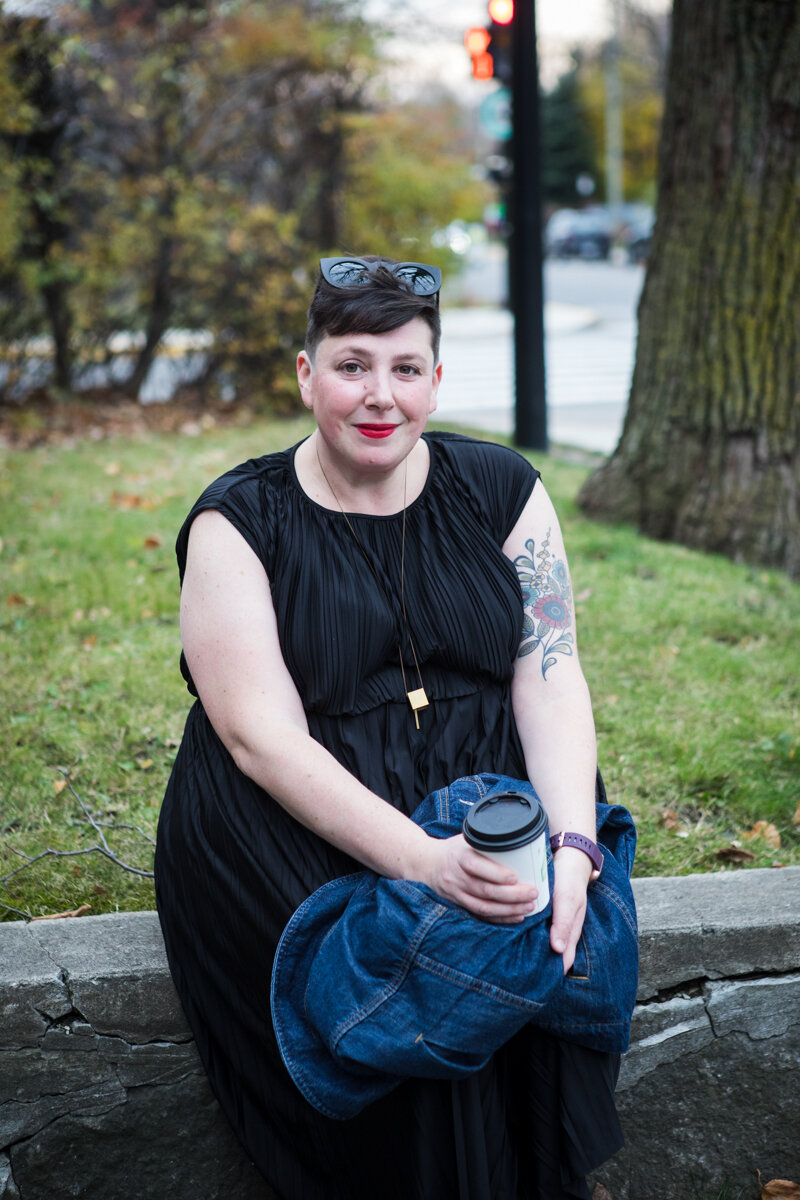
Written by Alecs Kakon

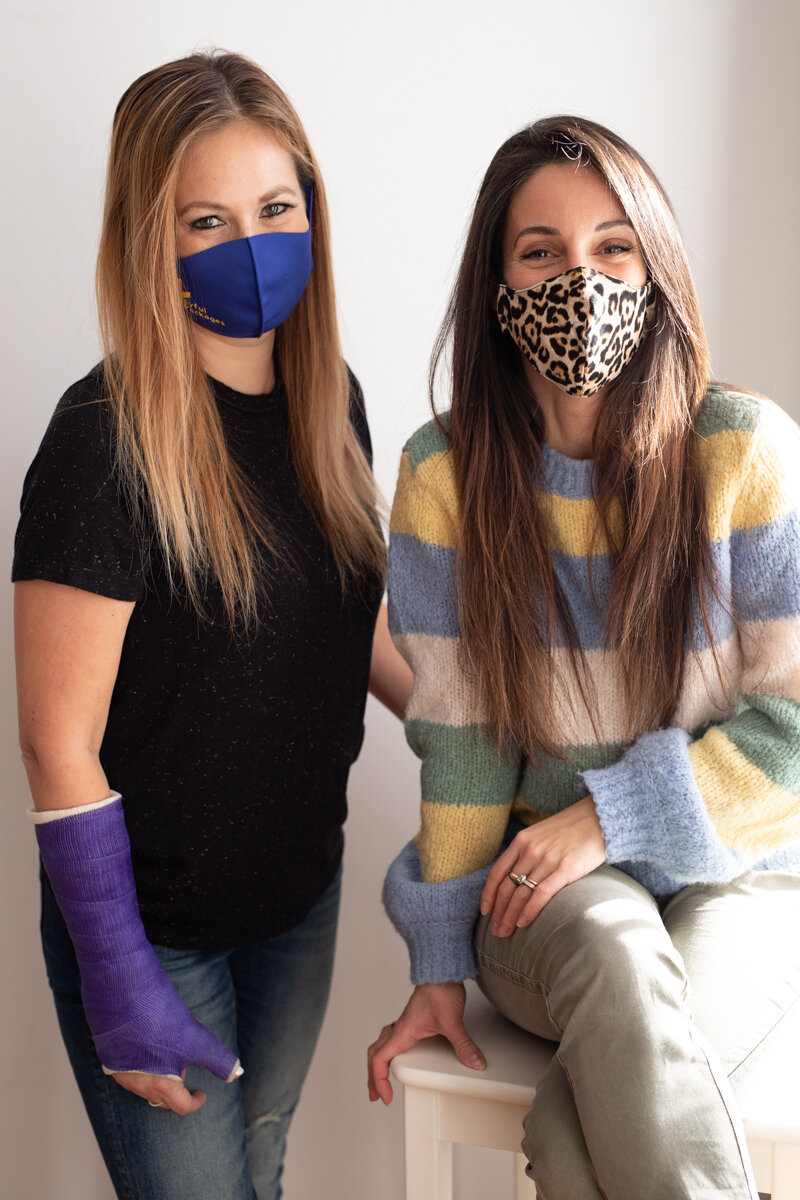
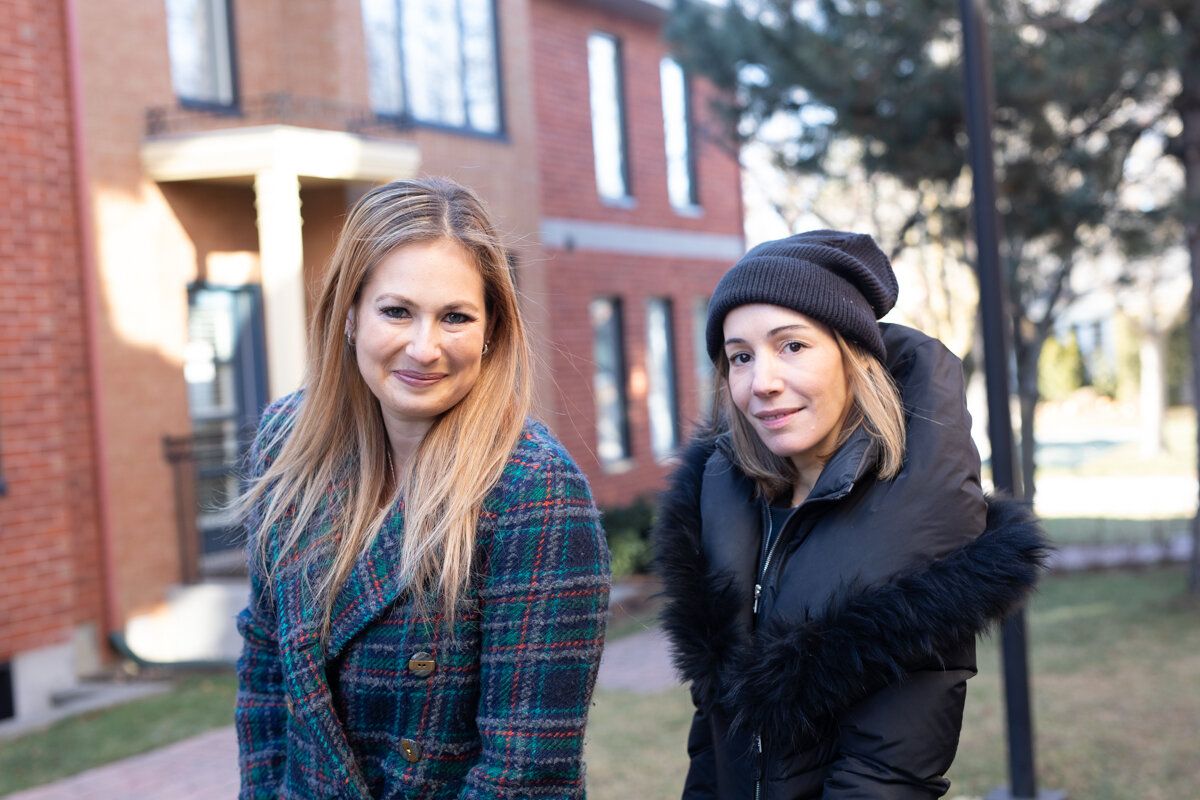
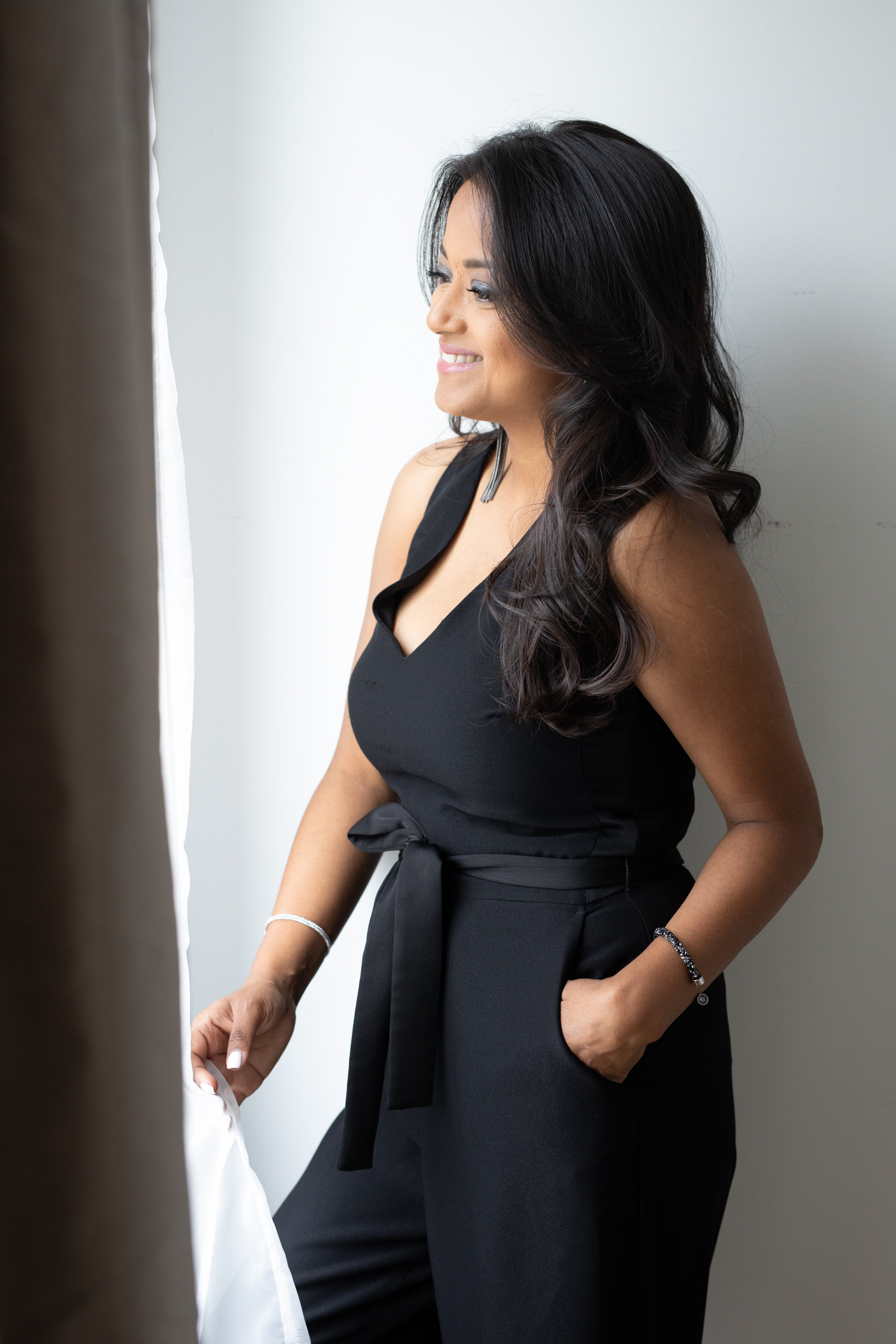
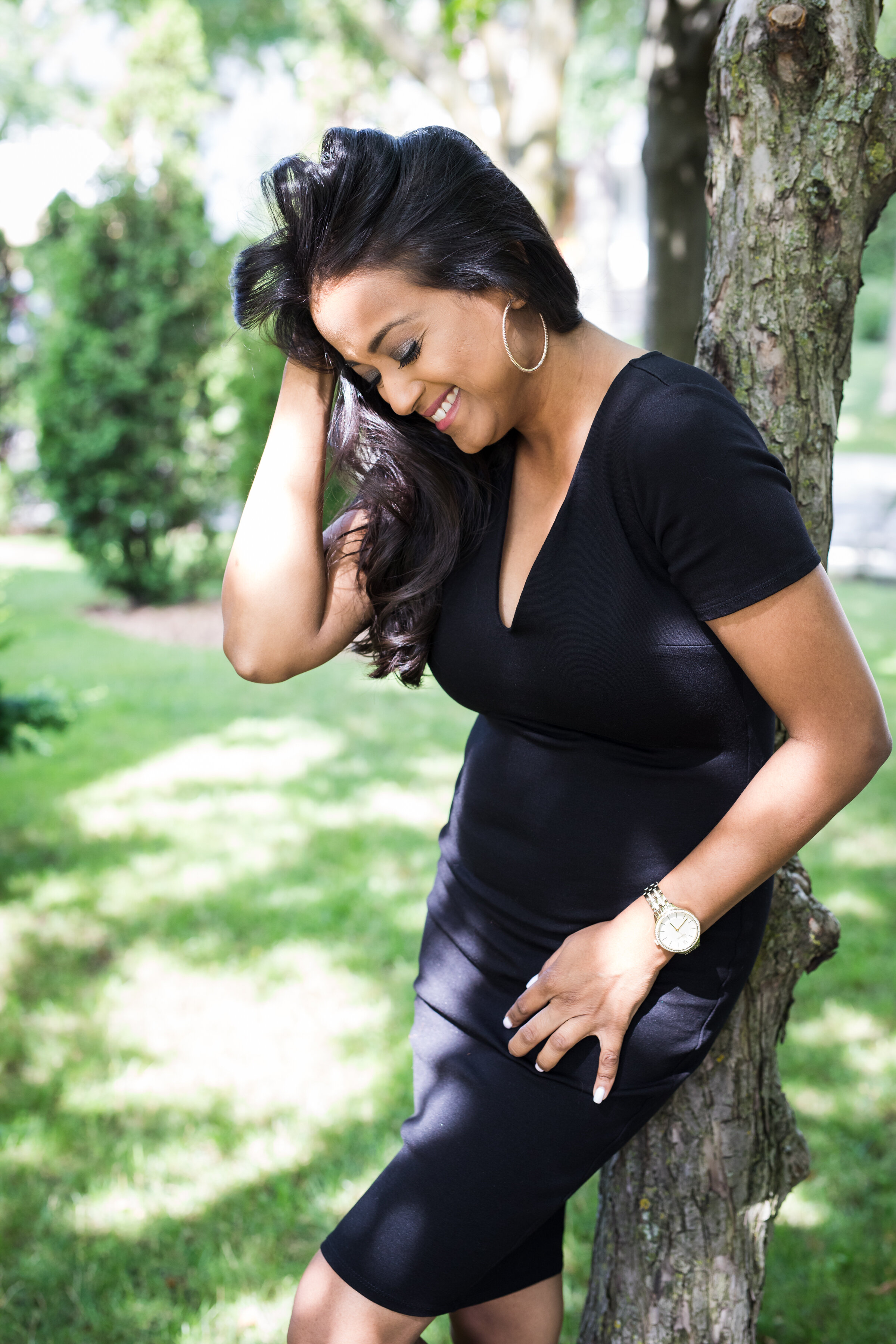
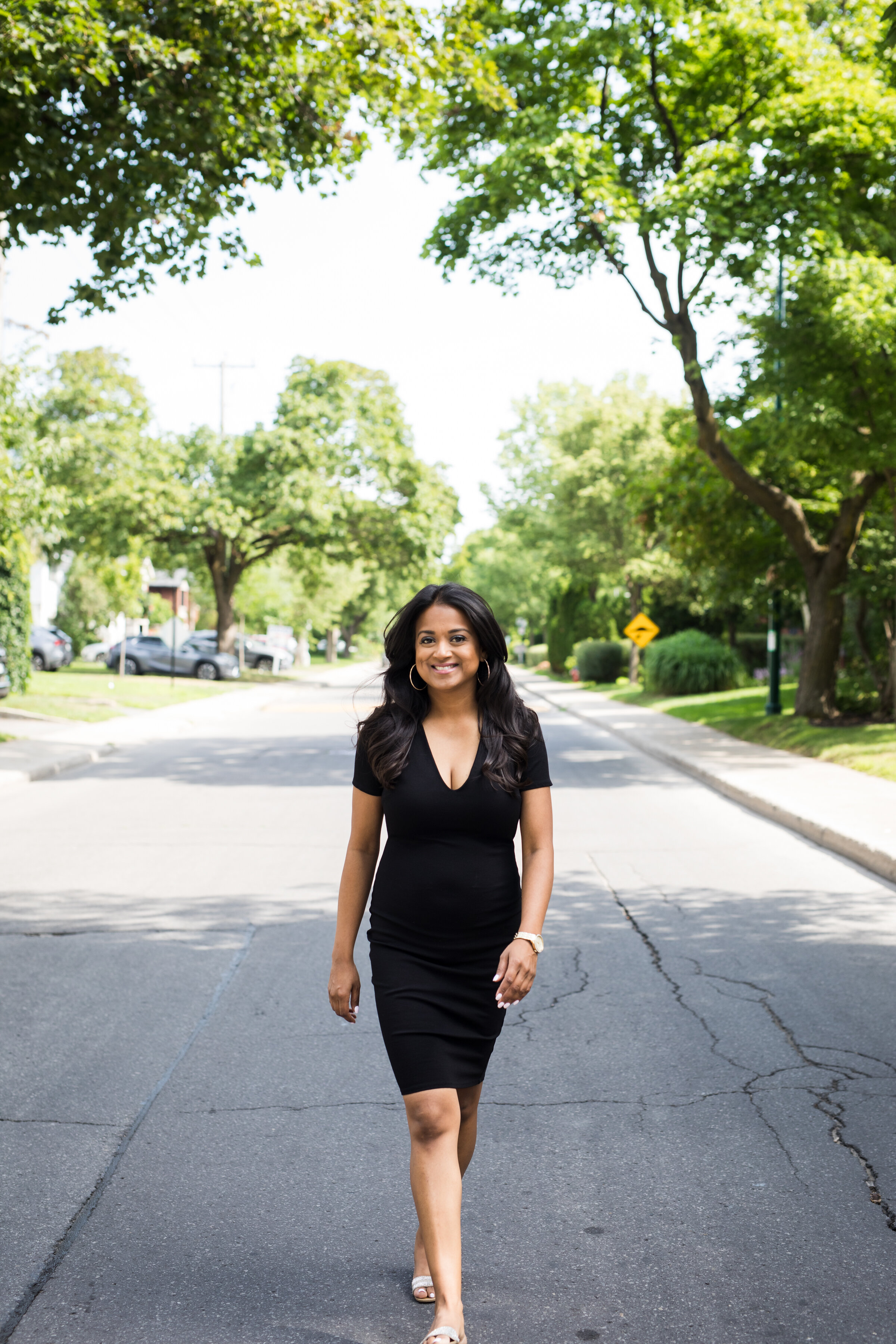
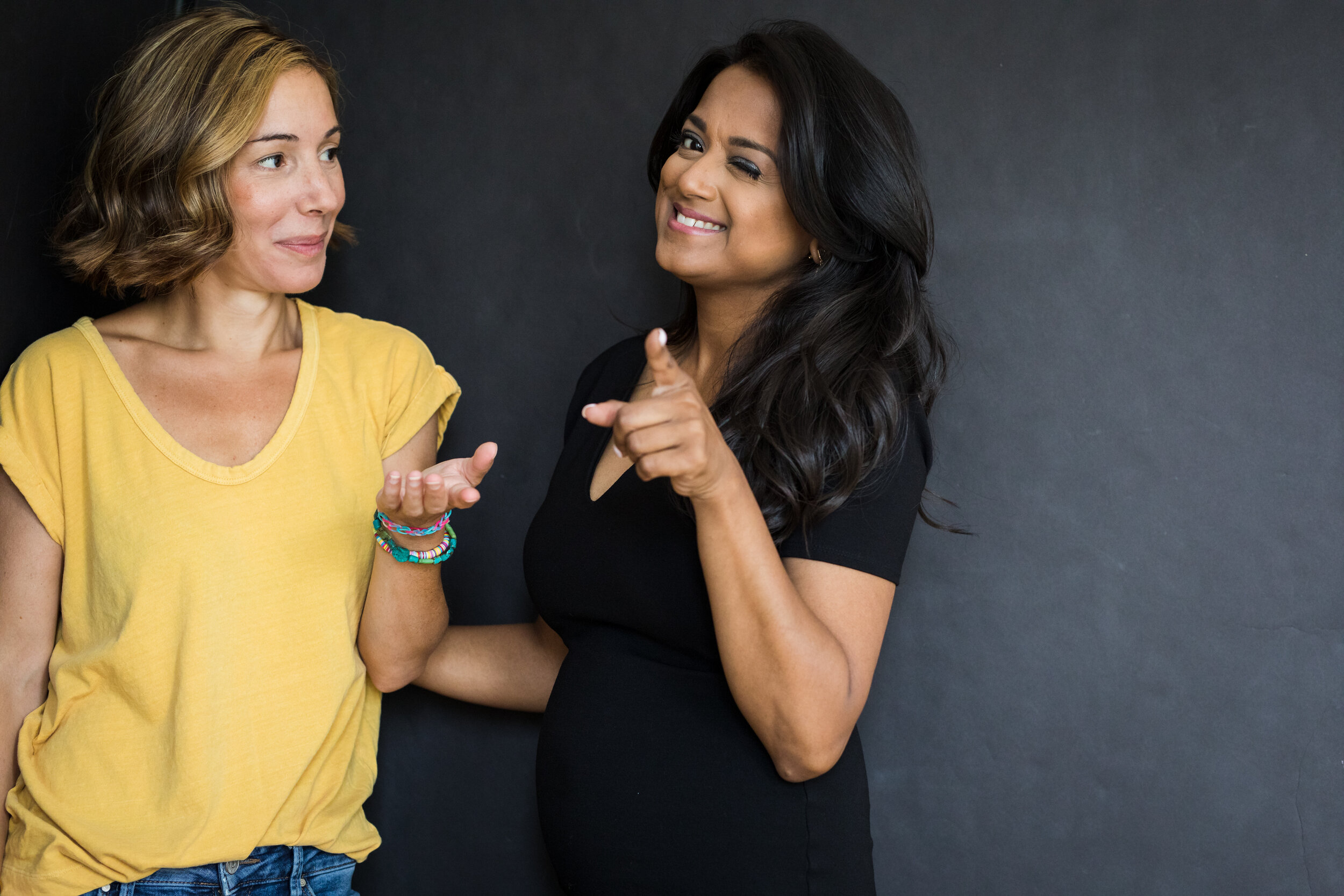
Photos by Jen Fellegi

Up until recently, I would say I functioned at what felt like a deficit. I strived to be independent, yet I was financially beholden to others; I craved autonomy, yet I lived in constant reaction to the rules set by authority; I yearned for that feeling of governance, yet overlooked that that sort of agency could come from within and could be self-directed. Something had locked me in this perpetual Peter-Pan state, even though, ironically, I wanted more than anything to grow up. I moved out early when I was around 18. I held jobs from the age of 15. I walked around like I owned the world probably since I was 2, yet, all of it was my way of reaching, not attaining a sense of self and place in the world. The thought pressing against my mind’s walls was that I was a kid, a daughter, and to a certain point, everything I believed in is in deference to those who have raised me. It is an impossible feeling to live with that, sort of exogenous omnipotence, because it locked me in relation to values that didn’t belong to me, beliefs I didn’t always align with, and a general way of being or living that didn’t resonate with the woman I was (or was trying to be).

profile-projects

Something shifted in a profound way the day I learned I was pregnant. Part of me attributes my coming into myself to that precise moment. As Iain Thomas poignantly remarked: “Everything has changed, yet I am more me than ever before.” I instantly changed inalterably in a way I had been chasing my whole life. All of a sudden, I called the shots (well, my husband and I, but for the purpose of this piece, I’ll restrict myself to a first-person account). I felt as though I had spent the first three decades of my life trying to fit my square piece into that proverbial round slot, and just like that, the round slot squared off and I slipped right in.
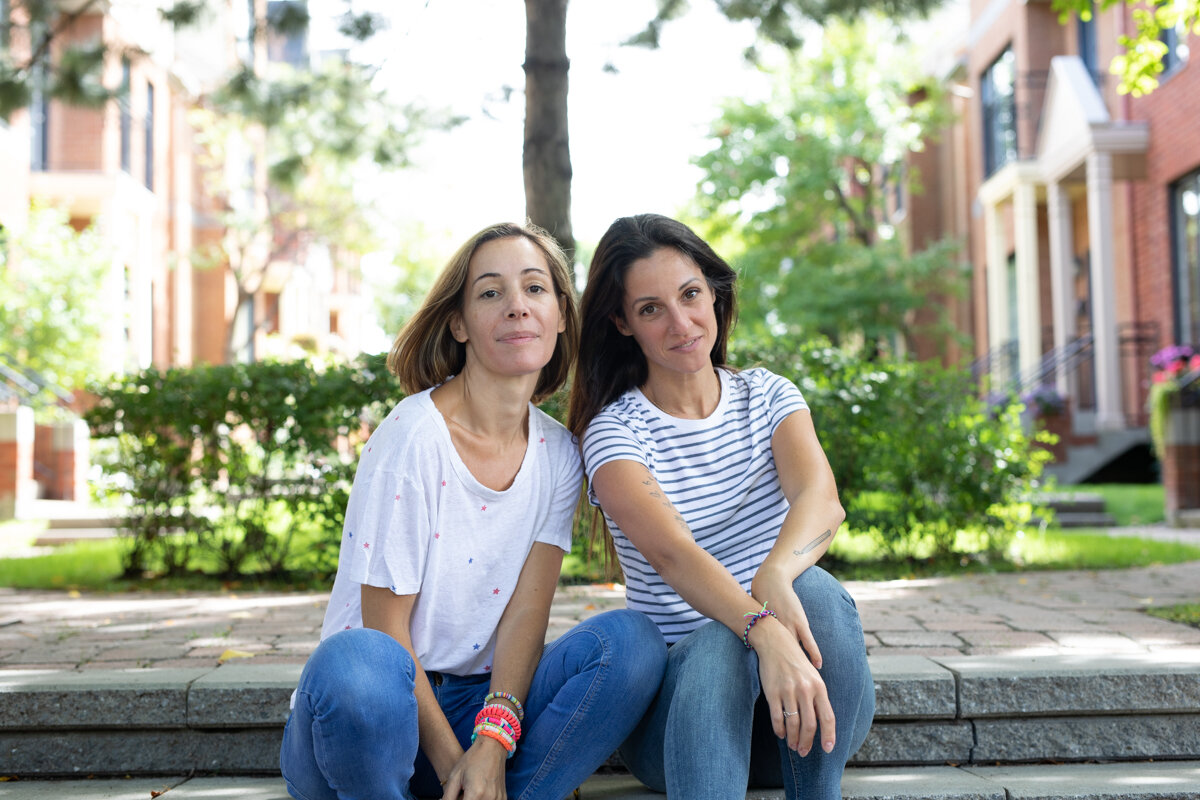
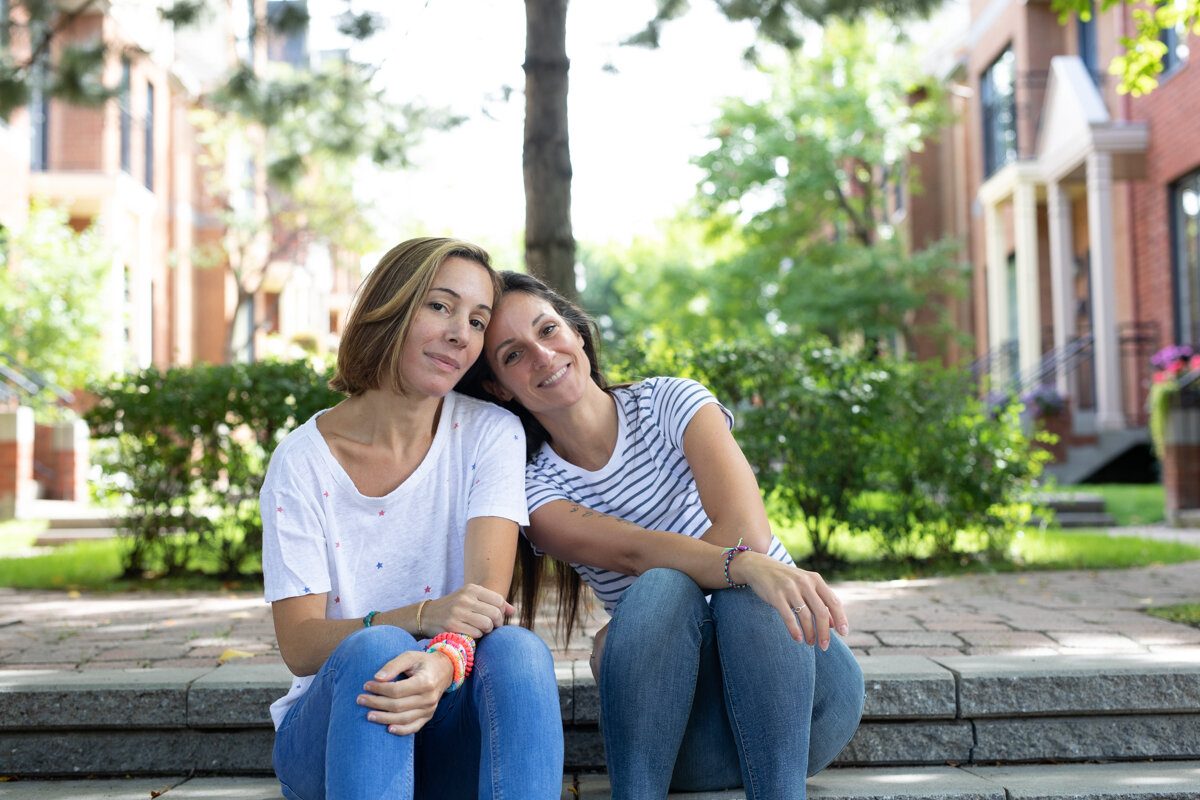
I’ve spent a lot of time thinking about why becoming a mother snapped me into alignment. I think a lot of it comes from restrictions placed on me growing up. That definitely played a role. But more than that, I think societal conventions trickled in as well. This whole notion of hierarchy in the home is something that has recently been called into question with new-age parenting levelling the playing field and equalizing the voices within the family, but for me, growing up, kids deferred to their parents. Anything less was anarchy. I was labeled a rebel early on, but the epithet never felt true. I was not that rebellious, I was just different from my immediate surroundings (which, incidentally, was quite homogenous). I caused a ruckus, that’s for sure, but that’s only because I questioned everything. I was curious and wanted to forge my own path, my own belief system, but the things that felt true to me went directly against my family’s traditions. What does one do with that sort of information?
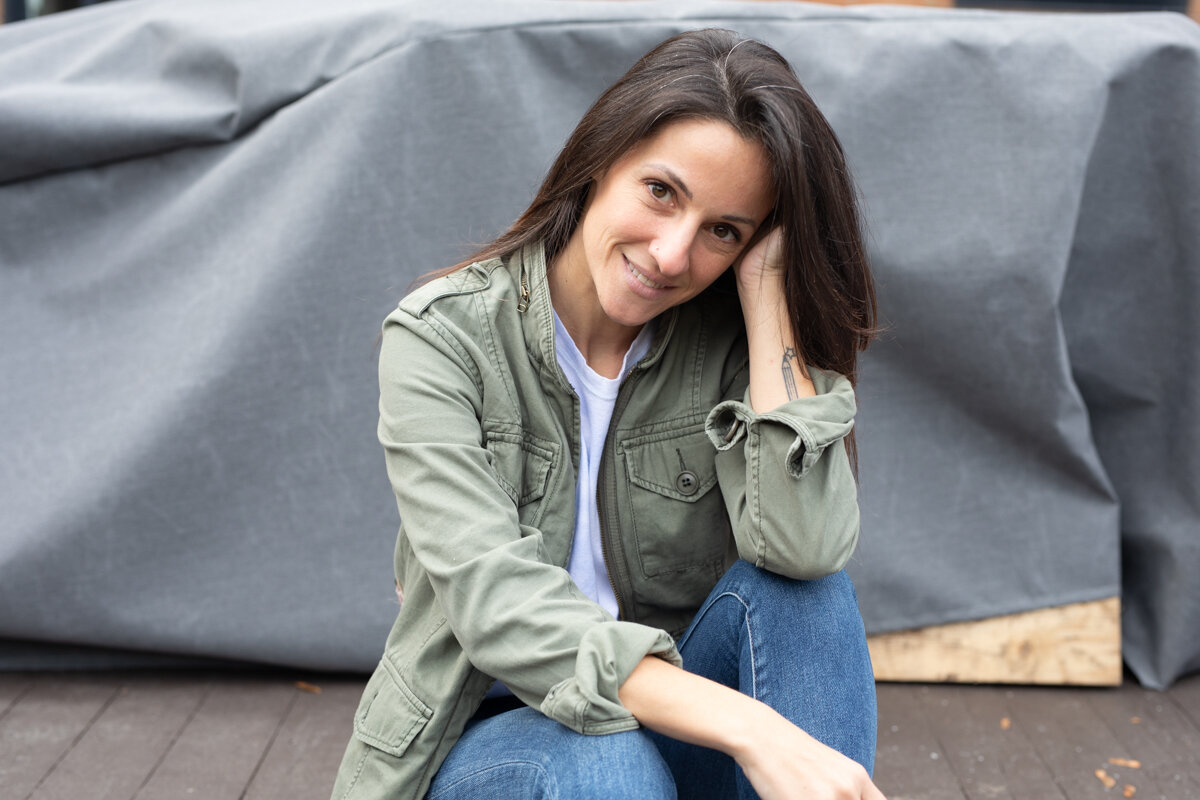
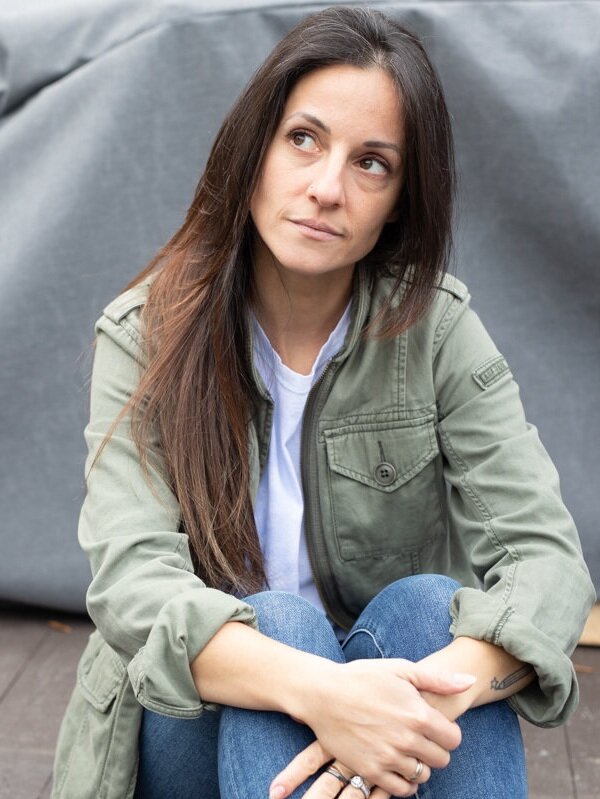
Now, as a mom of three young children, I find myself constantly educating myself so that I can be an infinite well of information for my children. I have my values, I teach them to my kids, but I do not impose them. Becoming a mother allowed me to know myself in a way that clicked everything into place – but, it has also presented many turbulent time warps.
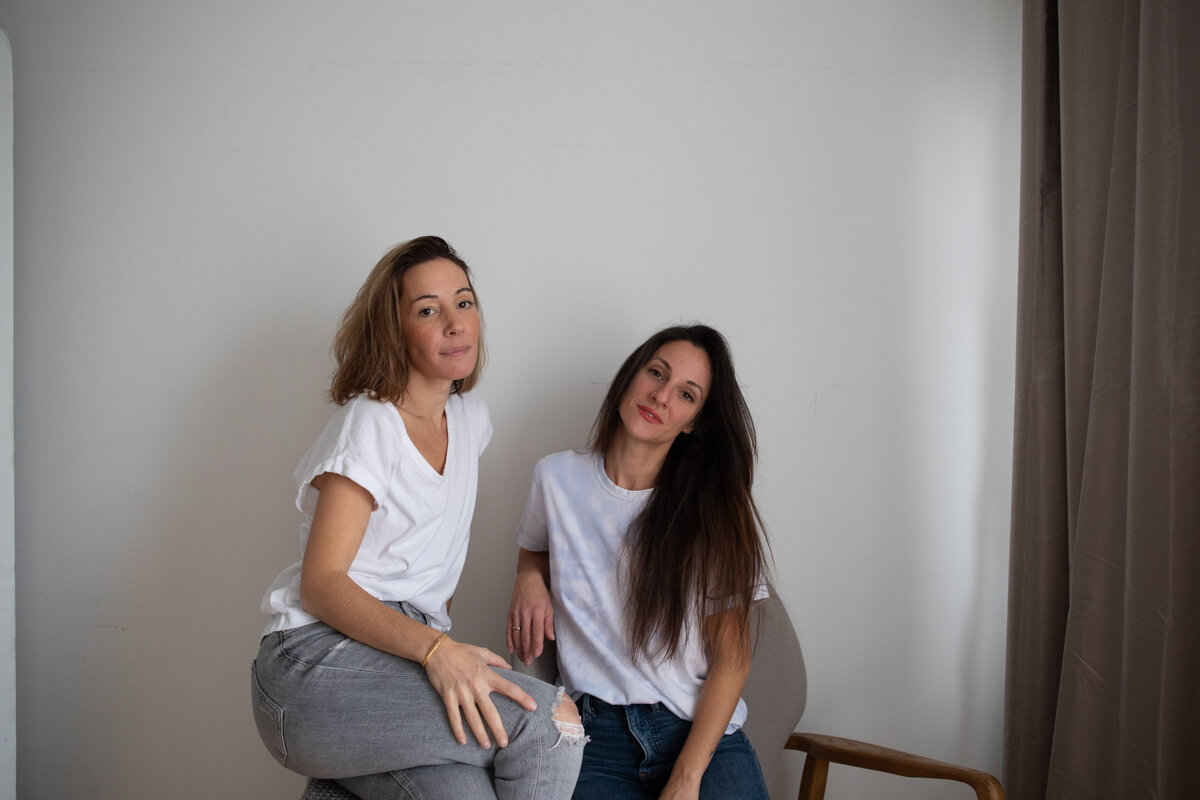
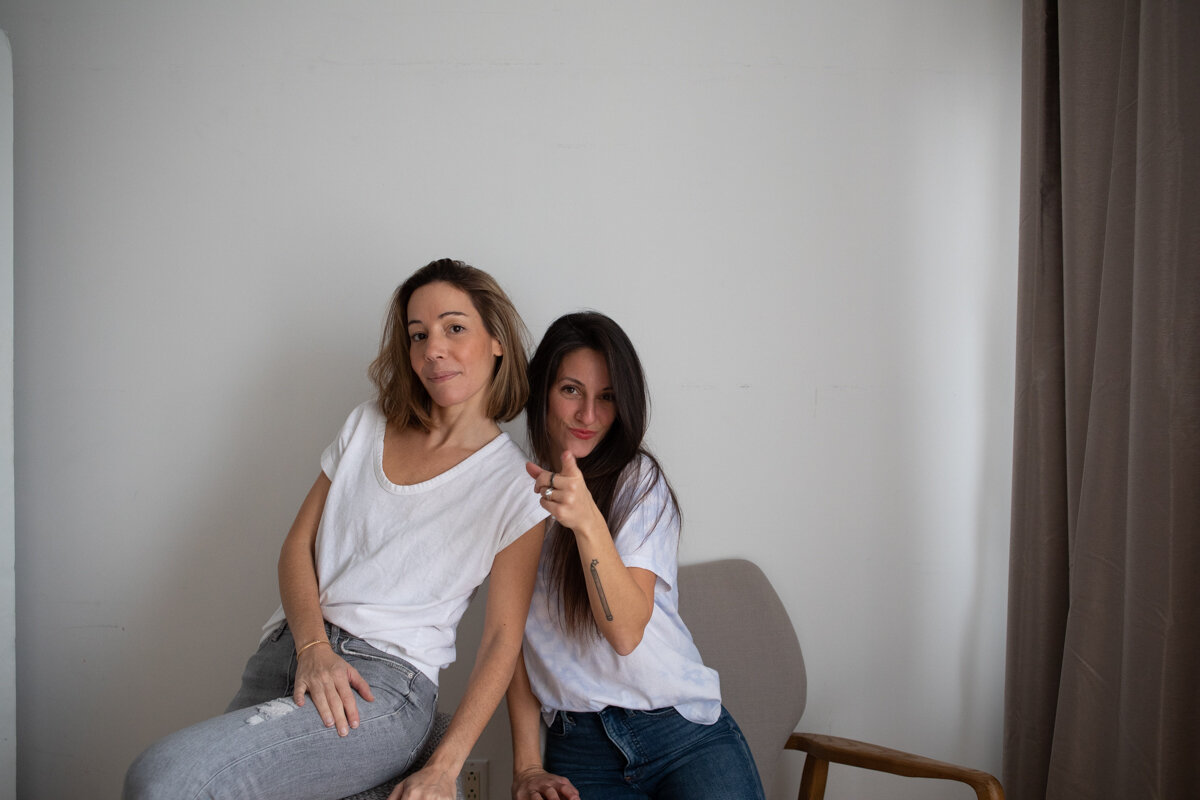
It is challenging not to live vicariously through our children. I don’t just mean in the simple way of forcing them into a sport you love because you never had a chance to do it and now, through your kid, you’ll get to live that dream out. I mean it more in the tethered soul kind of way. A being rebounded in time, it was just this year that I celebrated my eldest daughter’s seventh birthday. An age that marks my initiation into sexual trauma. It seems nearly impossible, even with all the therapy, education, and healing I’ve done, not to see myself at that age, bouncing around innocently, yet being inducted into the life that would seize me for years to come. I find myself trying to perpetually balance my fears, because although they were based in reality for me, they do not belong to my daughter(s). It’s a hard balance to strike, as that danger is not an imminent threat, yet it feels almost impossible to not be teleported and, in a way, see myself through her, and witness what I lost at that tender age. Motherhood has given me a front-row seat to my childhood.
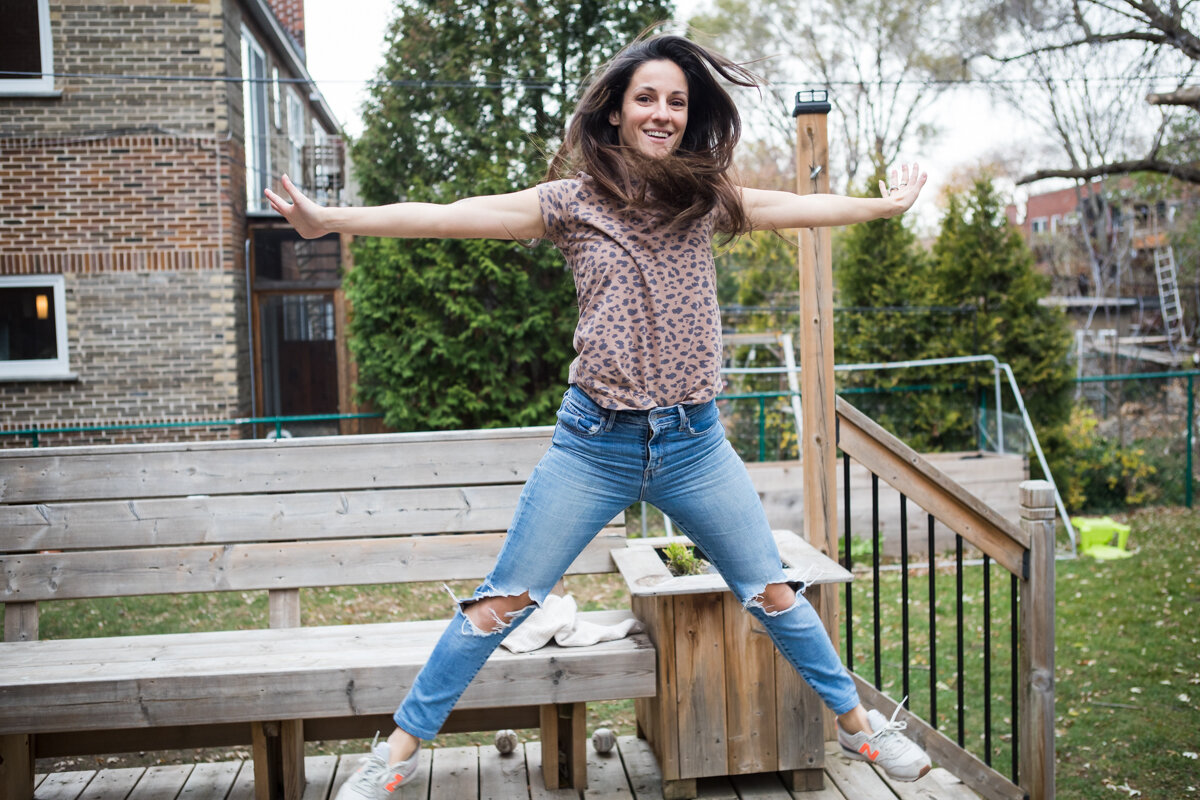
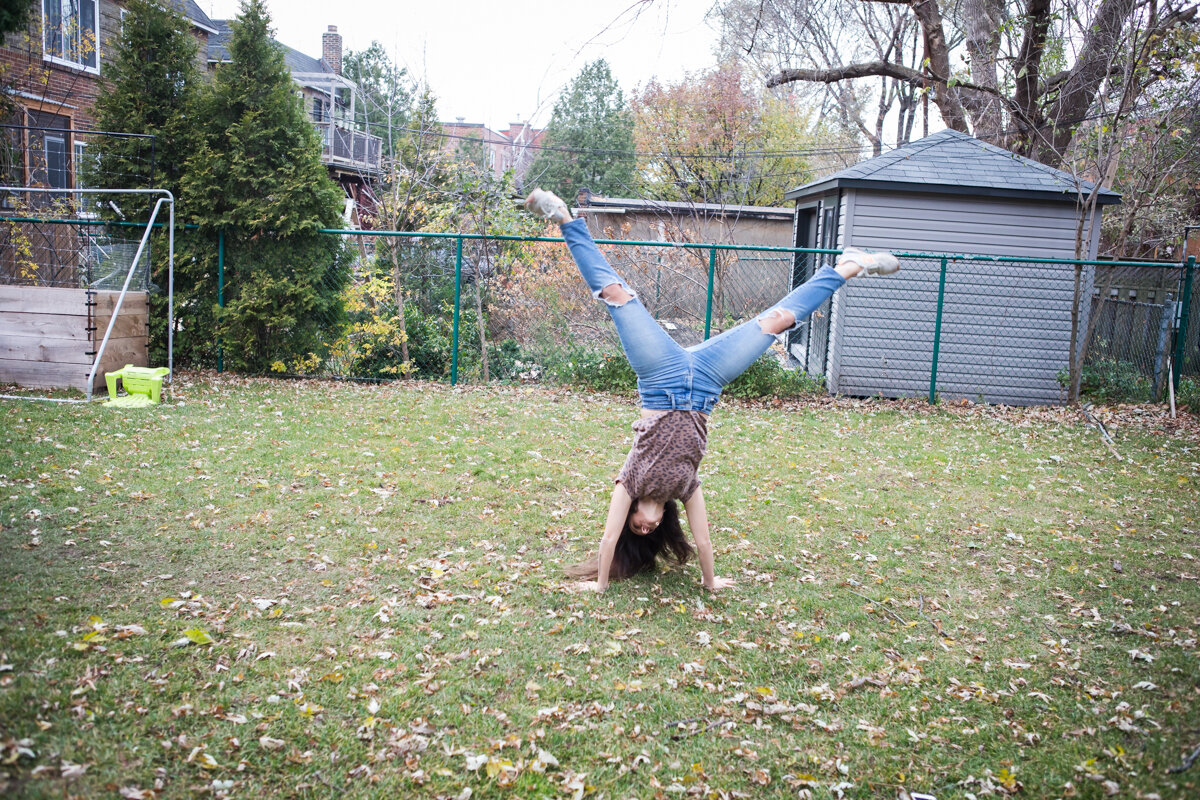
Although motherhood has felt like a passport to freedom in many ways, there is also the flip side of the flight that has bungeed me to my home in way that doesn’t always feel so unencumbered. My husband and I had a short-lived romance, as our lived pre-children was but a year long. Then, within the span of three years, we had three kids and 2 miscarriages. My body changed, my relationship with myself changed, my time was constrained, my sleep was negligible, my hormones were whack, and my life had basically been turned upside down. I was no longer me in any way that I could recognize. Yet, there I was, complaining about the things that some people pray for. I had lived 3 miracles, and all I wanted was to regain Alecs back. I wanted to be seen, but it almost felt like I wasn’t even there. Sex weaned, romantic date nights were non-existent, and the more we tried to connect, the bigger the space between us grew. It’s taken about 8ish years for the current to calm, and now, I think partially due to the pandemic, our relationship is reborn. Forced to sit in each other’s company, no escape, 24/7, has afforded me the comfort in knowing that people fall out of love. But, to allow your relationship to work, you must hold space for that loss so as to allow yourselves to fall in love again. We had tried to get back to what we had before children, but so much had changed. Rather than viewing our relationship as permanently loveless, we worked on it, and are actively working on it every day. We acknowledge that falling in and out of love is part of what makes a relationship move forward and evolve. Alicia Keys was certainly onto something there.
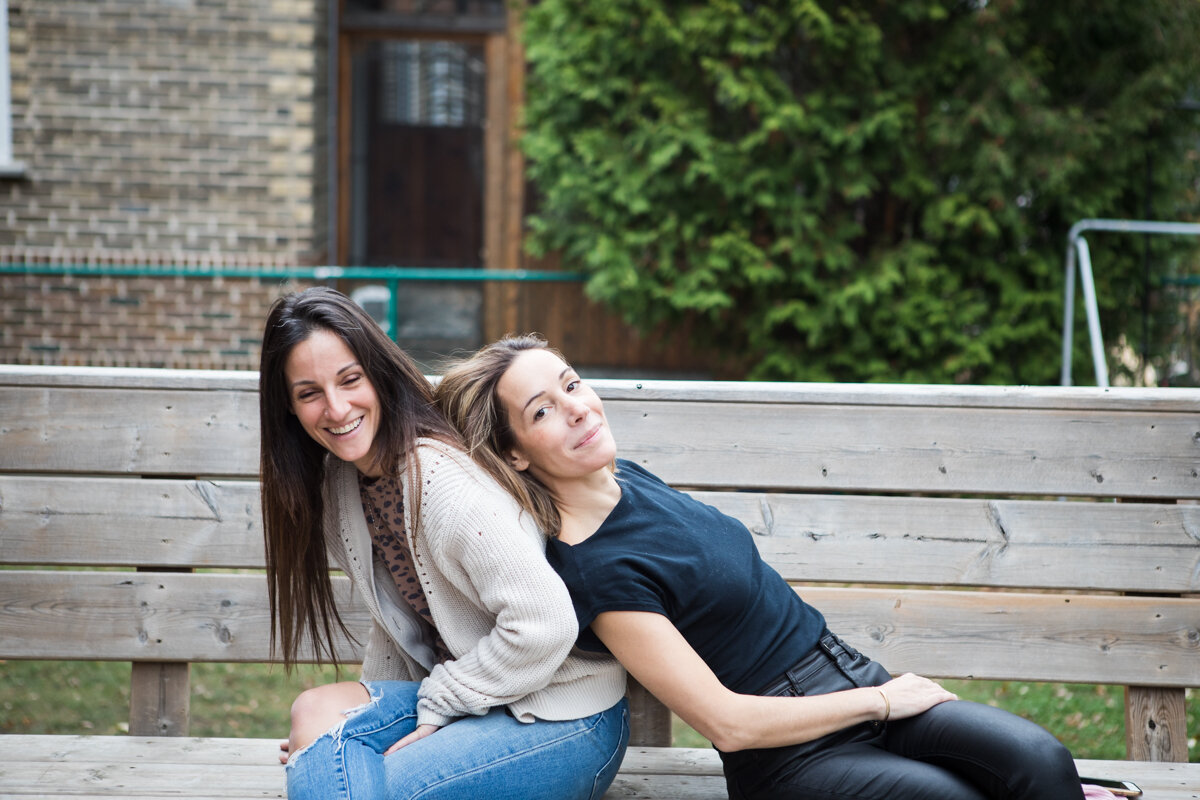
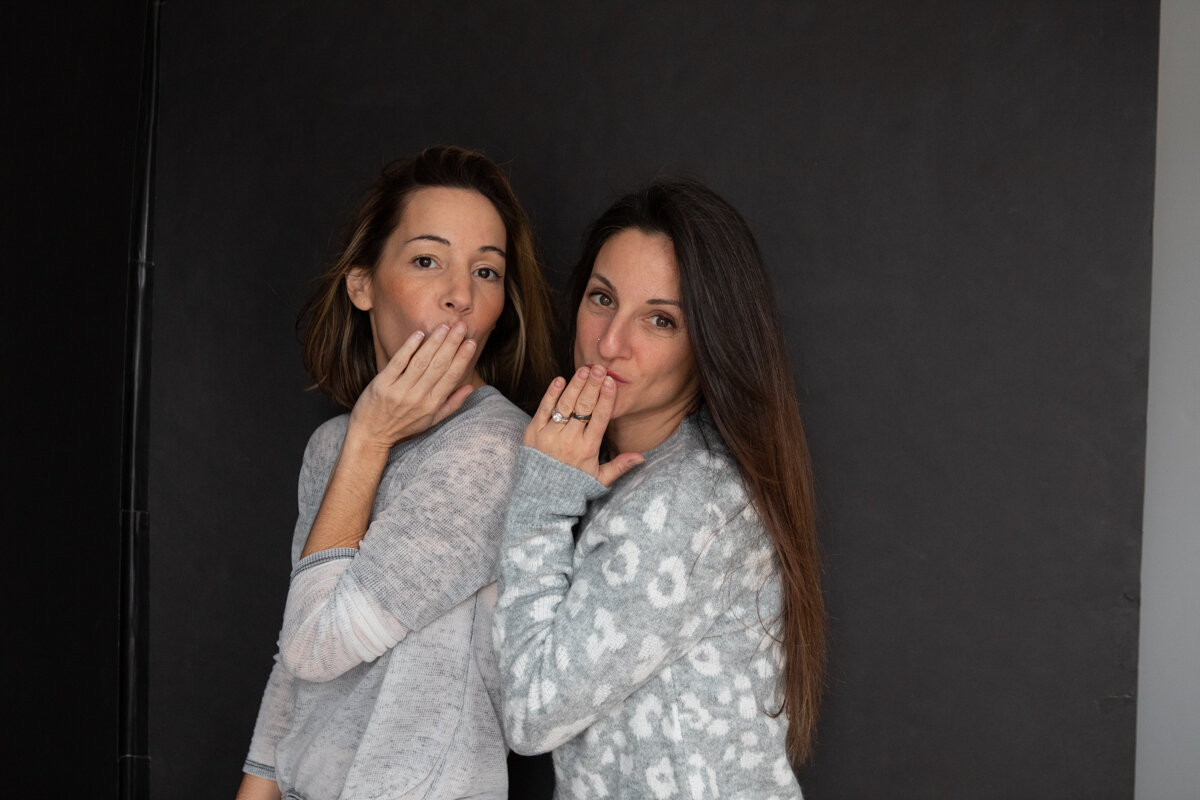
I was learning to navigate motherhood amidst a community that wouldn’t outwardly acknowledge how freaking hard it was. All of it. The loss of my old self, both physically and emotionally, oh wait, and professionally, was the hardest pill to swallow. I don’t know that it’s like this for every new parent, but for me, it didn’t come in waves, it was tidal all the time. I had left my job in publishing and became a stay-at-home mom with a freelance writing side hustle. There was (and still is) such stigma about stay-at-home moms versus working moms – such judgment and shame. So many opinions. But, all I knew for certain was that I couldn’t wait to get back to work, find something I loved again and dive right in. Writing has always been my doorway to self-exploration, therapy, and growth. My Profile Projects 2020 was very much a step in my journey toward finding myself. Through each interview, I observed how impactful our relationships with our parents are and how forming they are to every little piece of our characters. Our parents shape us, influence us, guide us, show us the world, reflect our realities, define our boundaries, and help us become who we are. In my tour of over 52 women, I can say that each person brought forth examples of how their relationships with their parents affected them in an overwhelmingly profound way. I always knew that must be true, but there is comfort in speaking to people from all walks of life only to find out, we are all connected in that way. 
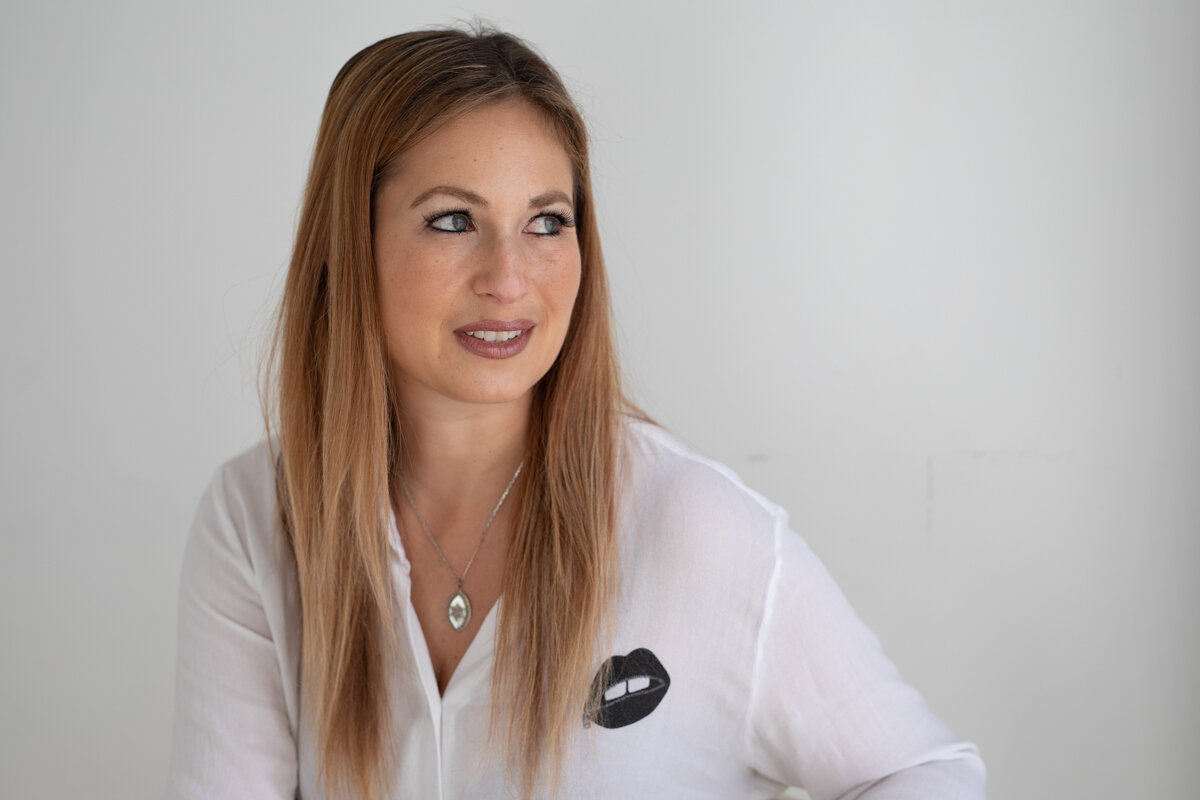
Thank you for joining along on this journey. It has been meaningful to us in so many ways.

Your contribution, whatever it may have been, has been invaluable.

Joy: An Eponym

Written by Alecs Kakon

Photos by Jen Fellegi

*Trigger Warning*

Life throws challenges at us, but as some would believe, we are only thrown the ones we are equipped to handle. While a part of me can find flaw in that symbiotic way of thinking, the other part of me wholeheartedly wants to prescribe to the belief that I am strong enough to overcome whatever comes my way. As a child I most certainly was not. Rather than dealing with anything, I invested in a huge broom for sweeping and what not. But, as the years accumulated, along with a mountain’s worth of emotional debris, I acknowledged that I needed to procure a different sort of cleaning device for clearing away the pain, the symptoms, the triggers and so on. What I learned is that when you invest in yourself—treat yourself to some self-care, self-love, self-reflection—a lot will surface, making room for positive space in your heart where gratitude and happiness can reside. It was such a foreign concept to me, until just recently, the whole “everything happens for a reason,” or whatever, no longer felt cliché. If I look closely at the narrative of my life thus far, there is a storyline that is being woven, and with that comes overarching themes, symbolic knots that are tied up, and meaning to moments I have yet to discover. Listening to Joy tell her story of survival, I was moved beyond awe. Her resilience, her perspective, but most of all her sense of self. Joy sought comfort in knowing that the fabric of her being could withstand even the fastest growing tornado.

profile-projects

Born and raised in the depths of the farthest corner of Montreal, Joy grew up right near an ambulance base. Like a beacon of future dreams, Joy discovered her passion very early in life, and true to her character, it was a profession wrought with warrior strength, skilled calmness and caregiving qualities. “I remember being so young and walking by the base, stopping to stare up at it knowing that one day I would work there,” Joy describes. “I just knew it was coolest, rawest feeling to be out in the field and helping people, prepping them before getting to the hospital. You never know what you’ll be called to answer, but you have to be ready. It was just so neat.” Starting her studies to be a medic at 17, Joy had to wait until she was 18 to start her stage, and off she went into her lifelong career as a medic. “Six years ago an elementary school asked if I could come on once a week to do First Aid. It started part-time, but now I am work there full-time as the First Aid Coordinator, but I still keep my ambulance shift once every 2 weeks. It keeps my skills up and keeps me current, but honestly, I’ve been with my partner for 22 years and the truck is just my happy place.”

Barely 2 years into the job, Joy was faced with a reality-rupturing experience. “My daughter was on a competing dance team and I had made good friends with a bunch of the moms from the team. One of the moms I had grown close to was diagnosed with breast cancer. It was a shock to all of us. She was our peer and she was our age. It was insane. I immediately checked myself,” Joy explains. “I had had a breast reduction the year prior and one day, right near my scar felt uncomfortable. I gave myself an exam and I felt a massive lump. It was the size of a golf ball. I screamed to my husband and yelled ‘oh my god I don’t want to die’. I was crying inconsolably. I had been checking myself regularly, but this thing was all of a sudden really there. When I finally had my appointment, my GP confirmed that I would need an ultrasound. I spoke to my friend and she urged me that no matter what the ultrasound said, I should insist on a biopsy. ‘Don’t leave there without a biopsy,’ she repeated. I remember being in the office alone, wearing a pink gown and the song wind beneath my wings was playing, it was like a bad cancer commercial.” Chatting during her appointment, the doctor just stopped at one point and turned to Joy and said, ‘yeah, there’s something there.’ Joy thought she would need to insist on a biopsy, but the doctor assured her she wouldn’t be leaving without one. “I had to wait 72 hours for the confirmation, and when it came it hit me hard. The doctor kept repeating fast growing, aggressive, cancer, and which hospital would I be transferred to, and I just thought ‘will I be able to watch my kids walk down the aisle?’”

profile-projects

Joy got her team of doctors ready and off she went for 16 rounds of chemotherapy prior to her planned surgeries. “I had these unrealistic ideas that this would all be contained and it would be a minor bump in the road and I would be fine. The first 12 rounds went fine, but I reacted badly to the last 4. My body wasn’t handling it. Think of the worst movie of that woman being sick, tired and nauseous from chemo… that was me. Until then I had been Joy, wig, lashes, makeup, a strong smile – no one had to worry about me. I had this, I was fine. One night it was so bad, I showed up no lashes, no makeup, hat on, no wig and the doctor just looked at me and said ‘wow Joy, you look really sick,” Joy remembers. “Those last 4 rounds were bad and they kept having to delay and push back sessions, it felt like the end was so close and it was almost over and then it would be prolonged. It was never-ending.” Joy made it through with her greatest weapon of all: throughout the entire course of her illness, she kept a face she could recognize, she remained the person she knows herself to be. Rooted in solid Joy (and her name couldn’t be more fitting), she survived Triple negative cancer, had a double mastectomy and a hysterectomy, she carries the BRACA-1 gene mutation and wears her cancer scars like a the hero that she is. “Throughout it all I just never wanted anyone to worry about me. I am the helper, I am the caregiver, and so taking care of myself was important. Looking like myself as important. I want people to know me, see me, I don’t want cancer to be the first thing they see when they think of Joy.”

Four years in remission and Joy is almost declared cancer-free. “I’m not cancer-free yet, and it’s scary because it feels like those last 4 rounds of chemo, like that declaration of ‘cancer-free’ is right there, I’m so close, but anything could come along and delay it. I get a migraine and I get a CT to rule out cancer. I have bad blood tests and I’m checked for kidney cancer. It’s always right there with me. My body is reminder of what I’ve been through also. I’m tired, I ache, I feel like an 85 year-old woman sometimes. I was in such good shape 4 years ago and I get frustrated that I’m not there yet. But I’m grateful.  I look back and think ‘holy shit, I can’t believe what I lived through!’ But you know what, while I was in it, I never stopped, I just kept pushing. I jumped back into my life pretty quickly; I was impatient to get my shift back because being someone who saves other people is who I am, it’s a huge deal for me. I may have pushed too fast too soon, but I had to get back out there to be myself again. It’s my identity. That and my hair is finally the length it was before chemo and I am never cutting it!”

profile-projects

A mammoth diagnosis at 35 that changed the course of her life, Joy’s sense of conviction and self beamed through her storytelling and I just listened in awe. Some people truly are just cut from a different cloth and Joy’s resilience is a testament to that. As we closed our conversation, Joy said: “I recently got into an accident and I thought, great, I survived cancer but this is how it ends!” She giggled. One broken arm later, Joy knows that being back in that hospital felt iterative of treatment, one IV catapulting her back in time, but “I’m strong. Life happens, but I’m equipped. I can handle it and I can power through this. It’s who I am.” Tracing the thread of her life back to that little girl who stood staring up at that ambulance base, dreaming of the life she would live saving people, the symbolism of Joy’s life is not lost on me: she answered her calling, and no matter what life throws at her, she is always at the ready.

The Space Between

Written by: Alecs Kakon

Photos by: Jen Fellegi

Viktor Frankl, Holocaust-survivor and brilliant mind explained: “Between stimulus and response there is space. In that space is our power to choose our response. In our response lies our growth and freedom.” So many poignant nuggets of life learning can be derived from this statement. My train of thought takes me to a personal place of how we as humans tend to hold on to the bad. We know that learning and letting go is the healthier way to go about life, but something about holding on feels ironically more comfortable. It took me decades to stop taking this way of thinking at face value and truly integrate it into my way of being. It’s simple really: by dwelling in the negative, we stay stuck in our thoughts, stuck in our emotion, stuck in time. By tuning in, reflecting, we gain insight, we gain distance. We become more emotionally agile and therefore make space to grow. Frankl’s words resonate so deeply at this point in my life when there are so many external moments that force my face into puckered tension. But, as I practice letting my feelings move through me, I find space for self-compassion and rather than watching that conveyor belt of time slide beneath me, I too can move forward with weightlessness. Sitting with Aryana, these thoughts floated around at every turn in our conversation. She spoke of her upbringing, her mental health, and overall outlook on life, and there it was – gratitude and self-love.

At 24 years old, Aryana has a world’s worth of depth that brought clarity to my blurred vision. Describing her family life, Aryana’s relationship with her mother takes the spotlight. “I am literally speechless at all that she’s accomplished. My mother raised my siblings and I as a single mom. It’s incredible, and I think I only came into realizing how incredible it is now that I am a young adult,” Aryana starts. “I see how much she really did for us and how little she did for herself. Even though we lived on low income, I always got everything I wanted. I felt spoiled and not just with stuff – my mom was always around and there for us. She showed us strength and resilience, but she also showed vulnerability. She always trusted me and expressed her emotions with me.” The balance of seeing a strong woman raise her children and holding a career while also sharing her struggles and letting her children see what true life looks and feels like was the harmony Aryana taps into as she grows into her independence and is challenged with everything from school and work and also love and navigating the world from a vulnerable and real place. “My mom did a phenomenal job raising us, and now that I have some perspective, it’s even more incredible than I can understand. She showed me what an empowered woman is. I hope I can reciprocate what she’s given to me.” Growing up with her mother and an occasionally present father, Aryana could’ve focused her energy on the absence of rather than the magnanimous presence of, but as she pointed out, “I am satisfied with the profound work I’ve done in unraveling that aspect of my life. I found the meaning I was looking for and I am happy to close that chapter for now.” Choose. Because, with a powerful mind, that is ultimately what it is: a choice. 

Having struggled with her mental health since grade 8, Aryana was no stranger to the world of medicine and therapy. She had full trust in a system that would eventually put her life at risk. “I remember when I was on a trip in Italy with a girlfriend a few years ago and I received an email from my university saying that I had been in contact with someone who had an active case of Tuberculosis. I had to come back and get tests done After a few inconclusive tests, I found out I have latent TB, which is an inactive case that means I have a really small chance of it being ever becoming active. I was put on medication for 9 months. But that medication didn’t interact well with my anti-depressants and anxiety medications. It had a significantly negative effect on me. I had to admit myself to the hospital – I was in such a dark and scary place and that was because my prescriptions were creating a chemical imbalance. My life was at risk and I felt really betrayed by the medical system. I was not in control of how my body and mind reacted to the meds and being at a total lack of control was really scary. I decided to go off all my meds.” With a few years distance, Aryana goes on, “I realize now that it’s a process to find the right meds that work for your body. I went back on my meds and I am so appreciative of it. My outlook on reintegrating the proper medication that works for me into my life. Once I found the right fit for me, I could better restore who I am. I’ grateful that I worked through that and that I was able to help myself. My journey in mental health was enough to teach me that even though I felt defeated, with new light and new perspective I can find a solution and I did. I found new meaning. I think that kind of thinking has really helped me and can be applied to many aspects of life.”

profile-projects

Aryana signs off with a closing note that put the perfect red ribbon around our conversation: “I have a tattoo that says ‘le mieux est l’ennemi du bien,’ it reminds me to be mindful and strive to do better and not aim for perfection. it’s about being satisfied with what you already have. I was always trying to be the best. I got so caught up in trying to achieve perfection that I failed to realize that what I already had right in front of me was more than enough. I think a big part of my mental health issues was striving for perfection and I feel rewarded and grateful in knowing that just doing my personal best is enough.” Aryana’s life has presented a few occasions for her to dwell in if she so chose, but instead she chose growth and freedom. Wait up, I’m right behind you!

Love Me the Way I Am

Written by Alecs Kakon

Photos by Jen Fellegi

Once we have enough distance from the pain, once it becomes but a memory, is it then that we have the full panorama of meaning? Is time all it takes in order to make sense of our past? Is it time that allows the experience to be fully absorbed, paving way for perspective so we can truly understand the impact of a moment? It’s almost impossible to have full comprehension of an experience while living in it – time is that invariable factor that brings meaning to the surface. The more time we spend mulling over the events of our past—sifting through memories—the deeper our sense of self-awareness becomes. We shape our past as much as we are shaped by our past and it’s thanks to our good ol’ buddy time that we have the opportunity to explore the endless possibilities of where meaning lies and what we will choose to make of it all. It’s more than just a backward journey of self-discover; it’s more than reconstructing in hindsight. It’s about standing firm in the knowledge that we have more agency than we believe. We can travel back in time and love ourselves from the inside out, because from my experience, self-reflection begets self-forgiveness, self-awareness breeds self-love, and that my friends is the only way to leave the past in the past. Chatting with Hillary, we shared feelings, memories, laughs and many truths, all of which were punctuated with deep reflection and soothing sense of self-acceptance.

profile-projects

She was only 2 years old, but she remembers the scene vividly. Sitting on the staircase leading to the basement, she overheard her parents in the kitchen having a fight. Unaware of what the argument was about, she remembers her father getting up, closing the door behind him and never coming back. “I was only recently told that he left because my mom asked him to choose between us and his family in Israel. I guess he chose his family there, because he left and that’s that,” Hillary explains. “Those years between the ages of 2 and 5 are very important for a child. I was definitely a traumatic experience and the imprint it left starting taking shape through my stuff like weight issues and self-esteem. I can’t remember much from those 3 or so years, it’s all a blur, but I would say it all stems from there.” Although Hillary never missed out on that father figure in her life, she most certainly felt like “I had less than everyone else, because they had this picture perfect life of a mom and dad, and I looked at my life and I had less,” Hillary describes. “But, my mom was a strong single mom. She had a full career, raised 2 kids and she really made something of herself. She’s showed me just how capable a single person can really be. She was my mom and my dad. She made sure we had a happy childhood. She would send us birthday cards signed by my father just so she could protect us from potential pain of being hurt by him. I also had a very present grandfather, he was a constant in my life.” Having to play the role of both good guy and bad guy, Hillary’s relationship with her mom felt the strain and weight of the challenge.

Battle scars written all over her body, Hillary “ate her emotions.” In fact, internalizing all of the hurt, she hadn’t known how to process her feelings and thus began her unhealthy relationship with food. “I was a big girl. No one really knows this from social media, but I’m actually 5’10. When I was 2 years old, I looked like I was 4 years old. By the time I was 10, I was 100 pounds.” This weight gain became a point of contention between Hillary and her mom. “I didn’t understand why I ate the same things as my brother and he would stay thin and I was gaining weight,” she recalls. “He had a safe in his room with foods like Oreos, Pop Tarts and whatever junk, and I had the kitchen pantry that was filled with snacks that were sugar-free or light cheese. Nothing a 12-year-old wants to eat.” With so much attention directed at how she looked, Hillary knows now that her mother was trying to help her, but she states, “I just felt she didn’t like me because I was overweight. Still to this day she talks about how I look; it’s always a focal point of conversation. It seeped into my self-esteem and how I saw myself. Incidentally, rather than having a positive effect on my eating habits, it exacerbated my relationship with food. I started rebelling: I wouldn’t eat 2 sugar-free cookies, I would eat the whole box. I started becoming addicted to food, it was like my therapy.”

profile-projects

With residual shames about her physical self, Hillary has recently come into a deep sense of self-compassion. Letting go of external expectations put on her body, she has chosen to forgive herself, accept herself and direct kindness her way. In a vein of Sonya Renee Taylor My Body is not an Apology, Hillary has chosen to love herself. “I’ve had 3 weight-loss surgeries, and I’ve recently been able to keep off 50 pounds. But, the instant trauma hits, I spiral. When I lost my grandmother and I gained a bunch of weight back, when this pandemic hit, well it was a rough year. I have accepted that it is a daily battle. I’ll probably deal with this for the rest of my life. Even though I have accepted that, it still hurts to be called fat, it hurts to be given advice by everyone who thinks they know my body better than I do. I’ve tried everything. But the truth is, this is who I am. My husband recently turned to me and said ‘If you’re happy, that’s all that matters. I love you just the way you are.’ I think that was the thing I’ve always needed to hear. Thinking that someone’s love was conditional on how I looked or how much I weighed doesn’t allow room for self-acceptance. Being told to change who I am or try harder to be smaller, well, it makes you think that you aren’t good how you are.” I asked Hillary what she might have done differently if she could mother her younger self. She replied, “If I were to talk to my younger self, I’d say nothing. I’d let her live her life and experience things on her own. I didn’t need to hear it from my mother. I think being told that how I looked was a problem was the real problem. Maybe had I just felt accepted, I would’ve accepted myself.” It all starts there: radical self-acceptance. 

Celebrating herself on social media has been a space of therapy for Hillary. Wrestling with notions of “normal” her whole life, it was a welcome breath of fresh air to know that her “belly dance” was a point of relatability for her. “I poke fun, because I’m having fun. It’s real. I’m not perfect, and that helps people feel better about themselves. We all have different bodies, we are all our own people, we should own that and I want to shed light on that. I’m on a wellness journey and I decide the terms. I’m not influenced by how the world sees me. I just want to be healthy,” Hillary goes on: “I’m tall, I’m big boned, I’m me, and I love myself.”

The Clay that Shapes Her

Written by Alecs Kakon

Photos by Jen Fellegi

One of my favourite writers of all time, Jorge Luis Borges once said: “All that happens to us, including our humiliations, our misfortunes, our embarrassments, all is given to us as raw material, as clay, so that we may shape our art.” Bridging two thoughts from this quote, I am reminded of moments in my life that I felt happened to me, as opposed to those moments that I believe I made happen or that I actively chose participate in. Those moments that I fell into or that took me over are punctuated experiences that I resisted internalizing, perhaps because I feared the impact it might have on my character or perhaps because I rejected the notion that any external force could have such a profound impact on my identity. Try as I might to withstand its integration into my being, impact shows up, shape is affected, and whether we like it or not, everything—from our environment and company we keep to senses and experiences we’ve had—are a part of us. Every moment is the clay with which we may shape our art, as Borges explains. Sitting with Suyin, these thoughts floated to the surface. She wove through her narrative this notion of choice. It was beautiful really to hear her speak of hardship and life challenges with such openness. Choice, she explained, is more than how you show up or take part; it’s more than owning it, living it and sitting with it. Choice is a cascade of tiny moments that are presented daily, and it our ultimate freedom to exercise the choice of perspective and impact. If reflected upon with consciousness and self-awareness, the only thing that can ever truly come of any experience—good or bad—is a stronger more resilient self.

profile-projects

At the ripe and tender age of 7 years old, Suyin was faced with a major life change. She was forced to either grow up and snap to or potentially fall apart. Perhaps it is her inherent character to put forth strength or perhaps she was able to assess the situation and play the role that was obliged, but Suyin became her brother’s protector and caregiver, putting the needs of the moment above her own. “My father became an alcoholic,” Suyin describes. “He was very sick for 6 years. My mother had to tend to him, take care of putting him in and out of rehab, and it was all just too much. So, I moved my brother’s crib into my room and would wake up with him in the night to feed him, change him and put him back to bed.” Describing the time as quite virulent, Suyin goes on to explain that her father was a tender who raised her until he began to drink. “It was hard for me to accept that he was violent or could hurt us, because he was a when he wasn’t drunk, he was such a gentle man. I guess I made excuses for him. The truth is, he couldn’t even comprehend that he had turned the house upside down or that he had hurt us. He would wake up in the morning and see the state of the house and he couldn’t understand that he had done that. He eventually realized how sick he was and he got the help he needed.” Hand in hand with her father’s recovery journey was Suyin’s entry into the Al-Anon support group for children of alcoholics. “At 13, I went into the program and it taught me so much about myself. I learned how to express myself and communicate my feelings. I learned to sit with the sadness and allow it to move through me. I was taught how to celebrate the little joys, because one day without a drink was a victory. I learned to acknowledge my pain and I also learned to wallow in self-pity.” Choosing to transform these profoundly volatile and hard years into a bedrock of resilience, Suyin has been on a lifelong path of self-acceptance and self-love ever since.

Reconciling her father’s past, the tension with Suyin’s mother began to surface. “I had done the work and had forgiven my father, but my mother was angry and it was harder for her to move on. I watched her rebuild her life and I understand how difficult her situation must’ve been. Her family blamed her for my dad’s faults. In Chinese culture, a woman takes care of her man, and I guess she didn’t hold up her end of the bargain. To make matters worse, they got divorced and you just don’t do that.” Suyin continued, “It was hard to live with my mom after the divorce. She was a tiger mom in a lot of ways, and our differences got the better of us at the time. So at 16 I moved in with my dad, but ultimately, I moved out on my own at 18. I’ve been paying my way and taking care of myself for a long time. I put myself through school, I had 3 jobs round the clock, and although I worked the bar and club scene, I never let the party get the best of me,” Suyin explains. It was once she started dancing with the Alouettes that Suyin was discovered for her dance talent. Asked to audition for a casino musical, she was in her early 20s when her 12-year dance career began. “I went all over the world and performed everywhere. It was an intense decade, and eventually I just wanted to find home.” Returning home, Suyin picked up where she left off prior to dance: early childhood education. “I allowed my innate passion for children to guide me in my career choice and I pursued a home daycare. I had a successful private daycare for 8 years and I loved it. Although my love for children did not subside, the administration part of it did and I felt the calling for a new profession.” 

profile-projects

Currently working as a barre teacher at B.Cycle and professional organizer (Suyin is actually diploma-ed in Professional Organization!), she has found a way to fuse her passions for dance and organizing together and finds extreme fulfillment in her work life. Although she tried tirelessly to have her own children (5 unsuccessful rounds of IVF), Suyin focuses on the what she does have and what may come. “I am so fortunate to have the capacity to love all the children of the world. You know, some people don’t love kids until they have their own. I love all kids. My friend’s kids, the kids I “mothered” in daycare, and maybe one day I will have the chance to have children, either by adoption, surrogacy, or maybe even try again to get pregnant. Who knows.”

profile-projects

Putting things in perspective, Suyin shows how she moulds her clay to shape her being and not the other way around. “Three years ago my whole life was staring me in the eye. Everything changed. With deep thought and a lot of soul searching and I am grateful for my resilience. A lot of people would live through what I lived through – an alcoholic father, trying to have a baby, my relationship ending, my father passing – I mean these were major hardships and challenges in my life, but they were all moments that allowed for deeper soul searching and I am so fortunate to have been able to overcome every struggle and come out stronger. I never gave up on myself and I never felt the urge to. I have a strong intuition that I listen to and I let guide me. I choose me and I choose happiness. I can say that I am happier now than ever before.”

The Dual Self

Written by Alecs Kakon

Photos by Jen Fellegi

Is there a self you can see, floating somewhere in a place you call the past? A self not left behind, but another self; a self that might’ve been. I think most people, especially the ones who get lost in self-reflection, find punctuated moments in their path that helped shape who they are. And then, for some even more contemplative, we revisit moments and live out a sort of “create your own adventure” of our lives. Not because we want to change the present, not because we romanticize the past, but rather because we acknowledge that every movement of a wrist, every breath in speech, every flicker of a light can impact our road, and therefore contribute to the formation of identity. It’s not an endless cycle of what ifs. No. It’s the thoughtful introspection and deep recognition that what we’ve lived is what makes us who we are. There are bifurcated paths at every juncture if we choose to see them - if you stop to bring consciousness to those moments, that is when you feel that connection to yourself; that is when meaning and purpose find their way into your life. Sitting with Darina, we chatted about how the duality of her life is what manifested her singular and unique identity, an identity she has both an intimate relationship with, yet still has so much left to discover.

profile-projects

Born in Kharkov, Ukraine, then known as Soviet Russia, so much of Darina’s socialist upbringing informed her perspective on life. Although she describes her upbringing as quintessential—replete with a loving family and enriching experiences,—a natural part of Darina’s cultural landscape was socialist Russia: “People idealize Soviet Russia, they say the times were simpler, and although there are moments we can be nostalgic for and positive stuff we can take away from those times, it was really tough. Stipends, deficits in household goods, queuing up for food, poverty and general struggle for many people.”

The juxtaposition of the social reality versus an innocent childhood only truly came to consciousness when Darina was 9 years old and her family packed up to move to the west. “Growing up, we weren’t connected to the Western hemisphere. I had no idea that there was another kind of life. I truly never felt deprived because in my family, the focus was on memories and experiences rather than materials. My great-grandmother raised us and we never knew that there was something missing,” Darina explains. “Only when we moved to Montreal, did I realize what I was missing all along. I know I was only 9, but, all of a sudden I just knew here we had more choices. We had freedom; it certainly felt like a liberation. I remember being in awe that we didn’t have to line up at the McDonald’s and even more than that, this highly coveted symbol of this glorious western life in Russia was available on every street corner here. There was definitely some cognitive dissonance, this friction that forced me to reconcile the differences between the two worlds.” Before having moved to Montreal, Darina had only really known a life of political strife: “It’s funny, because in grade 1, we had these textbooks to learn the alphabet, and on the inside flap were these propaganda lines ‘Lenin lived, Lenin lives, Lenin will always live!’ I didn’t think anything of it. I mean even when we would be in Syria—where my dad is from—the similarities of having an ever-present, omnipotent president was in everyone’s lives. It’s all I knew. But then we moved to Canada,” Darina states, “I think the absence of it here made the presence of it there so much more apparent.

With powerful reflection, Darina then quotes: ‘In our country,’ said Alice, still panting a little, ‘you’d generally get to somewhere else—if you run very fast for a long time, as we’ve been doing.’ ‘A slow sort of country!’ said the Queen. ‘Now, here, you see, it takes all the running you can do, to keep in the same place.’
profile-projects

“When we moved here, I felt the impact. I always felt I had to run twice as fast as the people around me just to keep up,” Darina explains. “There were many factors that contributed to that, like moving here and being an immigrant, speaking a different language, even just roles within the home—translating driver’s license textbooks for my mother, I mean that’s not a typical thing for a kid to do. Who I am, especially in relation to my parents, was never typical and I am aware of the fact that had we stayed in Russia, I might’ve been a whole other person. But what came out of it is that I developed these characteristics to never give up.” At the baseline, life is difficult. It’s expected. Learning to be comfortable with the uncomfortable drove Darina to develop skills that she might never have otherwise cultivated. “Whether it was moving to a new city, getting my first job, finishing my Master’s, every milestone was hit because I developed grit and perseverance.” Darina took her cues from her dual identity and found symbiosis in their polarities. “I learned to find beauty in the little things because in Russia, that was how the everyday became special, and I learned to make the ordinary extraordinary, because it eventually just became who I am.” We, the collective we, have increasingly placed importance on the material over the immaterial and with that way of thinking, an essential part of life gets lost.

All grown up, two kids in tow, Darina has had many homes and has worn many hats. Returning to Montreal after nearly a decade in London working at Sotheby’s auction house, Darina’s biggest challenge is grappling with reimagining her identity after having children. “I think when I became a mother I had difficulty finding myself, my identity. When you give birth to your child you give birth to yourself as a mother and you can’t anticipate or predict what kind of mother you’ll be. I had no idea I would want to be as hands on as I did. I was surprised to learn that I found such pleasure in raising my children. I want to be so involved, but I also want to find a creative outlet for the work I love. I get so much pleasure treasure hunting and finding beautiful pieces for the home. Orchestrating these beautiful and cozy moments to create a welcoming home, it’s just one of my purest joys. It’s like a mom-life crisis!” Darina laughs. “It’s both the loss of an identity and this multiplication of identity. Finding myself amidst all of this – I have to calibrate who I was with who I am and who I can be. Questions of reimagining and reinventing myself. The one thing I can say for certain is that although I have a long way to discover my full identity. I know it is made up in equal parts of my formative years in Russia and the person I discovered while I have been here. I think the dichotomy brought my unique identity to life.”

Inner Balance

Written by Alecs Kakon

Photos by Jen Fellegi

I place a lot of value on professional success. I believe that hard work and big ambitions are vital to a full life. I can take a few stabs at guessing where that opinion comes from (a deep-rooted fear of ineptitude perhaps?), and I do think about this a lot lately as I slowly seep into my late 30s and take inventory of what I’ve done and what’s still left to do. I have barely knocked anything off my bucket list with respect to my professional goals, but I can say that as of late I’m sitting pretty academically, and of course, family-wise, I’m grateful that the dart has hit its target. One day, I’ll achieve my career goals; I know I’ll get there, and then what? Well, there are those who have crossed items off their life’s to-do list and have had the chance to celebrate their triumphs, and when that happens, it would seem to me that goals begin to shift. As young adults, and even as middle-aged adults, our initial life aspirations are all set outside the self: what we want to achieve or what we hope life will give us. But, once those wishes are fulfilled, the types of plans we set out to attain take a ninety-degree turn from outside to inside (although, I’ve noticed Gen Zers have caught onto this trend earlier in their lives). Sitting for a chat with Rachel, a woman who has achieved so much professionally and personally, I noticed that the types of things she is currently working toward focus on self-development rather than external accolades. With profound introspection, Rachel now sits in moments of deep reflection as she has taken a step into her inner world to reveal that vulnerability, authenticity, and balance are her newest lofty goals.

profile-projects

Rachel is an Associate Professor of Modern Indian History at Concordia University. She is a mother of young twin boys. She is an academic and a scholar. She is a partner. She is a friend. She is all of these roles on any given day, and as she fulfills her daily duties, Rachel has cultivated a life for herself that centres on finding balance. Managing a schedule and finding time for all aspects of her life is but one of the definitions of balance; the other is managing the fleeting moments of real-life experiences and finding connection so as to infuse meaning into her personal life. Balancing daily schedules and having a balanced state-of-mind, two very different things. When an obstacle in life feels utterly insurmountable, it’s important to find perspective. When you feel isolated or alone, it helps to know that from tension comes growth. Shedding the self-consciousness and understanding that “we are all just human together,” is one way Rachel extracts purpose and balances all of the floating spheres of her life. Rachel recalls a moment in her life when she was trying to finish her Phd dissertation. Hustling through a busy coffee line up, she paused to notice the sanitation worker as he spontaneously began a communal sing-along to Hey Jude. “It’s a memory I think of a lot. It was just an instant of total connection and it was such a special moment.” By finding harmony from this event and linking past memories with current needs, Rachel is constantly balancing the scales of time—finding parallels and establishing connections—creating an equilibrium and sense of stability so that nothing will blindly pass her by. Living with intention and being present: a mindful balance that we can all strive to achieve.    

Trying at this point in her in life to lead with compassion and make every situation as human as possible is how Rachel continues to push herself. “Being vulnerable all the time, when appropriate of course, is what I’m currently working on,” she explains. By challenging herself to be vulnerable and learning how to show up for herself, Rachel shared that although being authentic places her in a space of potential hurt, she has learned that it’s more valuable to experience that deep intimacy than to miss out on possible real connections. Used to bending to fit the image others had of her, she has had the transformative realization that fitting into someone else’s good graces is not her place of truth. Rather than be happy in a relationship hinged on inauthenticity, “I am practicing radical self-acceptance.” And with that comes the pivotal thought that it’s ok if not everyone likes her or if someone is disappointed with her. Rather than seek acceptance from those around her, Rachel is choosing to accept herself. Making every situation that much more authentic, her biggest fear is no longer whether she will disappoint those around her, but rather how to manage feelings of disappointment. “I’m learning how to sit in sadness and let myself go to that place,” she explains. “I trust now that I’ll come up the other side.” Coping with hurt is a natural part of being vulnerable, and in the spirit of balance, it’s vital to see that although pain can come from being open, so can beauty. “I’m just going for a baseline neutral,” Rachel laughed.

profile-projects

Pushing herself to new endeavours, perhaps even a career change, Rachel will not stagnate; not in her professional life nor in her state of mind. When I asked her if she was happy, she quickly responded that “happiness isn’t about a feeling, it’s about contentment. It’s about perspective,” she explained. “Feeling ecstatic can fade, but contentment is the balance of knowing what you have and enjoying the experience of it. The same can be said of sadness and grief, because if you can learn to feel it, sit in it, but then let it go, then you might feel all of the extremes, but you’ll always find your way back to the middle.” A life made big through the world of her children, a career anchored on the quest for authenticity, a love made manifest through multiple friendships and the intimacy of partnership, and a shift in perspective, these present as the only viable ways to achieve a constant becoming. Rachel taught me that the concrete life goals I hold in such high esteem will all eventually get checked off, perseverance will surely get me there, but developing my person, my depth, my capacity to let people in and be vulnerable, will balance my inner world so that I can recognize my achievements and enjoy them.

An Ode to Motherhood

Written by Alecs Kakon

Photos by Jen Fellegi

How do we teach emotional skills? The immaterial system that regulates this machine of ours;   governs our ability to choose, understand our feelings, relate to others, identify the self and our sense of subjectivity, interact and behave, the list goes on. Our emotions, and ability to understand and regulate them, are not innate nor inherited, but rather they are more often than not explicitly taught as well as modelled and mimicked. I’ve learned that the source of understanding the self is rooted in the plethora of emotions we have throughout the day, sometimes conflicting, at times fragmentary and on occasion larger than we can handle. But, despite the immensity of the emotional system we house, we can benefit from healthier relationships with ourselves and others, if we spend time harnessing our emotional skills. I guess today, this all sounds so new age and common, but being mindful and aware were not as ubiquitous a way of life back in the day. Sitting down with Nicole we discussed what she learned from her mother and the role she played in her life and the lives of so many. We talked about how her mother expanded the notion of the nuclear family, and provided Nicole with a well-rounded example of emotional fortitude and resilience—which has ultimately allowed her to call on her positive constitution, inner strength and determination—all of which allows her to harness the perspective she carries with her each and every day.

profile-projects

Born in Nova Scotia, Nicole was only 2 years old when she was taken from her biological mother and put into the foster-care system. At 5, a couple in Montreal adopted her and so was the beginning of her family life. At the time of childhood, Nicole’s body had information that her mind hadn’t yet had access to. It would only be later, when everything came rushing to the fore—perhaps triggered by an acute incident or perhaps this chronic undertone that would finally implode—either way, there she was, confronted with her past. “A few years ago, I felt I was cracking at the seams. I had to think about whether this part of my life gave me issues or if it was just part of my past. But things were beginning to surface in me and I didn’t know where they were coming from. I had vivid memories of the years I spent in foster care – these horrible smells, a memory from this one woman’s house, I recall it smelled like mothballs. To this day, the smell of mothballs triggers me.” It wasn’t just these visceral moments that would continue to catapult her into her past, it was also this sense of survivorship that Nicole carried with her. “I was a warrior from a young age. I remember thinking as a small child that if I would just scream loud enough, someone would come help me. I remember thinking I just need to scream with every fibre of my being to get out of that bad environment.” Well, eventually someone heard her, because at the age of 5, Nicole was adopted by the parents who would go on to raise her into adulthood.

Despite being adopted, Nicole inadvertently started to physically resemble her mother. “I was my mother’s miracle child. She couldn’t have children. I was this super tall black woman and she was this 5 foot nothing Caucasian woman, and yet I feel like we grew to look alike,” Nicole smiles. “My mother’s mission in life was to help children. She was the most resilient woman on the planet. I was the only person she adopted, but she raised about 57 people.” Thinking about just how much the canvas of her past shaped her, Nicole reflects on the multi-racial home she was raised in, despite the homogenous neighbourhood. “Forty years ago, the government didn’t have services like they do today. My mom dedicated her life to raising kids, who incidentally, were black by majority. She totally changed the landscape of our neighbourhood. My mom couldn’t bear to see a child suffer, so regardless of their circumstance, she would take them in, provide them with food, education, clothes, and mostly, love. She was even awarded a plaque from the then-prime minister of Canada for her contribution in helping the youth of Canada; her purpose was bigger than her, and it was recognized.”

profile-projects

With a constant rotation of kids coming through her house, Nicole felt a plethora of feelings, some high, some low. “I would get close to a kid and then they would leave. At one point, I thought to myself, ‘someone always comes to get them, how come no one is coming to get me?’ But, I felt it then and I understand it now: I was always with my family, and what my mother was doing was nothing short of heroic.” With a mother who modelled strength and determination, Nicole was endowed with a sense of purpose bigger than the mundane: “For the longest time growing up, the secret of my soul was this goal to foster 12 children. However, as I’ve grown, my goal has shifted into figuring out how I can best continue my mother’s legacy by sharing our story. It’s another way I chose to honour a woman who will always be a hero to me and so many others.”

When Nicole’s mom passed away at 86 years old, Nicole was left with both her legacy and a life’s worth of memories. “We had such a strong connection. When she passed I put a whole year on hold to mourn. I had all these unresolved issues that started showing up, all of which I have started to extract lessons from.” Every pocket of Nicole’s life brought significant relationships and momentous experiences, each testing her strength and developing her character. “I pursued a career in acting, modelling, journalism. I had an 11-year stint at CTV hosting Passion for Fashion, I piloted shows, and I wrote and developed my own show called City Lights. I’ve done so much in my life, but at around 38, I left it all behind to move to NYC. I became a student again. I loved it, but I also cried every day for 2 years. I finished the conservatory, but ultimately, I couldn’t get a Visa, so I returned, pride in hand, because I had to start from the bottom all over again.” Knowing full well how impossible it is to penetrate those reporting jobs, Nicole attempt to pry her way back in. She succeeded, but wasn’t feeling the fulfillment she thought she would. “There have been a lot of twists and turns; not many people would’ve been able to overcome what I have lived through. But, I summon my mother’s strength, and I carry all of my cracks with me. I know what being loved can do for a person, I feel it in my heart when I remember my mother. She taught me how to love and be loved. Simply saying that out loud brings a smile to my face. She was a gift brought to my life, and my awareness of that is now my greatest strength. I was created in her image, that makes me happy.”

profile-projects

Chipping away at the emotional debris left behind from childhood all the way well into her turbulent 20s, even rockier 30s all the way until she would set forth to find her biological family to learn the truth of where she came from, Nicole’s life story is replete with unimaginable waves. However, every single one of those waves added to the depth of her waters making each and every experience indispensable in the making of Nicole. “Given my age, I’m at peace with the fact that I’ll probably never birth my own children, I feel like that won’t happen, but adoption is a possibility, and as my mother’s only child, maybe I’ll carry on her legacy. You never know, right?”

A Singular Being

Written by Alecs Kakon

Photos by Jen Fellegi

One thing I’ve recently taken notice of is the remarkable fluidity of culture. What constitutes culture? Is it a set of beliefs, traditions and ideals that turn a group of people into a culture? Is it the environment, the prescription of rules, a subscription to popular artifacts that distinguish one group from another? Once a “culture” has been demarcated, does that mean that the people within that group feel a greater sense of belonging, part of something bigger than them? Or, does it just further funnel people through a sieve of exclusivity, delineated by alienation from those not in their shared group? Segregated into an us and them society, culture simultaneously connects people who share commonalities, as well as establishes a distance between and within those same silos. Whether it’s race, gender, ethnicity, nationality, religion, or other, culture can, and in my opinion, does, devise an us versus them mentality. There is so much theory that goes into this way of thinking and centuries of Marxism, Adorno, Gramsci, Arendt that can sway these arguments to both sides of the pendulum, but suffice to say that culture is underscored by the individual’s sense of integration into a group with a sneaking undertone of detachment and isolation both within that same group and from others who do not belong. Sitting with Sahar, we touched on evolution versus stagnation, what it means to be a citizen of the world, and what freedom signifies in its limitless possibilities to change the cultural script.

profile-projects

Sahar is a first-generation Canadian to parents who fled Iran in the 70s. Raised amongst many friends and surrounded by family, Sahar was part of a strong Baha’i community, which gave her a solid foundational understanding of what her place is in the world. “For so many who leave Iran, it’s hard to know where to fit in, especially for those who never really ‘move out’ of Iran. They leave, but they stagnate in the culture from the time when they moved and never really evolve in their mentality. Even those who remain in Iran have grown and shifted, but it’s somewhat of a phenomenon to see how those who physically leave mentally remain,” Sahar explains. In a family of progressive thinkers, Sahar spent most of her childhood and adolescence moving around, propelled by her parents’ sense of community to help other Baha’i worldwide. Living on so many different continents and in so many different countries, Sahar’s sense of place could have been called into question, however for her, leaning on the learnings of her faith, she led with the belief that “Although we moved around a lot, I always felt at home anywhere I went. In Baha’i faith, the world is one country. There is no them and me. So, I guess I am unique in that I never felt I didn’t belong or didn’t have a home, because anywhere I was, that was my home.” Crossing geographical borders didn’t create boundaries for Sahar, instead, what it showed her was that she was comfortable everywhere, and the more places she visited, the more chance she had to grow, learn and expand on her self-awareness. “I left to Israel after my Master’s in Public Health. I volunteered at the Baha’i World Centre – it was such a unique experience. Being surrounded by people from all over the world, it was incredible to see how everyone came to gather and work together,” Sahar describes. “It cemented the feeling for me that home is anywhere I am.”

Taking notice of her nuanced sense of Persian/Eastern Canadian culture, she observed how other cultures and experiences living around the world had trickled into her identity and way of knowing herself. Sahar took notice of how her upbringing and education are so much informed by a closeness to various cultures, it further fostered this understanding that we are all one. “I feel a freedom in being all of these cultures, because in today’s society, it’s increasingly normal to have a multi-cultural identity. It’s so easy to create a bubble anywhere about anything, but that will potentially only further root you in divisive attitudes that may shrink your world. I feel free, because I do not have one prescriptive way to be, I am everything I’ve touched and that has touched me,” Sahar explains. Being brought up with an open mind and an expansive view of the world, Sahar could’ve held on tightly to what she knew in order to understand herself and her place in the world, but that would’ve closed her off from the bountiful opportunities and experiences she had to become a human of the world.

profile-projects

Sahar’s perspective of the world is unique in that she also had an insider/outsider experience. “I’m paler than most of my family, and so my experience is more ‘white’ even though I never really identified with being white. I know people saw me as that. I’ve witnessed my cousins be on the receiving end of racism and people thinking they could say things to me about them, because I was ‘white.’ I remember this one time at work, my co-worker went on a rant about how immigrants were stealing all of ‘our’ jobs. He didn’t know I was from a family of immigrants. He just kept going on and on and I couldn’t believe what he was saying. He was an intelligent guy working on his PhD and this is the way he thought. This is what he believed. I kept quiet, but at one point I said, ‘well if you don’t like ‘them’ then you must not like me. You’re one of us,’ he replied.” Sahar states. “My parents exposed me to the world, but that world is entrenched in racism and sexism. So even though they did their part opening my mind, these horrible isms are ingrained in society. You can’t escape it.”

Appalled by this notion that we, as a society, are inculcated with hate—with this indoctrination of us versus them—Sahar parlayed her feeling of freedom into an active conviction to improve society. “Another aspect of my freedom is that I feel I have the power to change the ways of the world. I’ve been exposed to so much and I am so intimately a part of so many cultures. I know that I’m just one person, but that’s all it takes.” Sahar’s humanistic duty to participate in the world she lives in shelves her individuality and sense of place in exchange for a community and a place for all. Sahar lobbies for change, no matter how small, because she knows that even one person can threaten the power structures that buoy all of the isms of the world. “The level of activism has skyrocketed in the past couple years, and maybe it’s a millennial thing, but there is this strong message of self-empowerment and I love that I’m a part of it. The problem with the state of the world is systemic and I think the change will have to come from the bottom up.”

profile-projects

Margaret Mead poignantly declared “Never doubt that a small group of thoughtful, committed citizens can change the world. Indeed, it is the only thing that ever has.” After speaking with Sahar, a part of my hybrid identity was stirred. I’ve always had a push/pull relationship with culture (not that pop culture/artifacts kind of culture, but the beliefs and systems set in place that show difference between groups). Connecting with people on the sole basis that we are all human, culture has always taken a backseat for me. I love traditions, I’m a strong proponent for art and language, but only in a way that brings us together, never in a way that divides. Feeling a propulsion to be a part of the world I am immersed in, I’ve always felt at home in the most unlikely of places and, ironically, out of place in the coziest of homes. The clash created a tension I could never put my finger on, but post-Sahar coffee talks, I understand the greater conversation I’ve been subconsciously grappling with: in this ecosystem we are a part of, we are all us and we are all them, that is society’s most enigmatic paradigm.

The Meaning of a Moment

Written by Alecs Kakon

Photos by Jen Fellegi

A child’s mind experiences things differently than a grown up. Limited vocabulary and restricted knowledge of the world, kids see and feel their reality filtered through the lens of childhood. It’s the laws of nature, even the most precocious child doesn’t have the tools needed to make sense of some of the most mundane events. As adults, we can journey back into our past and revisit our history; we can grab hold of the first stitch to see how the thread carried us to our present state, our behaviours, our perceptions, feelings and triggers. We can learn where some of the knots were made and see how it changed the pattern of our lives. Going the other way around, even if we unspool the wool completely, all the way to its original seam, what we will find are the vestiges of our experiences, imprinted into the fabric of our being. Defusing our reactivity, we can tend to our inner child and console her, we can unpack our issues with the major players involved and resolve misunderstandings. We can logically know with our adult minds what was really going on, what was truly at stake and explain it away, but the feeling, hasn’t it already left its trace? Regardless of the answer, I do strongly believe that the more we pull at that thread, the more slack we create: we can free ourselves from limiting narratives that have unconsciously dictated our actions, reactions, beliefs and values, because we control the tension with which we hold on. Sitting with Mandy, we talked about everything from magical thinking to intuitive mothering and how the two are more connected than she had once thought. Keeping her parenting ethos pure, Mandy borrows from her past to inform her role today as she instils lessons of resilience, empowerment and positive, open communication to her children.

profile-projects

Some memories have an effect on us bigger than we can explain. Leaving invisible wounds on our spirit, the effects spiral into behaviours which then manifest into our character. Eventually, fusing together, we can no longer tell which is the wound and which are the symptoms. When Mandy’s family settled in Toronto, after a decade of moving around, a lot changed for her. “When we moved to Toronto, my mother and I went out to a video store to rent a movie one day. The store didn’t have the movie I wanted, so we went to another video store,” Mandy recalls. “Along the way, someone T-boned us. We got into a huge car accident and my mom got seriously injured. It might be magical thinking to believe that I could’ve caused the accident, but all I know is that I blamed myself. I thought the accident was my fault and so to then see my mother’s recovery take shape and watch her walk with a cane and feel so much pain… no one could tell me differently; it was all my fault.” Reflecting back on the memory, Mandy ascertains that her adult self is well aware that she could not have caused the accident, she didn’t have that kind of control. But, the 10-year-old her was hurt. The sadness struck her deeply, and in time, that sadness turned to guilt and anger. “No one really validated how real I thought it was that I was at fault. So all the pain I felt eventually turned to anger and frustration. I guess the pain needed to be channeled somehow. Either way, the lesson I learned was that I can make one little choice and something catastrophic could happen. That stuck with me for a long time.” Throughout her teenage years, the after-effects of the accident paralyzed Mandy’s ability to make decisions, governing so much of how she led her life. “I held onto that accident for far too long and I bottled it all up. If I could go back and give kid-me a hug, I would tell myself it wasn’t my fault. I want my kids to be more resilient than I was. I don’t want them to give negative thoughts free rent in their minds.”

When Mandy became a mother, something shifted in her that she couldn’t have anticipated. “It was like all of a sudden, I make all the decisions,” Mandy says. “I would never have known that I would respond this positively to motherhood.” Extremely hands-on in her conscious approach to parenting, she takes no concessions when it comes to instilling a strong sense of self in both her kids. Following her intuition and allowing her inner voice to guide her, Mandy teaches her children to tap into their strength. “I always seek to validate my children and acknowledge their fears and beliefs. If they think there is a monster in our house, then we hold a monster exodus,” Mandy explains. “I want my kids to feel empowered and heard and I want them to know themselves, know their bodies, know what feels right and what feels wrong.” Taking her cues from her past experiences and her present understanding, Mandy can live out all the little moments of her children’s lives through their eyes, gaining new perspective. “I feel so blessed and happy that I get to watch them navigate life.”

profile-projects

There is nothing we live that we can’t in some way or another rewrite. As adults, we can lend forgiveness to those who have hurt us and absolve our self-condemnation allowing us to abandon limiting beliefs that act as obstacles to our growth. As we unpack memories and experiences that we were once too young to fully understand, we can slowly squeeze out the impact our bodies and minds absorbed along the way. In a powerful revisit on her walk down memory lane, Mandy unbottled a memory that had long-been contained. As a mother, fully conscious of how her younger self once viewed the world, Mandy engages in a new kind of magical thinking as she suspends disbelief for what is not plausible, validating for her children, and herself, the things that sometimes feel all too real to a child.

Feeling Connected

Written by Alecs Kakon

Photos by Jen Fellegi

Brené Brown described connection as: “the energy that exists between people when they feel seen, heard, and valued; when they can give and receive without judgment; and when they derive sustenance and strength from the relationship.” Upon first reflection of what connection signifies to me, I would venture to say belonging or an alignment of values. However, when I read Brown’s description, likening connection to an energy, the meaning felt more complete and resonated more deeply. Intimately bonding to someone or something, we abound with purpose, we feel safe, and we stand more firmly in our beliefs. In creating these meaningful ties, we become more mindful of each other, aware of ourselves and conscious of the world we live in. Thinking in applied terms, you could hear the same advice from two different people; you might be more open to taking it from one, while discarding that same advice from the other. The reason being that in one case you might feel more aligned with the person furnishing counsel, whereas the other might hold a belief system you don’t prescribe to. Connection is a fundamental part of how we communicate and interact with one another. You can feel it as you relate to another human – an all-consuming energy, a connection that makes sparks fly, a visceral sense of darkness or a jubilance that boomerangs — as we interrelate and weave our web, we create points of connection along the way that lead us down our path and shape us into our person. Sitting down with Sneha, or as her friends call her ‘Janki,’ we talked about everything from a sense of community, customer service, and her relationship with the medical system. The common denominator that guides her through each of these experiences is the connection she makes along the way.

profile-projects

Sneha grew up amidst her huge and extended Gujarati family in Montreal. Although Sneha attended schools that were of a largely Greek demographic, she was always surrounded by a very present Indian community: “Even though my school was 90% Greek, there was a balance because my family was so big. I never felt different from my friends, in fact, I always felt special and welcome,” Sneha explains. Fully immersed in her Indian traditions, Sneha describes how she grew up on Bollywood; the dance, music, Diwali, Hindu celebrations and obviously, Indian food and language. “I don’t know that my parents would care who I end up with, but I think for me, it would probably be easier if I married someone who shares my traditional upbringing. It’s so much a part of who I am, I know it would be simpler in terms of shared customs, even on a deeper level of understanding certain cultural norms,” Sneha explains.*

It was about a decade ago that Sneha’s parents, against Indian convention, decided to divorce. “It was a huge thing in my community, but what I remember most is how people would comment, ‘what would happen to Janki?’ as though any guy in our day and age would care. But, it made me think, maybe his parents would care.” Any stigma attached to her parents’ divorce, was transferred onto the daughter who now came from a broken home. “My family is so super modern, this never was even a thought, but some families are still a lot more old school.” Feeling such a strong bond with her family and community, any potential dishonour that was put on her was overpowered by both the support she felt and her positive spirit.

profile-projects

Creating more of ourselves with each relationship we develop, Sneha entered the workforce with her jovial nature in tow. On one of her last days at her part-time job in retail, she caught the attention of a customer. “This woman started telling me that she thought my customer service was so exceptional,” Sneha recalls. “She and her husband told me that they wanted to follow up with me to offer me a position at a bank. I couldn’t believe it.” It’s been over 7 years now, Sneha has moved from being a bank teller to a financial advisor. Building a successful career in banking means more than just a steady income at a great job. For Sneha, the element that keeps her coming back for more is the connection she feels to each of the people she helps. “I love being able to help people make their dreams come true. They want to buy a house or start an education fund and I can help them make that happen,” Sneha explains. “The connections I make with people is the whole thing for me: the friends, the work culture, the energy, I just love it.” Being a financial advisor wasn’t Sneha’s dream growing up. In fact, before she had her go in banking, she was finishing a certificate in law so she could study to become a lawyer.

Pulling out of school due to medical illness, Sneha’s life changed course. “I was originally diagnosed with ulcerative colitis when I was 22. I saw drops of blood in my stool and even though I knew it must be something, I thought maybe if I pretended it wasn’t real, then it would go away. I refused to be that ‘sick girl.’ No way I was going to have a disease, especially not one that I would have for life,” she explains. “I would start on meds and then throw them out, hoping it would go away on its own. It really screwed with me emotionally and mentally, and of course, physically.” Neglecting her health for many years, it all eventually caught up with her. “I had been hospitalized a few times for days on end, but the worst was when I started seeing secondary symptoms.” Noticing a few pimple-like sores on her cheek, neck, head and chest, it was only when Sneha’s breathing started to get effected that she went to the hospital. After a quick MRI, it was determined that she needed to be operated on for flesh-eating disorder. The doctors drained each of the pus accumulations, leaving holes all over her body. “You could legitimately see through my cheek. I was totally destroyed mentally. I had always been a pretty girl with tons of self-confidence and now I had holes in my face and a partially shaved head. I completely shut down.” The interior landscape of Sneha’s emotional state mirrored the physiological massacre the Pyoderma Gangrenosum (turns out it wasn’t a flesh-eating disease) had left on her body. “I felt botched, but it was a major wake-up call.” Having been told by multiple doctors that she needed to take her medication regularly and follow through with a course of Remicade treatment, it was only when one doctor took the time to sit with her, connect to her, and explain the situation that she decided to take her health into her own hands. “There was something about the way he connected to me, it just all made sense, and I knew I had to do it. I’ve been on Remicade for a few years and it’s working. I also started a website where I talk about my journey, and it has really healed me and built a huge network of overwhelming support.”

profile-projects

Connections are all around us —we connect with people, ideas, ourselves—they strengthen who we are and they give meaning to what we do. Embodying this concept in all areas of her life, Sneha becomes more and more aligned with herself as she navigates through the major pillars of her life. In social situations, her sense of belonging carries her through and endows her with confidence and a strong dose of self-esteem; in her profession, she engages in work that fulfills her and guides her with purpose; and, in her personal life, her sense of identity is this one indivisible ecosystem, body and mind, that keeps her grounded and connected as she advocates for her health, destigmatizing her condition, one uncensored blog post at a time.

*this interview took place before Sneha got engaged! Congratulations!!

Joie de Vivre

Written by Alecs Kakon

Photos by Jen Fellegi

I’ve always been more of an existentialist when it comes to happiness. With complete self-conscious awareness of the why when a feeling consumes me—the control I exercise to understand it, make sense of it, name it—I’m just utterly cognizant of the performativity of it all. The beguiling air of the pure joy of living so overt in the moment of genuine exultation is something I have only experienced countable times. The birth of my last child was an instance of sheer elation, because although I was beyond happy to bring my first into the world, I was petrified, and that fear took over in the hour of delivery, and my second child was not breathing upon arrival, and so again that fear was ever present. But the third, born healthy and strong—with the knowledge that he was my last—brought a complete sigh of relief and lasting smile to my face. But alas, the moment was fleeting, because of course, in sure Alecs form, I put too much thought toward it. I’ve always watched those who can completely let go, as though drunk on life, seized by the senses; suspending thought and just living in the moment. I’ve wondered if it is a learned behavioural trait or perhaps if it is part of one’s genetic composition, built into one’s constitution. It’s a question that has motivated me to understanding the human experience, mostly because I would like to adopt this foreign way of being. I’ve encountered very few people who embody such authentic happiness, not a version of it that relies on detachment, borders on toxic, or is slightly (if not completely) delusional, I’m looking for the raw, radical, real deal. Seized with rapture, I am drawn to these people, as I attempt to emulate their ability to be, simply be, in the most real of ways. Sitting with Julie, we talked about her cultural upbringing, her precocious attitude and her joie de vivre that coloured it all.

profile-projects

Born in 1977 in Montreal, Julie grew up in a home of hybrid culture. Her father brought with him his French lifestyle and it was infused by her mother’s French Canadian traditions. Spending most of their time at the family-owned Au pain doré, Julie, along with her little brother, were brought up in equal parts by her paternal grandparents in the formative years and her maternal grandparents in her young adolescence. “We spent a lot of time with our grandparents, especially on the weekends, because that was when the bakery was busiest. I remember my grandmother would cook eggs with parsley, because she never compromised on flavour even if I was a kid,” Julie describes. “Looking back now, my cultural background has really informed the person I am, the way I eat and even the joy I have in staging a table setting or hosting friends.” Celebrating holidays and birthdays were not the only reasons Julie’s family would throw a party, as something as simple as oyster season would inspire a gathering. “My father would always go all out and host friends and family for absolutely any and every reason. He was a serious bon vivant and I really thrived in that environment.”

Splendidly immersed in the moment, Julie got the best of both worlds, as she learned to let go and enjoy the present while also learning the importance of industrious hands. “I was working at 13 years old at the bakery. Mostly because I wanted to make my own money, but also because it’s just in my nature. I love to work, I always need to keep busy,” Julie says. “I remember I would work every Saturday for 10-12 hours at six dollars an hour, because I wanted my freedom and I earned that by working,” Julie recalls. A rebellious and mature teen, Julie was more than a year younger than her peers, as she modestly explains that she skipped grade 5. She was merely 14 years when she was heading out for a night on the town to hang out with her 16-year-old friends. Understanding the type of child he was up against, her father never tried to keep her from engaging in a social life, instead, he accompanied her on the scene to ensure that she relish in the ease of a carefree night out, because his presence would set the tone for a safe environment. “It’s funny now to think about it, but my dad really did parent me in a way that allowed me to always be myself. He never tried to reign me in,” Julie says. “We went to bars together so that he could get to know all the owners and bartenders, that way, when I went by myself, there would be eyes watching me. It was a controlled sense of freedom, but it really worked for me.” Incidentally, being allowed to go where and when she pleased taught Julie to find the balance within herself to reel it in when need be. “My parents would see that I went out until whatever hour in the night, and so they would be sure to put me on the 4am shift, just to keep me on my toes. Later, when I was working as a barmaid in the after-hour world, I never got lost in the darkness. In fact, I built a great network I still have today!”

Continuing on with the same stride, Julie has curated a career for herself as a fashion and lifestyle influencer as a way to maintain the equilibrium in her life as well as a sense of purpose. “Working is just something I know I have to do, it’s in my DNA, but my priority is my family as well. My kids are the number one source of my happiness. So I found a way to work, but for myself. I can be with my family whenever I want, because I’m my own boss,” Julie explains. Modelling happiness as well as self-care for her children, Julie’s belief is that in order to be happy and truly enjoy your life, you need to love yourself. “I’m so happy I’m healthy and can take care of my loved ones. When my father was sick, I realized how important our health is. You can have all the money in the world, but if you don’t have people to love, who love you back, then what’s the point. When my dad died in 2018, I lost a big part of my life. My father was a huge part of me; I’m just so lucky that I was able to have so many beautiful memories with him. He taught me so much about life, about being a parent, and about living true happiness.”

profile-projects

Learning from those around her, Julie observes others so as to grow as an individual. By watching her visionary father and resilient mother enjoy unmitigated fun whether at work or on vacation (or popping magnums at the next best party!), Julie learned that beyond any human experience lies human emotion. To indulge in those fleeting moments is to remember that it’s more about the feeling, the connection and the bonds that make each moment count. Julie reminisces about her childhood days with happiness, and a sprinkle of sentimentalism, as one cannot be too nostalgic for that which is still ever present. Julie celebrates life surrounded by loved ones, giving gratitude for the gift of life and her genetic joie de vivre.  

A Fully Formed Being

Written by Alecs Kakon

Photos by Jen Fellegi

Most of us don’t know who we are. We intimate, we self-create, we arm our uncertainty with beliefs and values, we prescribe to the illusion that age is an approximate for wisdom; we aggregate life experience, and as we do, we have this veil of certitude—or perhaps it is true recognition of a self—but, none of us know, truly know, who we are. We are all incomplete beings, because it is my estimation that just as we know who we are, our consciousness of knowing alters the self, and just like that, we don’t know all over again. Identity: a paradox. We are all caught up in this belief that we are incomplete beings on the way to full formation, but the truth is, or at least my truth is, that we are all always in process. Constant flux. Alas, we are just people, and people need stories to bungee them to meaning, because meaning forms a sense of self, helps us fulfill a sense of purpose, gives us a sense of belonging. If you stop to truly think about who you are, let your mind suspend out of your body and wade in the image, what you’ll notice is that identity is ephemeral. Knowing that you’ll never know is the only certitude you might ever have. These existential thoughts bloat my mind just as they do the young minds of every person who is coming of age, it’s that Caulfieldesque rite of passage in a sense. Who am I? Like a corset’s ropes being pulled and tightened around your body, the idea of not knowing creates a tension that makes it impossible to move in any one deliberate direction. Be someone. But what does that mean? To be someone. Are we ever static beings? Aren’t we always becoming? Constantly changing, growing, evolving, swapping one characteristic out for another and back again interminably. If we ever are complete beings, how would we know? Sitting down with Sade, this notion of assembling a sense of self came up time and again. We spoke about what it means to know who you are, how the world at large plays a role in the formation of her identity, and how the relationships in her life have contributed to the true becoming of Sade.

Born in Montreal in 1994, Sade is at the sentient age when her life experiences are starting to create a narrative, all pointing toward a bigger purpose. The struggle is discerning that purpose. Growing up in a home with a single parent brought deep friendship for Sade and her mother. Learning explicit lessons like “you can’t control what other people feel when they see your colour, all you can do is love yourself,” was a message that formed the fabric of her upbringing. Sade learned that people will hate, but she must not let hate become a barrier between herself and her potential. Her mother has also taught her more implicit lessons about success and happiness. “My mom is a huge role model for me – I’ve written so many essays about her. She’s so inspiring. She’s done so much and accomplished so much. She owns two homes and wants to own a third. She put me through school at McGill and I can’t imagine how she did it – how I have no debt after all these years! I don’t know how she does it.” Sade recalls a time when she was little, about 4 years old, when she was sent back to St Vincent to spend a year with her mother’s family. “It was hard for her to work a full-time job here and take care of a toddler, so she sent me back to live with my aunt and all my cousins. I was surrounded by family and community,” Sade describes. “I have a brother here, and although we are close friends now, we didn’t grow up together because of the 21-year age gap. He didn’t quite fill that father role for me, so I definitely felt and feel the absence. Even when I go back to the islands, I don’t see him much, because he lives in Antigua and my mother’s family lives on another island. I always had access to him, but I just don’t know what kind of relationship I want moving forward. I’m still figuring that out.” So much of who we are is garnered by the relationships we have with the people around us. They reflect our values back at us, they challenge our beliefs—further rooting us in our convictions—, they show us the limits and then they help us surpass them. This is true of Sade’s group of friends, her mother and brother, her family at large, and her boyfriend of 7 years. It’s even true of her father, “We are so different. Sometimes we could argue over the phone about something and I think he is being stubborn in his opinions, and then I think, well so am I.”

Currently in her second year at McGill University in Law School, Sade has always known that she wanted to work in the legal field. One major reason she claims that the law always called to her was, “when you don’t know your rights, the law can be used against you. I learned that early on. Growing up, I saw a lot. The police interact with people of colour differently, and even though the world is finally waking up to that now, it’s a reality we’ve always known. There have been so many incidents where I’ve been discriminated against. Most recently, I was at the mall with my boyfriend to buy popcorn for our movie night. We were approached by 5 cops and mall security, because my boyfriend fit the description of someone who stole a car. They took his info and said they’d investigate him. That’s the thing though, it’s always because we ‘fit the description.’ You have no idea how many times I’ve heard that term. It’s so embarrassing being surrounded, people staring thinking we stole something, like we are criminals. I know it’s because of my colour.” Sade’s first encounter with racism dates back to her formative years. “When I was about 5 or 6 I lived in a building and played with this little girl in another apartment. We always played in common areas, but one day, I went back to her place. Her mom said she couldn’t play with me anymore because I was black. We weren’t allowed to play anymore.”

profile-projects

Saturated with discrimination, it takes thick skin to be able to swallow the anger that wells in her throat when she speaks of the injustice in the world. “This past year has been an emotional time. When I watch social media and consistently see violence against people who look like me, it’s a lot to process. I see these videos and I think ‘that’s my brother, that’s my sister, that could be me.’ When you are a person of colour and you see all of this happening, you process it in a very different way. I can’t imagine being in my apartment, sleeping peacefully and the police barging in unannounced and shooting me in my bed. The fact that these police aren’t getting arrested is insane to me. My life is in danger and that’s scary. Worse than the fear is knowing that if I were killed people don’t value my life enough to go after the police and seek justice for me.” Sade’s strength of character, strong convictions and passionate heart have pushed against her mind’s walls; the thoughts are too big to fit inside. No more thinking, now it’s time for doing. “I want to be less reactive and more proactive,” she claims. The only thing standing in her way is a degree, and with just a couple of years left of academia, Sade has felt the tension of time slowing down, because the hardest thing to do is sit still, go to school, be steady and patient. “Part of me wants to just get going and move on with my life. I want my degree, my job, to move out… but, I’m not there yet. I think that’s where some of this stress comes from.”
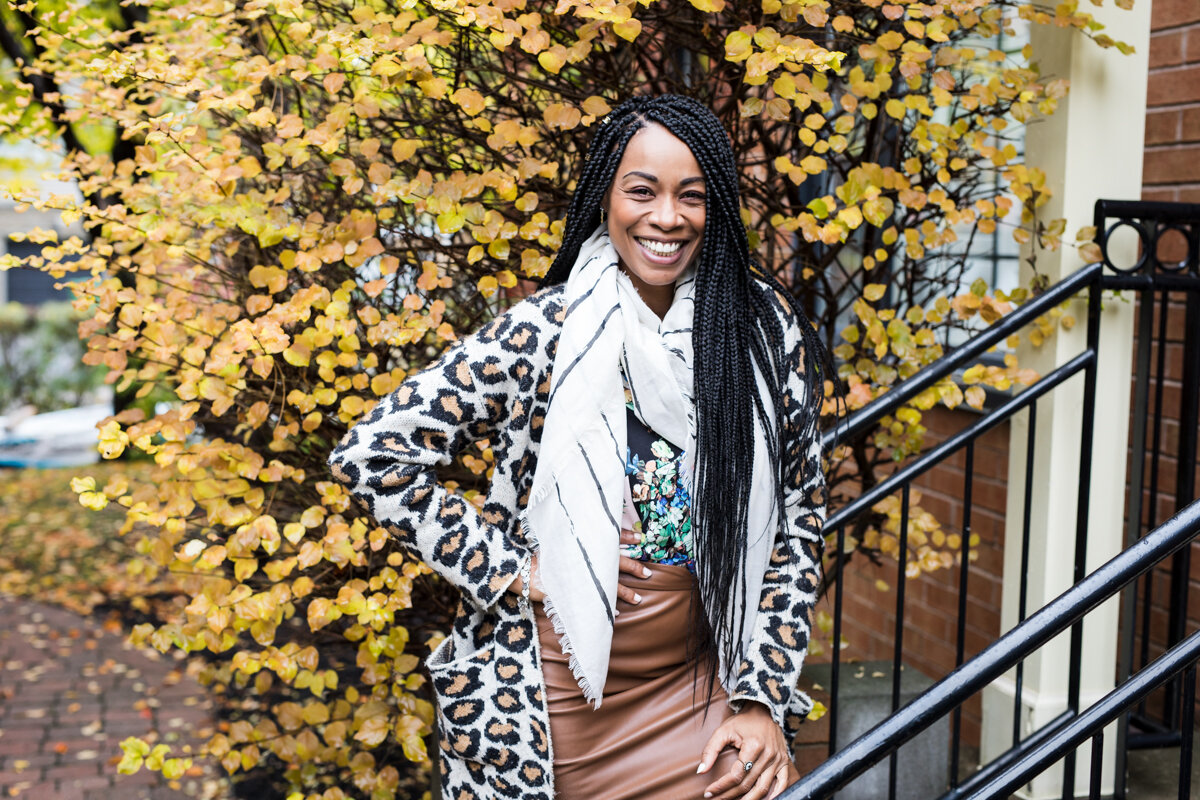
profile-projects

In order to gain perspective of that identity we so direly want to assert and cling to, we need time to accumulate so that we can ‘look back,’ in a sense and meaning make. I think we, as humans, do this because claiming an identity allows us to connect with others. The more we know who we are, the easier it is to create a sense of community and purpose. “I don’t know if I feel solidified as a person. I’m still discovering who I am – who Sade is. I don’t know yet who that is who I want her to be. I know I want her to be caring and compassionate, successful and someone my family is proud of. I want to be a wife and mother and business owner, but these are all general goals. I’m still fleshing out Sade. I don’t know where I’ll end up and what will happen in my life, but whatever happens and whatever I do, I just want to be happy.” I think the struggle Sade is experiencing is one of transition. This moment she is in is one of profound consciousness. Everything is surfacing and although she feels her reflection is blurred and she feels the tension of not fully knowing, it is not because she is a half-formed being, but rather because she does know, she is simply anxious to live her out in all her glory.

The Road She Traveled

Written by Alecs Kakon

Photos by Jen Fellegi

There are so many things that set each and every one of us apart. The way we think, what we believe in, how we feel, and so on. These are all distinct markers of subjectivity. Set within a larger operating system, we design our own internal hierarchy of values, informing our decisions and life choices. For those whose structures match the majority, a linear path is paved. However, for those with countercultural ideals, for those whose values float just beyond the epicentre, that undeviating path can sometimes feel caging. At once believed to be rebellious in nature, straying from prevailing norms and societal conventions is now understood as less reactive, as most of us are simply being not always responding. Hopefully this means that the margins are slowly closing in and we will one day do away with this perceived centre. However, for now, those who choose less traditional lives, suffice to say that the path is hers for the paving. There are parts of me that prescribed to more mainstream ways of being, and so certain milestones bolstered the sequence of my stride, but then there are parts of my way of seeing the world that kept me on a long search for a sense of belonging— forced to seek comfort in alienation—until I finally found a community that resonated with me. That was when I was able to own my role, find people who reflected me in some way, and immerse myself in a life that aligned with who I am. For those on the off-beaten track, the world is ours for the making; how to make sense of it all is where the meaning lies, right? Looking back at the mosaic of Mona’s past, we discussed what it means to lead a non-traditional lifestyle and forge professional success, and the importance of autonomy.

profile-projects

Born and raised in Lac-Saint-Jean, Mona was only 19 when she met her first husband and moved to Montreal. “Alma is a very small town and it just wasn’t aligned with me,” Mona explains. “You could open a small store or restaurant, but more than that just wouldn’t succeed in Alma. I knew Montreal had a lot more opportunities and I needed that kind of playground.” After a few years of working alongside her husband, the marriage dissolved, two kids in tow. “I needed a bigger challenge and I wanted more out of my life. But, when we got divorced, my life changed. I was 26 and a single mom. I had to earn a real living.” Mona opened a few tennis boutiques using the inheritance her father had left her and began to immerse herself in the business world as she continued residing in Montreal. Placing emphasis on the importance of creating a net worth, Mona knew what it took to succeed. The maverick in her family, Mona’s antidote to a traditional life in Alma was manifested in prioritizing English for her children, creating ample business opportunities and providing an environment that would motivate her to keep striving. At 35, she remarried, and had a third child. “When I met my second husband, he taught me so much about managing my finances and he encouraged me a lot,” Mona explains. “He motivated me to succeed, but ultimately, after about 7 years, we had fallen out of love and parted ways. I have a hard time living in partnership. I like to be in charge of my life, organize my own home and all that. I love living along, I think it motivates me more than being in a couple. It’s a different lifestyle, but it’s who I am.” Recognizing that for her, there was no balance between intimacy and independence in a relationship, she became more in tune with that fact that she “is a woman who cannot be held back. My impulse is to keep moving forward, keep progressing, keep making plans for the future that I choose.”

With acute introspection, Mona recognized a duality that lived within her. Feeling deeply in touch with her artistic side, Mona expressed her creativity through a variety of means, most of which would result in favourable professional outcomes. “I worked for a company where I was a line representative selling fabrics. I loved this job because I had opportunities to work outside of Montreal,” Mona says. “I also went on to buy, renovate and flip homes for a few years.” Undergirding her artistic side, Mona’s drive for professional success allowed her to curate a space that would grow a profit, simultaneously plunging further into her dualistic personality. “I had to earn a living, so I would buy a home, but I would never get too attached to it. I saw where I could expand or ameliorate and then when the time was right, I would sell. At the time, it was just me and my youngest daughter, so she grew up in that kind of world. By the time she was not even 14, she would walk into an open house and look around and nod to the allure or potential a place held.” Living in a double reality where she at once sought a good life for her children as well as a good life for herself, Mona committed to a more nomadic lifestyle, so as to afford opportunity to her children while still maintaining her need to constantly move forward.

In an eloquent meditation on the importance of self-governance, Mona remembers losing her mother at 35 years old. “I learned that you can’t depend on anyone, you have to be autonomous in this world,” she explains. Yearning for freedom, Mona’s impervious approach to the conventions of parenting placed her in a culture of her own. “I taught my kids to be independent. I didn’t want them to be too needy. My youngest was maybe 20 when I decided to move to the Laurentians. I was certain she could take care of herself, because when I said I was ready to move, she put my house on the market and sold it for me. That’s when I knew she would be fine on her own.” Raising all of her kids with the same philosophy, even as a grandmother, Mona has the same attitude. “I am not a traditional mother and I’m not a traditional grandmother. I worked a lot when I was younger and now I’m retired and I am invigorated to settle into my more creative side again. I have a big vision of life and I love to do things for myself; I make meaning as I go and now, in this phase of my life, I can be a bit more of a dreamer.”

profile-projects

Mona extolls her children’s happiness and independence as a sign of a job well done, and although she can’t say for sure what lies ahead, she continues to look forward with delight for the unknown. Conscious of the choices she’s made, Mona acknowledges that hers was not a straight line with clear benchmarks delineating her success, but sustaining her family, making a living and marching to the beat of her own drum marks a life she can stand by.

Showing Up as Herself

Written by Alecs Kakon

Photos by Jen Fellegi

It wasn’t a moment. It was a presence. It was an absence. It was a question that was calling, and it was hers to answer. We all inhabit this world and we are just trying to figure out what our role is within it. We look back to make sense, we look forward to find hope, and wading here in the present moment, is this space in between. What we make of that space, that is life. We can choose to exist and merely survive, or we can delve deeper, cutting away at the layers and layers that have been put upon us, so that we can discover our true self, the person with whom we identify, the being we choose to be and become, so that every experience we have can be lived to its fullest. Esoteric? Perhaps in theory, but in quotidian application, I think we are all playing some version of this same game. Some of us have a clearer path, fewer obstructions, while some of us have a rocky road ahead and need to dig deep to locate that perseverance and resilience. Either way, the choice isn’t whether we play or not, the real choice is how we show up. It didn’t take more than one conversation with Martine for me to come away with a whole heap of thoughtful insight. In our talk, we touched on what choice really means, how privilege plays a role, and how living in radical truth of who Martine is, is the only way she could ever find happiness and freedom.

profile-projects

At the age of 51, Martine has lived many lives. Her first life in Trois-Rivières was coloured a disquiet family life, replete with ugly divorce and a challenging separated family life. Her saving grace, the banding together of her and her young siblings who forged a solid bond that would hold them together despite the trying times. “I was 8 years old when they got divorced and it was bad. But what came after was even worse. It was many years of them not being able to be in the same room together. My siblings made a real difference in how we coped with everything, because it really impacted us,” Martine explains. “But, today, as grandparents, they found their way. I’ve seen true compassion from my mother and her ability to forgive and that is what I try to focus on. Now we can all finally be together.” Jumping ahead a few decades, when Martine started a family of her own, it was a promise she made to herself that she would never repeat their pattern. “When the mother of my child and I broke things off, we didn’t get along that well, but now, we make a great team. We have a disjointed family, but we really make it work.” A promise Martine made good on, as she expresses that her ex-partner is currently one of her most trusted allies, as is their beloved and beautiful daughter.
profile-projects

It was around the age of 9 that Martine remembers the questions first popping up. “I’ve tried to figure out where and when the switching started and I really don’t know. I guess it was always buried deep inside of me. When I was younger, I would switch to being a woman for a few days and then switch back,” Martine recalls. “I remember thinking that if I had been born a woman, I’d be ok with that. It was something that I dealt with on the inside and in secret. Plus, in the 80s, in a small town like the one I was growing up in, we didn’t have the awareness nor the acceptance that we have today in 2020 (and now living in the metropolitan city I decided to call home in 1999, is of course, an advantage). Back then, gender/gender expression was immediately connected to sexual orientation. We know better now, even if (much) more work needs to be done for a better recognition of trans and non-binary persons, and of LGBTQQIP2SAA+ people in general!'' When Martine was around 43 and the questions started popping up again, this time in a stronger way, there was shock, but there was also a welcoming. “Questions like ‘what is this feeling, what will I do, am I non-binary, am I in-between or androgynous,’ and then imagining myself 2 years from now and 4 or 6 years from now, and I just kept seeing the whole transition happening. I had to be honest with myself. It was a gradual unpacking and with every step I took, I knew I wanted to take more steps.” With an ongoing transition that dates back to around 43, Martine is about a year and a half into a very active social transition (the stuff we see on the outside) and has identified that although “there are an endless number of trans identities, mine is very female, very feminine. I was told more times than I can remember that I have a strong feminine side—don't we all have both masculine and feminine sides in varying degrees anyway?—and, it is as if, at some point in (semi)-recent years, there was a growing and growing urge to express that feminine side of me on the outside.  I have the feeling that I’ve lived many lives inside this one main one. I’m 51 now and I feel 15 I feel like my life is far from being over, it’s really only beginning. So much of my life awaits me. I can be myself and get to know that self all over again. It’s a whole new life and it’s all very exciting.”

Identifying the space in-between as that crucial time Martine spent exploring all of the possibilities, the only true option was to be herself. “I was born a man, but my inside is definitely female. I don’t want to erase my past that’s why I didn’t change my name completely. I added an “e” to Martin because I am one, I am a continuation of the life I had,” Martine explains. Known as the “dead name” in the trans community, Martine clarified that she didn’t feel that she wanted to erase her past life, but she acknowledges the spectrum of gender experiences in the LGBTQIA+ community and each one should be treated as an individual one, each one unique. “I know some people lived in hiding their whole life and had to repress this beautiful person that lived inside of them and so when they finally transition, they want to erase the past, but my past is not a reminder of a painful time. I am not at war with Martin, but it was never a choice to keep going as I was before. This life is the only one I could possibly live right now. I used to have this weird remote feeling that something was missing in my life. I didn’t suffer as a male, but there was a lingering feeling of something missing. But, I am so happy now. There was no choice here, I couldn’t keep going as I was before.” That’s where the true choice comes into play. “I tried to fight it, suppress it, repress it, cancel it,” she laughs. “But it kept coming back stronger each time. There was really only one question: embrace it or suppress it. Those were my only choices and I didn’t want to keep repressing my true self.” Acknowledging that not all experiences are marked with the same level of support and understanding, Martine remarks that hers has been a journey of great privilege.

profile-projects

The term “privilege” holds a lot of weight in today’s world. Such a powerful 9-letter word that’s being thrown around and with good reason. To be privileged (or hold privilege) speaks to your experience of the world. Yes, this can be cut from the cloth of many identity factors like the colour of your skin, the gender you prescribe to, the class you come from, and so on. But I think it is only with access to one’s inner world, thoughts, memories, experience of the world around them that one can truly determine whether a life has been one of privilege. To layer yet another significance to the term, I would also say, although we can create an objective grid of privileged versus non-privileged (à la Crenshaw), there is the subjective experience of feeling privileged. Martine is a great example of a woman who crosses intersectional lines that would place her in the realm of the marginalized, underrepresented, and oppressed. Although she recognizes that she has certain challenges she faces as a transwoman, certain struggles that are stacked against her, she also notes that hers has been a positive and uplifting experience, especially compared to some of the stories she’s heard from her trans community. Martine beams with reserved glee when she states with gratefulness that her life is one of great privilege; the privilege of support, love and freedom to be her true self. “It is a privilege to choose to embrace your true self and to have so many allies around you so that you can live as you are. I am so free now and I know that is a privilege.”

profile-projects

Martine’s growth is marked by the support system she has in place. With so much still left to navigate, she is grateful that her most cherished relationships (those with her close family but also all the dear friends supporting her in the transitioning process) are there to uphold and celebrate the woman she has become. “There are still instances of dysphoria that I’m working through, like the word ‘dad’ for example, but we are all finding the balance together, something that fits for all of us and fulfills all of our needs.” With this go-with-the-flow mentality, Martine lives in the moment, revering each experience as an opportunity to be who she is, and relish in the excitement of it all. “It’s incredible really, I almost feel guilty for how happy I am!”

Poise and Humility

Written by Alecs Kakon

Photos by Jen Fellegi

What is the anatomy of confidence? Where does it come from? How is it cultivated? Can it be measured? I’ve noticed that external recognition is my barometer for confidence. With unmet acknowledgment comes the profound negation of my achievement and success, and therefore, little space to develop positive self-esteem. I’ve constructed my reality this way, and in a negative display of self-worth, my confidence has largely suffered. In an extraordinary game of reality manipulation, I’ve set self-limiting beliefs that I’ve held to be true, creating a boundary between my self and what’s possible. If I recognize the fallacy in those narratives, and take a moment to pause in front of the mirror—the literal one that exists in physical space and not the one in my mind—what would be reflected? Would I see myself or would I see the judgments of others? In order to cultivate the self-confidence of the person in the mirror, the truths I tell myself must be measured in my own beliefs, my core values which expound upon my sense of self-worth. Sitting down with Sumita, I learned that confidence for her has been a symbiotic process hinged on both academic and professional achievement. However it is not in placing the accent on external achievements that has reinforced her sense of self-confidence. Instead, Sumita measures her confidence with a sense of belonging, having her voice heard, and feeling love and support.

A child of Indian immigrants who settled in Montreal by way of Uganda, Sumita’s upbringing was very much informed by her cultural background. “Being the children of immigrants comes with its good and bad connotations,” Sumita explains. “We always knew that our parents’ lives were hard; we never forgot that moments of joy were fleeting.” Describing the hardships of rallying together to keep the household going, Sumita at once paints the picture of a traditional home whereby family is valued above all else. Paradoxically, the collective living style felt progressive, because although she always paid deference to her parents, she was also very much a contributing member whose voice was one-fourth of all decisions. “I did a lot of talking in my family, yet I always knew that my parents knew better. I also know that I wouldn’t be where I am today without my family.” In relationships that nurture reciprocal respect, Sumita’s identity was developed in a home that bolstered compassion and community, both values that would be the foundation to her growing self-confidence.

Reminiscing about her professional path, Sumita remembers wanting to pursue a career in journalism or palaeontology. The family group decision was that a career in finance would provide stability, and so, as the perfect dovetail of both her ability and interest, Sumita was bound for a steadfast career in the financial sector that would provide the security and prosperity she would need to be off on her own one day. Although Sumita did in fact build a thriving career, the wealth she has accumulated cannot be weighed in capital, instead it is the immeasurable and priceless self-worth that she has cultivated that balances her success: “Twenty years ago I thought I’d be behind the scenes. I had a small sense of self-worth and had diminished expectations. I always struggled with confidence, and so I never thought I’d be where I am now,”  Sumita explains. “I became a grown up in the professional world and so the confidence part just clicked. Today I stand in front of a board of directors and I speak with confidence and authority.” After nearly two decades in her field, Sumita has recently taken pause to think about whether her career will continue to fulfill her with the passion and sustenance to continue nourishing her self-edification. “I think I want a career change. I don’t know if it’ll be palaeontology, but I’m ready to explore other options.” The confidence her professional life has instilled has allowed her to follow her heart with the certainty that no matter what she puts her hand on, she will find her way.
Sumita’s romantic life never quite caught up to the drive and focus she had in her professional life. As a young adult, Sumita was bookish and family-oriented. She knew who the popular kids were and she knew she wasn’t one of them. As she entered her twenties, she started to believe that she would never have a husband or kids. “I knew I wasn’t being sought after. I wasn’t appealing to anyone. I also knew that I wasn’t going to go after anyone, it wasn’t in my DNA, so that was that,” she explains. When Sumita was 29, she met her first boyfriend, and now-husband. Describing the relationship as one of the more transformative moments in her life, Sumita went from feeling undesired to a newfound injection of self-worth. Sumita came into her confidence with a sense of synchronicity “All of a sudden I had value,” she explains. Today, in her forties, Sumita knows she has come a far way since her self-proclaimed “nerdy” days and projects a more positive image of herself.

profile-projects

Attributing some of her growing self-esteem to her family, Sumita explains that she always had a voice in her home, she was always heard, and she always had a sense of place. A harmonious blend of culture and a unique upbringing, Sumita accumulated achievements that were met with recognition and support. Building character through tests of strength coloured by moments of self-doubt, Sumita buoyed her confidence with a humility that reveals her depths. Her values are nestled in hard work and the love she gets from her family is absorbed in a way that augments her self-image. The truths she now tells herself expand her self-worth as they are hinged on her success; a success measured in happiness, peace, and perennial self-love.

Her Right to Choose

Written by Alecs Kakon

Photos by Jen Fellegi

Choices. The notion that we all have choices. A hard concept for me to wrangle. So here I am thinking about choices and whether we really do, in fact, have control over how we feel and think—some sort of governance over our behaviour and thoughts—or whether we are, by and large, products of our upbringing, our experiences, and of course, our biological makeup. I hear people talk about how they choose to be happy, choose to be positive, choose to see the good, and while all of that sounds lovely, I don’t know that I have that kind of control over my emotions. Sitting down with Carly, I learned that although our life experiences might point us in one direction, it is ultimately the way we choose to perceive the events we live, how we process them and choose to repurpose them that walks us down our path. Some stories define us, if we let them. That’s one resolute fact I have come to terms with. So I guess choice does have a vital role in the way we interact with the world. It might just be word play, but I always thought it was more perspective than choice that released moments of their power. Jury’s still out on that one.

profile-projects

Growing up in a home that had as much light as it did darkness, Carly described a childhood filled with creativity and adventure. Her mother fostered curiosity, and independence, and challenged her and her sisters to express their passions with an unwavering  pursuit for higher intellect. “If we were interested in something, my mom would encourage it through books and adventures,” Carly explained. “She challenged us to go deep with our curiosity so that we could eventually learn and do on our own.” With unconditional love and support, Carly became self-reliant early on in life and has grown up to be a successful lawyer, mom of two, and committed partner to her husband. So many poignantly impactful moments in her life, the overarching sense, in retrospect, is that there was much strength to be drawn from her upbringing.

The ominous side of the coin presented many instances of trauma, life finds balance that way, I guess. In the shape of illness and eventually the passing of her father, Carly learned how to deal with loss at the young age of 18. As the conversation went on, multiple episodes of sexual misconduct and workplace harassment were brought up. “It’s a blurry line because so much happened back then that was acceptable in those times,” she explains. “I was a ‘cool’ girl, and cool girls don’t make a scene if bad stuff happens. You just accept it and never do anything about it.” Never quite internalizing the traumas, Carly emphasized that she chose to move on rather than to attach pain to the events. It’s a curious superpower to be able to let the trace of trauma slide off so as to come out without a hitch, but the more we spoke, the more Carly explained that the anger and sadness were in fact there, but she has since chosen to shed the darkness. Meeting her husband, having children, and now, in light of the #MeToo movement, Carly’s positive outlook is hinged on significant moments that have transformed her and helped her use the source of the pain to create meaning and social change.

profile-projects

The blurry line between what was then considered “appropriate” behaviour is now under scrutiny; boundaries are being redefined and a new culture is being created. Protecting our bodies and understanding what feels comfortable versus what is criminal is still up for debate, but safeguarding our bodies against violence is a tool we are more mindful to impart as parents in today’s age. Once we can unpack everything that goes into gender politics, maybe then we can move toward dismantling the imbalance of sexual pleasure. Yes, I said pleasure. Recalling a moment in her summer camp days, Carly remembers a talk given by a doctor after an incident occurred between two young kids in her section: “It was something bad and non-consensual, and this doctor came in to explain it to us and he basically said that ‘girls need a reason and boys need a place’.” The message was that boys have sex for pleasure and do it whenever they possibly can, while girls have sex to feel accepted and loved; girls should protect their sex and not just hand it out. It’s hard for us today to think back at how that was a common sentiment and a normal way to teach kids about sex and pleasure. And for Carly, a woman who even at a young age prioritized her pleasure despite the social ramifications, this normal pill was even harder to swallow. The fact that girls are taught all of the negative aspects and potential dangers of sex is what perpetuates the power imbalance. “There is a reckoning, and after the reckoning, after the sexual violence and trauma has been dealt with, we need proper sex education so women can derive pleasure from sex.” Placing the accent on social injustice and sexual power imbalance, Carly’s insight into her bodily violations were understood as “the way things were”; choosing to move on, her body was absolved of the traces, but her mind continued to carry its weight as she fights the good fight and chooses to be a part of the change that will revolutionize the way women interact with sex and with their bodies.

It’s a state of mind really, to choose to embrace life. “I guess it could’ve gone either way when you go through so many bad things in your life. You can choose to embrace life or be terrified of it,” Carly says. “It could all be gone tomorrow, that invigorates me.” Taking the bad, allowing it to shift something inside of you, and then choosing to let it go… I don’t know that I’m capable. I know that I have chosen to forgive, I’ve chosen to let go of the anger, and I know I want to move on, but I don’t know that I have that kind of control over my body to simply choose happiness. For Carly it is about choice: this conscious decision to let the light brighten the darkness; to find meaning and project it. Genuine moments of happiness are not to be overlooked, and when you have all to be grateful for, it would be a sad to choose to live in the past. That’s how you can choose to look at it… perspective.  

Memories That Keep Giving

Written by Alecs Kakon

Photos by Jen Fellegi

In my life I’ve dealt with a good amount of pain and suffering, all of which stemmed from my inability to process the traumas I experienced as a child. Immediately internalizing (or better said, repressing) the pain, certain memories tortured my soul and infiltrated into every aspect of my life. It felt as though finding a way to move through the pain was an impossible feat. I would look at happy people and think, ‘hey, there’s a foreign concept.’ I’ve wondered why some people can use their past as a way to springboard into the present whereas others stay stuck in the past, unable to heal. What’s that all about? Is it the way we process our traumas, both cognitively and emotionally, that allows us to eventually move past them? Or, Is it our biological makeup that determines if we even have the adequate programming to be capable of overcoming a painful experience? We all have a story, we have all had hardships. It’s what rounds us out and gives us depth of character, but why can some people move forward while others turn in circles. Sitting down with Neilly, one thing became clear: experiencing loss and overcoming illness were not moments she would ever choose to stay stuck in. Instead, she showed me how her painful moments were an exercise of will; the will to choose the good, the will to move on, and the will to look back, but only with a smile on her face.

profile-projects

Neilly lost her father at the age of 15. She remembers him coming home to walk the dog, go off to play squash, and then getting a phone call from the hospital to inform her that her father had had a heart attack. By the time she arrived at the hospital, he was gone. “I cried loudly,” she describes. “Like someone had literally punched me in the stomach. I lost my breath and then everything went blank.” As a young girl who had the picture-perfect parents—happily in love and smitten for each other—Neilly had never imagined that all at once her life could be turned upside down; “My childhood stopped,” she says. Looking back on it today, 20-some-odd years later, she admits that she “still hasn’t fully processed the loss. I just remember thinking, ‘but I just saw him today,’ and then ‘I just saw him yesterday,’ and I kept looking backwards as more and more time passed… it felt weird.” Time plays a tricky role in death, but for Neilly, rather than reliving constant iterations of the loss, she has manipulated time to stand still in her memory. By looking back and remembering her father at a time when he was happy, she has been able to preserve his memory and save a space for him in her past that is coloured with light: “It was just way too early, and it took time to process, but I know it happened in the right way.”

By repurposing a horrible loss and transforming it into something meaningful, Neilly tapped into a powerful skill: she exercises her will to freeze time yet still find a way to move forward. Many years later, Neilly would have an emergency surgery that kept her in and out of the hospital for 5 weeks. “It’s weird though because I always felt like my dad’s stay here was temporary, and it was. And then, I always knew I would get really sick, and I did.” At 27, Neilly had started losing an exorbitant amount of weight. With a pain in her side followed by an appendix rupture, Neilly found out that she had a tumour on what was then thought to be located on her kidney. When she eventually went in for distal pancreatectomy to remove the tumour from her pancreas, Neilly finally realized just how serious her condition was. “It took me a while to regain my strength and truthfully I got a little depressed,” Neilly says. “It was lonely and I had so many procedures done. It was hard.” After a rough year of mending herself back to full health, Neilly can’t explain how it all happened, but today she can draw a straight line from health to happiness.

Having felt immense sadness in her lifetime, Neilly sometimes finds herself in a bad place: “I can make myself crazy with paranoia, like I’m waiting for the other shoe to drop. But I talk to myself and I remind myself that I’m happy.” With a pragmatic husband who balances her sensitive side, Neilly maintains a steady path as she has learned that her life is best lived one day at a time.

profile-projects

To have lived through hardship builds character and wisdom. It allows you to see the world from many perspectives and forces your heart to open to possibilities. You have to search for meaning where there might have been mere unfortunate circumstance and you have to find a way to take a horribly painful time and use it to serve as a reminder of all you have to be grateful for. Maybe it was because she allowed time to pass before the loss set in, or maybe it’s because she was born with a constitution built to handle whatever life throws her way. All I know is that those simple words “I still haven’t fully processed it” hold more power to me than she could’ve known. I still haven’t fully processed it... and as the memory wades there in the past, time creates a space for growth. We grow older, we grow wiser, and we grow more capable of drawing sense from things that make no sense.
The Gift of Joy

Written by Alecs Kakon

Photos by Jen Fellegi

I remember my first encounter with anxiety. A friend came to me in desperate need of support, someone to sit with her and tell her it would all be ok. I brushed it off and told my friend that it was no big deal, it was all in her head, and that it would pass. Cut to two years later, curled up in fetal position, in the darkness of my room, petrified that my breathing would suddenly stop for no apparent reason (lest the constant aching, of course). I had this irrational belief that the world was closing in on me. Little did I know, all those years back, how real it all felt; how it was the scariest feeling in the whole world compounded by the fact that I had no clue if the feeling would ever stop. The first throes of anxiety, when control is all you want yet not yours to have, was a hard pill to swallow. The truth is that my paralytic fear (of basically everything) was based on what most people logically know to be nothing. I understand anxiety now, and it’s a spectrum – there are highs and there are lulls, but one thing I know for certain, having dealt with it for a good portion of my life, is that even though the something is nothing and it’s all in your head, that something is the most real feeling, and if you haven’t ever had anxiety, then you’ll never really know how real it feels. It’s valid that people don’t get it, perhaps it takes experiencing it to truly know how debilitating it is. I spent what I call “the dark years” of my life quite isolated. I slowly removed every friend I had from my life, I stopped doing all of the things I loved to do, and I pretty much held up in my basement bedroom and slept days and nights away. My anxiety submerged me in depression and it felt like the longest year of my life. When I was finally ready to emerge, I had to start my life all over again. With the limited awareness we have about mental health, my friends were mad at me for dropping them and I was often made fun of for my ungrounded fears and how they manifested into strange behaviours. No one knew how to help me. The lack of understanding only worsened the gravity of my situation. What no one realized was that I wasn’t choosing to live in flux of a constant fit of phobias, stress, and depression, I was a prisoner in my body and I didn’t have the coping strategies to negotiate my way through. Without the proper vocabulary to understand and articulate what was happening to me, I suffered not only from my condition, but from social stigma as well. I was not me, Alecs, a person who has anxiety. I became my disease, I was Anxiety. Sitting down with Nancy, we fleshed through so much of what makes mental illness the blind spot of our socio-cultural world. We talked about mental health, cultural barriers, social limitations and the ongoing process that she integrated into her life that helps her live a life filled with more meaning than she ever imagined possible.
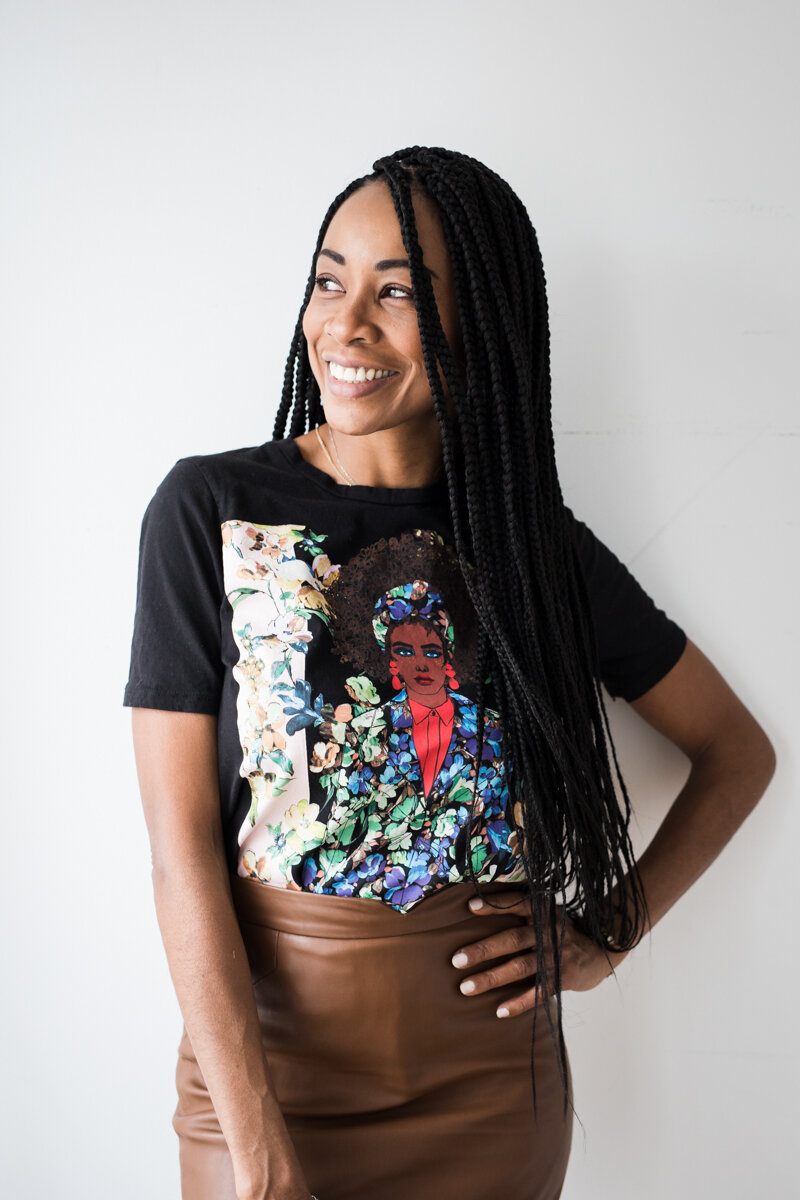
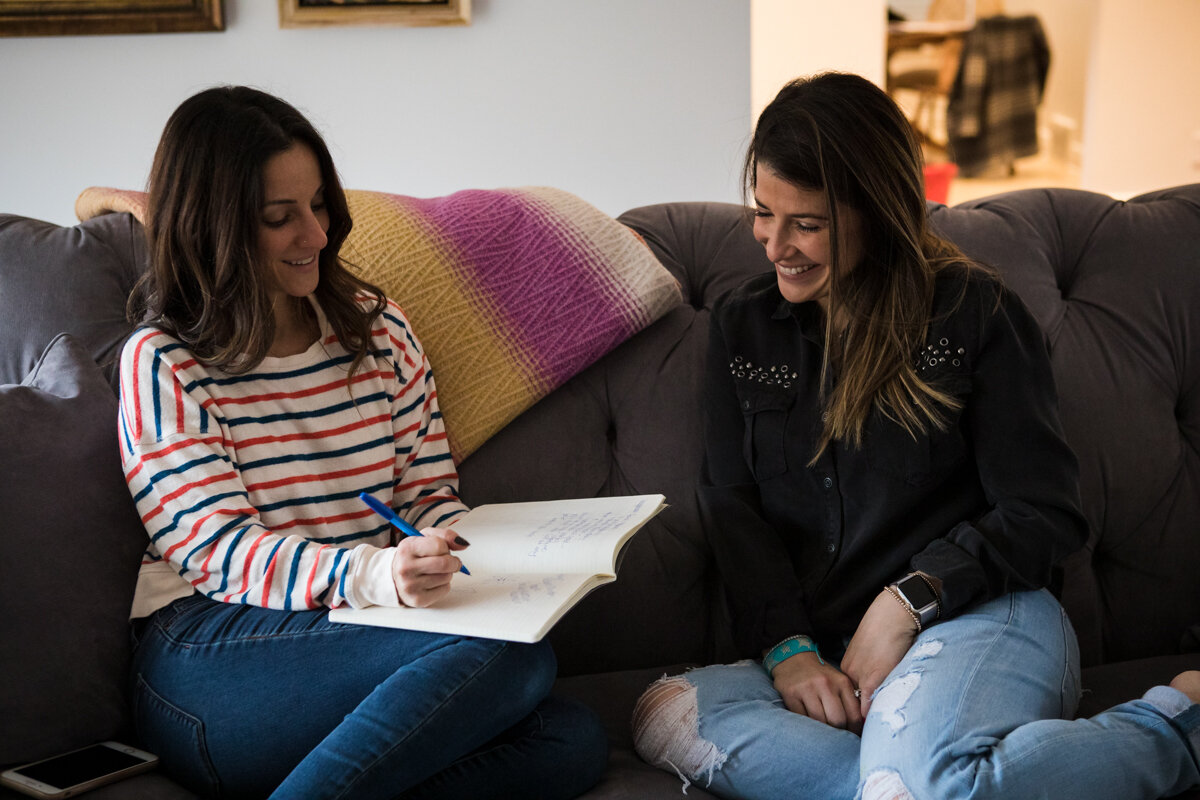
profile-projects

Nancy lives a colourful life complete with a large family, multiple cities to call home, and the joy and abundance of a religious upbringing. Whether she was living in North Carolina for undergrad, working in New York City as a financial analyst for a leading investment banking firm, or when she finally returned to her birth place of Montreal to attend McGill University Faculty of Law, Nancy always identified with her Ivorian identity, the place where she was raised, where her family resides, and the home she ultimately dreams of returning to one day. Nancy’s formative years were spent in the Ivory Coast, however, when her family immigrated to North America, Nancy’s life of bounty in Africa saw desolate beginnings. “It was hard when we left because we were wealthy in the Ivory Coast, we had chauffeurs and went on lavish vacations, and when we moved to the U.S., we had to start from the bottom.” The lesson that stuck with her at 14 years old was that materials are not ours to possess, but rather something of a more ephemeral nature. She realized her passion was participating in the economic and political development of both herself as a person as well as her country, and her voice would put that promise to task. The desire to contribute to the welfare of the people was instilled in her through her move in tandem with the living example she had in her grandmother: “She was incredible. She imparted in us a Protestant work ethic, and she always worked for as long as I knew her, which in her time was not the norm,” she explains. “She was never limited by what society said she should be or do. I want to be half the woman she was.” Nancy drew life lessons from her grandmother, and the teaching of joy is one that stands out most to her. “My grandmother taught me that joy is something you have and something you give.” To pay homage to her legacy, she started the not-for-profit Fondation Esengo (Lingala for joy), a space to honour her grandmother’s moral teachings. Teaching yoga and meditation to people who have instances of mental health, Nancy imparts unto her community the gift of movement and yoga therapy. “Yoga is a gift given to me. It helped me and continues to help me. A lot of people in my situation are alone and left to navigate their new world all by themselves. I had a plethora of tools at my disposal and a family that supported me. It’s my joy to give that back.”
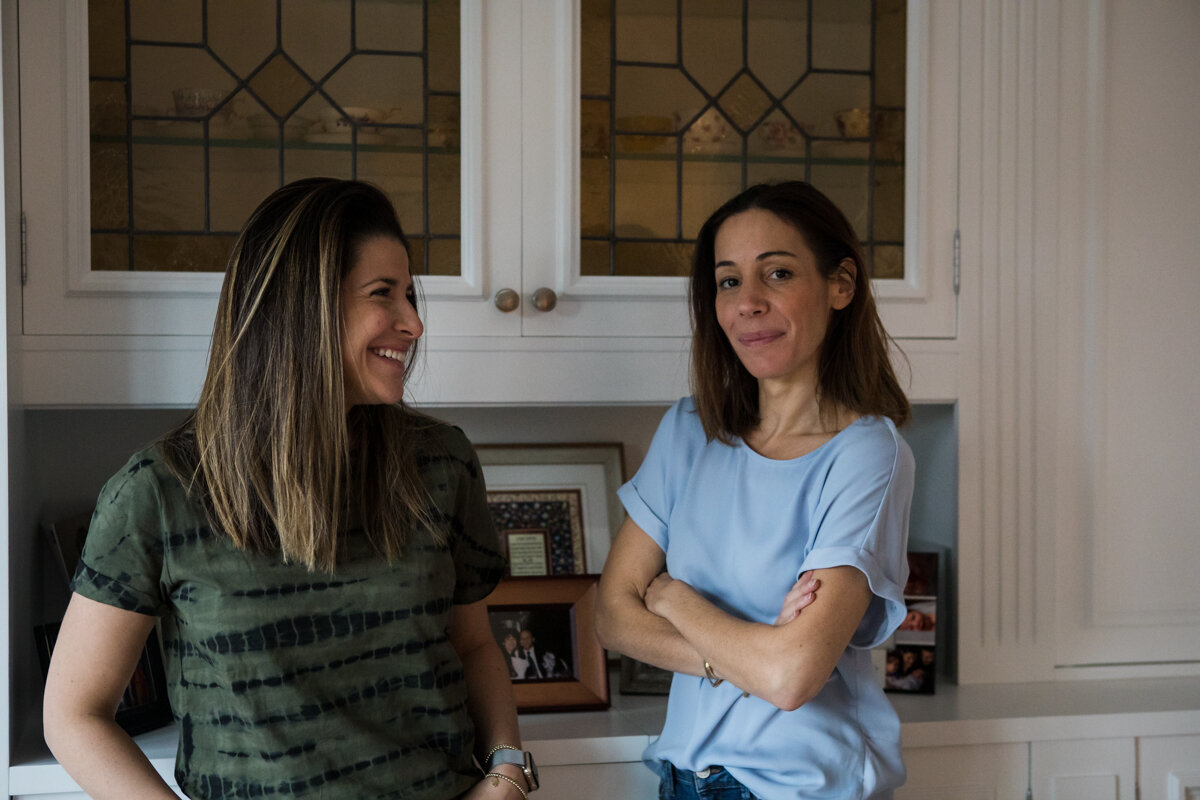
profile-projects

In her early 20s, Nancy was living in New York City when she felt that something was off in her body. She was concerned and went to see a doctor. After being put on the wrong medication for a misdiagnosis of ADHD, an episode was triggered and thus began Nancy’s first mental health episode. Falling down that proverbial rabbit hole was not an option for Nancy. She turned to her faith and found safety and stability from her devotion to her God. “It helped to take some of the uncertainty away, I don’t know if I would’ve fared so well if I didn’t have faith.” Alongside her resurgence, Nancy had turned to art therapy, the Brazilian tradition of Capoeira, and carving out intentional time to laugh and play. “It took me a year to stabilize. I left NYC and moved back to the Ivory Coast to be with my family,” Nancy explains. “But, mental illness is a taboo in Africa, especially in a Christian home. It is believed that because the joy of the Lord is in your strength, you cannot be depressed. So that was something I faced.” Although her family was where she sought solace, Nancy also knew that her hometown was fraught with cultural misunderstanding of what mental health truly is. In society, people who suffer from any sort of mental “disability” (for lack of better words), are no longer seen as individuals, but rather are seen as their diagnosis. “People lack education about it. But when I accepted that I had a mental health condition, I also accepted that it would never be my limitation,” Nancy declares. With an incredible support system set in place, Nancy moved past her crisis point and lives a meaningful life as a yoga instructor. Open to sharing her story, she shatters the stigma surrounding her own personal experience with mental health through education and awareness by showing her vulnerability, showing her humanity and hoping to change limiting attitudes toward such a pervasive issue. “I am amazed at all the things that my younger self has done, and I am grateful to myself because without everything I’ve been through, I wouldn’t be where I am.”

profile-projects

Deciding that for her, descending into the darkness is the path of least resistance, Nancy uses her education, her drive, and her empathic heart to create a safe space for those who suffer from mental health conditions in hopes of teaching them coping strategies that will guide them toward the light. “One day I will return to the Ivory Coast and I hope to practice law for the African Development Bank. Alongside that, I wish to teach women to become yoga teachers so that they might become entrepreneurs and find financial independence.” Choosing to never limit herself, she has removed the label “disabled” from her vocabulary, “I attach no label to my situation, because then it would be too difficult to transcend. I accept who I am, I am a person who is always in process. I live in the present, and I always believe that the best is yet to come.” A message that resonates deeply with my condition, as the anxiety I have is not something that can be overcome in my case, it is something I live with and negotiate daily. Rather than dissolve into a loop of unsubstantiated fear, Nancy has shown me that linear is not the only option, we can also choose now: the moment we live in, the breath we take and the beliefs we fight for.

Home is Where the Heart is

Written by Alecs Kakon

Photos by Jen Fellegi

I’ve always had trouble with the notion that biology binds us to certain people. It raised many questions throughout my own personal history of trauma and family relations. The issue extended past the idea of unconditional love and home being the place where safety resides. For me, I rejected these “facts”; I even rebelled against them. I sought new ways to define family and intervened the belief that blood-ties kept you safe while harm resided in the world at large. Incidentally, it’s only when I realized that I wasn’t stuck—that I could roam free—that I was finally able to settle into my true self and find the security and confidence that home presumably offers. I’ve met a lot of friends who have similar stories, but chatting with Alix gave me reflective insight into my past, while also providing a subtle tension that would allow for that final release.

profile-projects

Born in Montreal, by the age of 15, Alix would begin the first of a seven-legged travel until she would ultimately move back to Montreal and start her own family, but let’s not get ahead of ourselves. Through work opportunity, her family initially up and left for Leeds before setting up home in Connecticut just one year later. Finishing her senior year in a small wealthy bedroom town in Connecticut, Alix then left for Boston to start university. Not connecting to school, friends, or family, Alix spent most of her time isolated as her family home gave rise to her insecurities, which led to teenage angst, or what her parents would soon label as “angry.” Rather than provide her with much needed therapy and support, “I was pigeonholed as the ‘angry’ child,’ and so I spent a lot of time biding for attention and looking for love.” Up until the age of 19, Alix self-describes as a sullen teenager, isolated, and “probably very depressed on some level.” Unbeknownst to her at the time, she could be different than what she was told she was, but “when you’re always told you’re one thing, it’s hard to be anything else, and I didn’t know how to change that.” Words that marked my youth as well. It takes a ton of self-reflection and a healthy dose of confidence to know that you can go out there and be anything, and anyone you choose to be.

After less than 3 years in Boston, Alix moved back to Montreal to complete her B. Com in Marketing at Concordia University. When I asked if it felt like she had returned back “home” so to speak, Alix unflinchingly responded a firm ‘yes.’ Reconnecting with old friends gave her a newfound sense of family. Cultivating strong friendships with a small group of girlfriends was the first step in softening and opening up to the possibility of “not being who I am because of what I’d gone through.” Alix was beginning to see that there were alternatives to creating her own definition of family, and with an open-ended seat at her friends’ families’ dinner table, she was slowly chipping away at the loneliness that had once taken the colour out of her life. However, it wasn’t until Alix would go on to meet her now-husband that she would fully open up to the idea of being completely vulnerable and truly at home. “Meeting my husband, committing to him, choosing him as my life partner, having a family with him… all of these moments were pivotal in my life and shifted my inner world,” Alix described. “He impacted me greatly.” After several years of dating and moving around from London to Toronto and back to Montreal again, Alix and her husband would marry and go on to have two children, creating a family together that would change the course of Alix’s life indubitably.

Giving birth to her first child injected Alix with a sense of confidence that only becoming a parent could’ve done given her past. Abandoning old stories and resentment she may have held onto about her own past, Alix moved into a new frame-of-mind as she looked back and realized that so much had been stacked against her, “it would’ve taken extraordinary strength and self-awareness to manage the emotions I had as a child and teenager.” She all but could push through her sadness and anger because rather than bolster her up, her surroundings etched her out. But now, with her rediscovered sense of self, Alix has been able to deal with the things that kept her down and has moved into a new place where her life would be set on her own terms; a life of fulfillment and positivity. “My life wasn’t pretty, and that made people uncomfortable, but rather than trying to make it pretty to ease those around me, I started taking care of me,” Alix explains. With much self-reflection, Alix focuses on the positive as she gives gratitude and checks in: “I always remind myself that I am happy.”  

Perhaps it’s the strength we gathered in becoming mothers that connects us, but listening to Alix’s tear-filled story shed a light on what becoming a mother did for my own constitution. I became confident in myself and rallied all of my strength to protect my children from potential (and unforeseen) dangers that lurk both inside and outside the family home. Striving at all times to foster a home built on stability, love, and mutual respect, we don’t take our roles as mothers as a biological right, but rather as a role that is earned. We’ve taken what could’ve broken us and transformed it into what has saved us. It’s empowering to know that our past does not define us, yet like a little stone kept in our pocket, it serves to remind us of all we’ve gone through and all we broke free from. Life could’ve gone a completely different way, “I am grateful for my life. Now I know to be true to myself, practice self-care, and be open and vulnerable.” Words to live by.